When was the last time you thought about how you breathe? Nose breathing — something so basic — can actually transform your health in ways you might not expect. It’s like having a built-in air purifier, humidifier, and stress-reliever, all rolled into one simple habit. The benefits are real, tangible, and backed by the way our bodies are designed.
Let’s dive into why nose breathing matters and how it connects to concepts like air filter replacement, humidifiers, and modern indoor air quality tools.
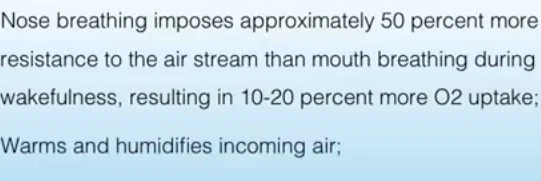
Humans are, by anatomical design, meant to breathe primarily through the nose. Mouth breathing — whether habitual, caused by nasal congestion, or simply an unconscious pattern developed over years — bypasses an extraordinarily sophisticated filtration and conditioning system that evolution spent millions of years perfecting. Research in respiratory physiology consistently shows that nasal breathing is associated with better oxygen uptake, improved lung volume utilization, and reduced systemic stress markers compared to habitual mouth breathing. For adults who have never given their breathing pattern a second thought, understanding exactly what the nose does — and what is lost when that function is bypassed — provides a compelling, practical case for retraining this basic, automatic behavior.
Table of Contents
Why Nose Breathing is Superior
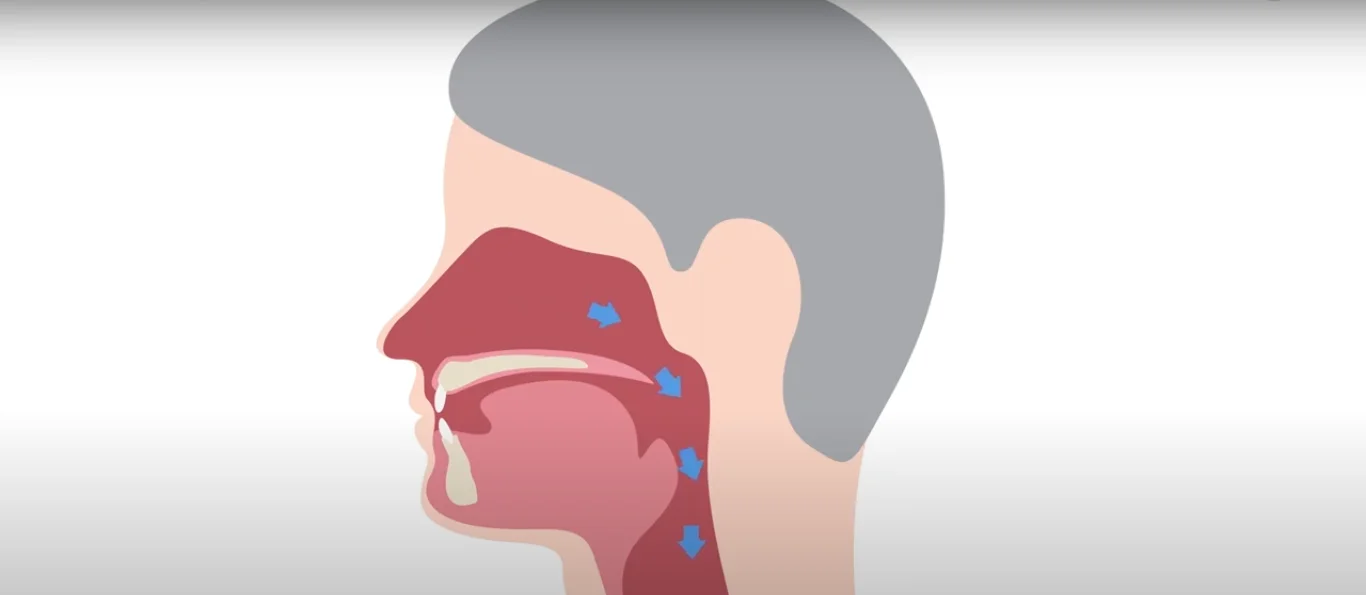
Think of your nose as a natural air purifier. Just like a high-quality air purifier for covid or a best air purifier for allergies, your nose filters dust, allergens, and pathogens before they reach your lungs.

Breathing through your mouth? That’s like having a dirty furnace filter or dirty AC filter — letting contaminated air flow straight through without any real protection.
Your nasal passages add humidity too, much like a humidifier for dry nose would. Without this, dry, irritating air reaches your lungs unaltered, similar to running a home HVAC system with no humidity control at all during a harsh winter.
If you’ve ever wondered about the difference between an air purifier and a humidifier, nose breathing is the biological version of both, working together in one elegant system.
The nasal filtration system operates through several distinct anatomical mechanisms working in sequence. Nasal hair (vibrissae) provides the first, coarsest filtration layer, trapping larger particles like dust and pollen. Behind this, the turbinates — three shelf-like bony structures lined with mucous membrane — dramatically increase the surface area of the nasal cavity, creating turbulent airflow that forces particles to contact the mucus-coated surfaces where they are trapped. This mucus layer contains immunoglobulin A (IgA), lysozyme, and other antimicrobial compounds that begin neutralizing pathogens before they ever reach the lower respiratory tract. Research published in the American Journal of Respiratory and Critical Care Medicine has documented that the nose filters out the vast majority of particles larger than 10 microns, including a significant proportion of allergens and airborne bacteria — filtration efficiency that no consumer air purifier or humidifier device can replicate at the point of entry into the body. This is precisely why chronic mouth breathers, including many with sleep-disordered breathing, tend to experience more frequent upper respiratory infections and allergic symptoms.
How Nose Breathing Reduces Stress
Ever wake up with a cortisol spike at 3am? Or feel a cortisol spike in the morning? Nose breathing naturally regulates your nervous system, similar to how a whole house humidifier stabilizes moisture in your home. It prevents that unwanted morning cortisol spike or cortisol spike at night.
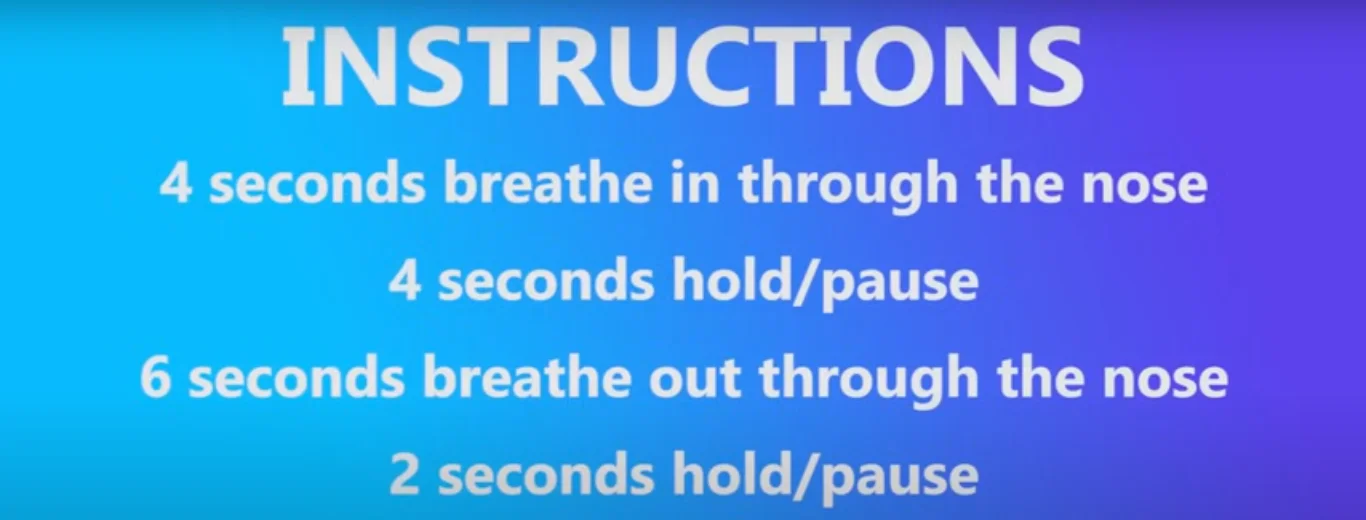
It’s nature’s way of providing calm without the need for fancy machines — though pairing it with a whole house humidifier system doesn’t hurt either.
The stress-modulating effect of nasal breathing operates through a fascinating anatomical connection: nasal airflow directly stimulates the olfactory bulb and adjacent brain regions, including areas involved in modulating the autonomic nervous system. Slow, controlled nasal breathing activates the parasympathetic (“rest and digest”) nervous system through vagal nerve stimulation, while mouth breathing — particularly rapid, shallow mouth breathing — tends to engage the sympathetic (“fight or flight”) system instead. Research on breathing pattern and heart rate variability (HRV), a well-established marker of nervous system balance and resilience to stress, consistently shows that slow nasal breathing (approximately 6 breaths per minute) produces significantly higher HRV than mouth breathing at the same rate. This connects directly to cortisol regulation: elevated sympathetic tone is associated with disrupted cortisol rhythms, including the abnormal nighttime cortisol spikes that disturb sleep in so many adults. Establishing consistent nasal breathing — including during sleep — is one of the simplest, cost-free interventions for supporting healthy cortisol rhythm and overall stress resilience.
Clean Air, Clean Body
Many of us invest in indoor air quality tools like an oxypure smart air purifier, DIY air purifier, or even a home HVAC works system — but did you know your nose breathing acts like your body’s own HEPA filter meaning device?
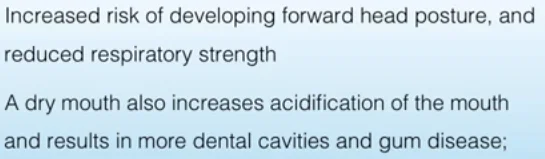
Like how a 2017 Ford Escape cabin air filter or a 2016 Ford Fusion cabin air filter protects your car’s system, your nose protects your respiratory system.
Your body is essentially your ultimate air purifier meaning — if you use it properly.
The comparison to a HEPA (High-Efficiency Particulate Air) filter is more apt than it might first appear. HEPA filters are rated to capture 99.97% of particles at 0.3 microns — the “most penetrating particle size” that is hardest to filter. While the nose does not achieve quite this level of efficiency at the smallest particle sizes, it performs remarkably well at the particle sizes most relevant to everyday health: pollen (10-100 microns), dust (2-100 microns), and many bacteria (1-10 microns) are captured with high efficiency by nasal filtration before ever reaching the delicate alveolar tissue of the lungs, where gas exchange occurs and where inflammation has the most serious consequences. Additionally, nasal breathing warms incoming air to near body temperature and humidifies it to near-saturation before it reaches the lungs — a conditioning process that protects the sensitive respiratory epithelium from the thermal and osmotic stress of cold, dry air. This is functionally equivalent to combining an air purifier and a humidifier into a single, continuously operating, zero-maintenance biological system.
What Happens When You Don’t Nose Breathe
If you default to mouth breathing, it’s similar to neglecting AC filter replacement or air conditioner filter replacement.
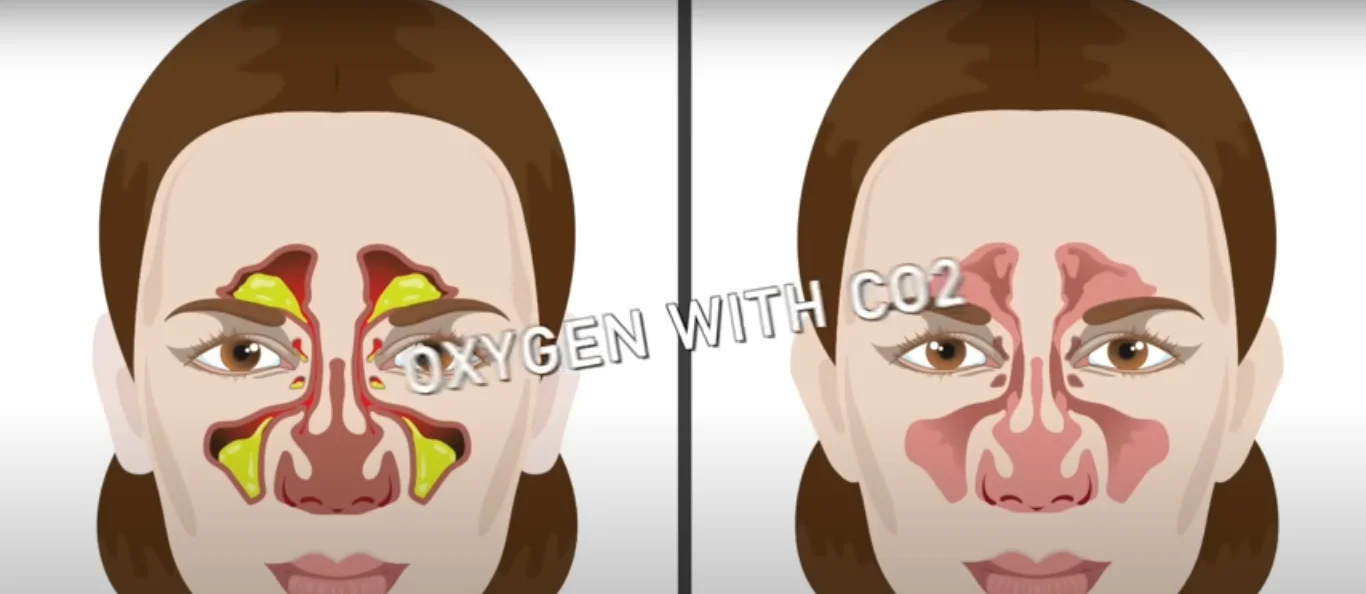
Over time, that stagnant, dry, and unfiltered air can lead to respiratory infections, chronic fatigue, poor sleep quality, and even dental issues like dry mouth and cavities.
It’s why experts suggest changing air filter routines in your HVAC system as often as you brush up on your own breathing habits.
Plus, dry air from mouth breathing can worsen allergies — making humidifier uses and air humidification devices all the more important for those who struggle with nasal congestion.
Chronic mouth breathing has a well-documented cascade of downstream consequences that extend well beyond simple dry mouth. Dentally, mouth breathing reduces saliva flow across the teeth and gums — saliva plays a critical role in neutralizing acid and controlling bacterial populations in the mouth, so its reduction significantly increases risk of cavities, gum disease, and bad breath. In children, chronic mouth breathing during development has been linked in orthodontic research to altered facial growth patterns, including a longer, narrower face and dental crowding, because the tongue (which should rest against the roof of the mouth during nasal breathing) instead rests low in the mouth, removing a key structural influence on palate development. In adults, mouth breathing during sleep is strongly associated with snoring and obstructive sleep apnea, since the unsupported soft tissues of the mouth and throat are more prone to collapse and vibration than when nasal breathing maintains proper airway tone. The unfiltered, unhumidified air reaching the lungs during mouth breathing also correlates with higher rates of asthma exacerbation and upper respiratory infections in research on habitual mouth breathers versus nasal breathers.
Nose Breathing and Technology: A Perfect Pair
While your nose is a great built-in system, modern tools help maintain the environment around you. Investing in a home HVAC works system ensures you’re not fighting against a dirty environment.
Pairing breathing techniques with gadgets like a Woosh Air, Aviche, or Air Innovations humidifier how-to-use device can make your indoor air cleaner and your nose breathing even more effective.
Systems rated by AHAM verified standards and classified under MERV meaning (Minimum Efficiency Reporting Value) ratings help maintain optimal air quality for your body’s natural filtration process to work best.
The relationship between environmental air quality tools and your body’s own respiratory defenses is genuinely complementary rather than redundant. Even the most efficient nasal filtration system has limits — extremely fine particulate matter (PM2.5), certain gaseous pollutants, and very high pollutant loads (such as during wildfire smoke events) can overwhelm nasal filtration capacity and reach the lower airways regardless of breathing technique. This is where properly maintained HVAC filtration, rated using the MERV scale (higher MERV ratings, generally 13 and above, capture progressively smaller particles including many bacteria and some viruses), provides genuine additional protection. AHAM (Association of Home Appliance Manufacturers) verification for portable air purifiers ensures the Clean Air Delivery Rate (CADR) claims on the package are independently validated, an important consideration given how variable actual performance can be among consumer air purifiers. The practical takeaway: maintaining good indoor air quality through properly rated and maintained filtration reduces the total pollutant burden your nose has to handle, allowing your body’s natural filtration system to work more effectively rather than being constantly overwhelmed.
Quick Tips for Healthier Breathing
- Replace HVAC filters regularly (check Fram parts search, Fram air filter guide, or Fram air filter finder for compatible options).
- Understand the difference between an air purifier and a humidifier — you often need both!
- Use a humidifier in winter to mimic the nose’s moisturizing function.
- Try a Pureflow Air system to clean indoor spaces.
- Never let your dirty air filter go unchecked — it’s like asking your nose to breathe through mud!
Beyond environmental air quality tools, retraining your own breathing pattern is entirely possible and produces measurable benefits within weeks. Practical steps include: consciously closing your mouth and breathing through your nose during quiet moments throughout the day (driving, watching TV, working at a desk) to build the habit; taping the mouth lightly during sleep (using purpose-made mouth tape, never regular tape) for those who habitually mouth-breathe overnight, a practice with a small but growing body of research supporting improved sleep quality and reduced snoring; addressing underlying nasal obstruction (allergies, deviated septum, chronic congestion) with a physician or ENT specialist, since structural or inflammatory blockages make nasal breathing physically difficult regardless of intention; and practicing simple nasal breathing exercises, such as slow diaphragmatic breathing through the nose for five minutes daily, to build both the habit and the respiratory muscle patterns that support it long-term.
Nose breathing is your natural sterile air generator, your organic ULPA-grade protector, your built-in climate control system — all working quietly every time you inhale. In a world obsessed with the newest air tech, remember: your body already knows how to protect you — you just have to let it do its job.
⚕️ Medical Disclaimer
The information provided on this page is for educational purposes only and is not intended as medical advice, diagnosis, or treatment. Always consult a qualified healthcare professional before making changes to your diet, starting any supplement, or if you have an existing medical condition. KeepFitQuote does not provide medical diagnoses or treatment recommendations. Read our full disclaimer.
Related Posts