
In today’s health-conscious world, many people are turning to herbs for healing instead of synthetic medications. From easing digestion and fighting inflammation to boosting immunity and managing stress, healing herbs have stood the test of time. Let’s explore what herbs are good for healing and how to use them in everyday life.
🌿 Ginger: A Digestive and Immune Superstar
Ginger (Zingiber officinale) is one of the most popular healing herbs. Known as ginger Indian or zingiber, it has powerful anti-inflammatory and digestive benefits.

Benefits of Ginger:
- Ginger for bloating, IBS, gas, and constipation
- Ginger for digestion and gastritis
- Ginger and high blood pressure support
- Ginger testosterone support and energy
- Ginger antibacterial and immune-boosting effects
Common Uses:
- Fresh, powdered, or in tea (1 tsp fresh ginger to ground = 1/4 tsp powder)
- Blends well with ginger lemongrass, orange ginger, or lime
For adults over 50, ginger’s reputation as a digestive aid is backed by real science. The active compounds in ginger, called gingerols and shogaols, help speed up stomach emptying and calm the muscles of the digestive tract, which is why ginger tea is often recommended for bloating, nausea, and indigestion that can become more common with age. Research published in reviews on osteoarthritis has also found that ginger extract can reduce joint pain and stiffness almost as effectively as some over-the-counter pain relievers, working by lowering inflammatory compounds called prostaglandins and cytokines.
A practical way to use ginger is steeping a teaspoon of freshly grated root in hot water for 10 minutes, up to two or three cups a day. If you prefer capsules, most studies use 1,000–1,500 mg of ginger extract daily. One important safety note for seniors: ginger has mild blood-thinning properties, so if you take warfarin, aspirin, or other anticoagulant medications, talk with your doctor before adding regular ginger supplements, since the combination could increase bleeding risk. Ginger is generally well tolerated, but very high doses can cause heartburn or mouth irritation in some people.
🌼 Chamomile: Gentle Care for Mind and Body
Chamomile tea is a soothing remedy known across the globe. From chamomile tea for weight loss to chamomile for inflammation, it’s one of the most versatile healing herbs.

Benefits of Chamomile:
- Helps with headaches, nausea, heartburn, stress, and insomnia
- Chamomile tea for stomach cramps, bloating, and diarrhea
- Safe for pregnancy and breastfeeding
Special Uses:
- Chamomile tea bag for pink eye or stye
- Chamomile in Farsi and Mandarin used for traditional remedies
Chamomile’s calming reputation has a biological basis. Its key compound, apigenin, binds to the same receptors in the brain that anti-anxiety medications target, helping to ease tension and promote restful sleep without the grogginess many prescription sedatives cause. A study published in the Journal of Advanced Nursing found that older adults who drank chamomile tea for two weeks reported significantly better sleep quality and fewer symptoms of depression than those who didn’t.
For everyday use, one cup of chamomile tea (steeped 5–10 minutes) in the evening is a gentle way to wind down before bed. Chamomile is also a popular natural remedy for mild digestive upset after meals. Because chamomile can enhance the effects of sedatives, sleep aids, and blood-thinning medications like warfarin, seniors taking these should check with their doctor or pharmacist before making chamomile tea a daily habit. People with allergies to ragweed, daisies, or marigolds should also use caution, as chamomile belongs to the same plant family and can trigger allergic reactions in sensitive individuals.
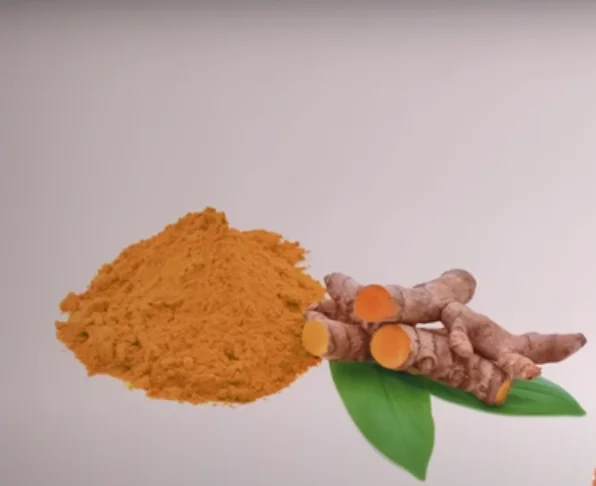
🌿 Turmeric: The Golden Healer
Turmeric for pain relief, inflammation, and immune support is widely known. Also called curcuma, turmeric is used in both food and supplements.
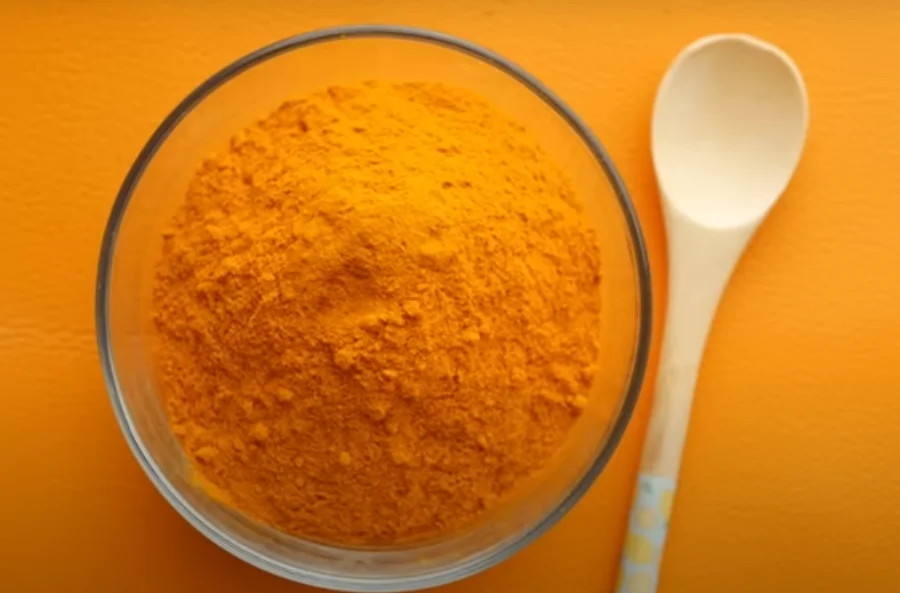
Benefits of Turmeric:
- Turmeric for diabetes, digestion, and high blood pressure
- Turmeric blood sugar and kidney health support
- Turmeric for depression and after surgery recovery
- Turmeric milk for weight loss and cough
FAQ:
- Para que sirve el turmeric curcumin? It supports joint health, heart health, and immune strength.
- Turmeric per day? Most studies recommend 500–2,000 mg of curcumin extract.
Turmeric’s healing power comes mainly from curcumin, a compound that blocks NF-kB, a molecule inside cells that switches on inflammation throughout the body. This is why curcumin has been studied for joint pain, and research in the Journal of Medicinal Food has shown that curcumin extracts can reduce arthritis symptoms about as well as some common pain medications, with fewer digestive side effects. For seniors managing aching knees, hips, or hands, this makes turmeric an appealing option to discuss with a healthcare provider.
One important practical tip: curcumin is poorly absorbed on its own. Pairing turmeric with black pepper (which contains piperine) can increase absorption significantly, which is why golden milk recipes traditionally include a pinch of black pepper. If using supplements, look for ones labeled with enhanced bioavailability. Because turmeric can thin the blood and lower blood sugar, anyone taking anticoagulants, diabetes medications, or preparing for surgery should talk to their doctor first. People with gallbladder disease should also avoid high-dose turmeric, since it stimulates bile production.
🌸 Lavender: Relaxation and Skin Soothing
Lavender isn’t just a beautiful flower—it’s a healing herb. Visit spots like Lavender Cottage, Mad Lavender Farm, or Spring Creek Lavender to experience its calming effect.

Benefits of Lavender:
- Stress, anxiety, and insomnia relief
- Skin healing for burns and sunburn (tea tree oil and lavender blend)
- Lavender for emotional support
Popular Types:
- Red lavender, green lavender, lilac lavender, deep lavender, lavender ice
Lavender’s calming scent isn’t just pleasant—it has measurable effects on the nervous system. Its main active compound, linalool, has been shown in studies published in journals like Phytomedicine to reduce activity in the amygdala, the brain’s stress center, helping to lower heart rate and ease anxiety within minutes of inhalation. For older adults dealing with restless nights or daily worry, a few drops of lavender essential oil in a diffuser before bed, or a sachet of dried lavender under the pillow, can be a simple way to support better sleep.
For skin use, lavender oil should always be diluted with a carrier oil such as coconut or jojoba oil before applying directly to skin, especially for minor burns, insect bites, or sunburn, since undiluted essential oils can cause irritation. A common dilution is about 2-3 drops of lavender oil per teaspoon of carrier oil. Seniors taking sedatives, sleep medications, or blood pressure drugs should use lavender cautiously, as it can amplify drowsiness or lower blood pressure further when combined with these medications. Always do a small patch test before widespread topical use.
🌿 Rosemary: The Brain and Heart Herb
Rosemary for remembrance is more than a saying—it’s scientifically backed. From boosting memory to cooking delicious meals, rosemary is multifunctional.
Benefits of Rosemary:
- Improves memory, mood, and focus
- Boiled rosemary for hair growth
- Culinary use: 1 tablespoon fresh = 1 tsp dried
Spiritual and Cultural Use:
- Rosemary in witchcraft and spells
- Rosemary by your garden gate for protection and good vibes
The link between rosemary and memory is more than folklore. Rosemary contains carnosic acid and rosmarinic acid, antioxidants that protect brain cells from oxidative stress, a process linked to age-related cognitive decline. Small studies have found that simply inhaling rosemary essential oil can improve recall and alertness in older adults, possibly by increasing certain brain chemicals involved in memory and concentration. This makes rosemary an easy, low-risk addition to a senior’s daily routine, whether through cooking, tea, or aromatherapy.
For hair health, a popular natural remedy involves simmering fresh rosemary sprigs in water, cooling the liquid, and using it as a final hair rinse a few times a week—a head-to-head clinical comparison found rosemary oil performed similarly to minoxidil for hair thickness over six months, with less scalp irritation. One caution for seniors: rosemary in concentrated supplement form may raise blood pressure slightly, so those with hypertension or who take blood pressure medication should stick to culinary amounts or consult their doctor before using rosemary supplements or essential oils internally.
🌾 Flaxseed: Small Seed, Big Benefits
Known as alsi in English, flaxseed or linseed meal is rich in fiber, omega-3, and plant compounds.
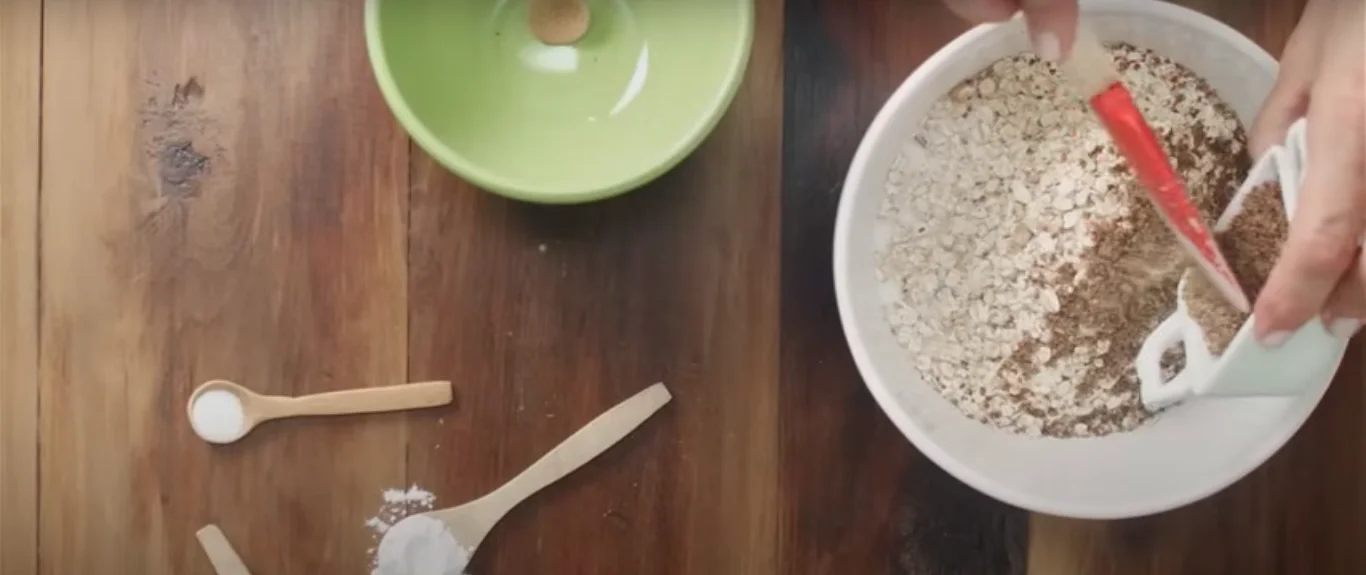
Benefits of Flaxseed:
- Flaxseed oil for hair growth and skin care
- Flaxseed for weight loss and cholesterol
- Flaxseed for constipation and acid reflux
Ways to Use:
- Boiled flax seeds or soaked flax seeds for smoothies
- Flaxseed in yogurt, water, or with chia seeds
Flaxseed is a quiet powerhouse for digestive and heart health, especially for older adults. It’s one of the richest plant sources of alpha-linolenic acid (ALA), a type of omega-3 fatty acid that supports heart health by helping to lower LDL cholesterol and reduce inflammation in blood vessels. Flaxseed also contains lignans, plant compounds with antioxidant properties, along with both soluble and insoluble fiber that bulk up stool and feed beneficial gut bacteria, which is why it’s a go-to remedy for constipation that becomes more common with age.
For best results, flaxseed should be ground rather than eaten whole, since whole seeds often pass through the digestive system undigested. A typical serving is 1–2 tablespoons of ground flaxseed daily, stirred into oatmeal, yogurt, or a smoothie, with plenty of water to help the fiber move through the digestive tract comfortably. Because flaxseed’s fiber can interfere with how the body absorbs oral medications, it’s best to take flaxseed at least two hours apart from prescription drugs. People with a history of bowel obstruction or who are starting fiber for the first time should increase the amount gradually to avoid bloating.
🌿 Echinacea: Immune Defense Herb
Often found as coneflower immune supplement, echinacea supports the immune system and reduces cold symptoms.

Benefits of Echinacea:
- Helps with allergies, respiratory infections, and wound healing
- Safe during pregnancy and breastfeeding
Other Uses:
- Found in echinacea pods and teas
- Works well with chamomile or tea tree oil
Echinacea has been studied for decades as a way to shorten the duration and severity of colds. A large review of clinical trials found that people who took echinacea at the first sign of a cold experienced symptoms for roughly one to two fewer days compared to those who didn’t, likely because echinacea stimulates white blood cell activity and helps the body respond more efficiently to viral infections. For seniors, whose immune response can slow with age, echinacea can be a useful addition during cold and flu season.
Echinacea is typically taken as a tea, tincture, or capsule at the onset of symptoms, often for no more than 7–10 days at a time, since long-term continuous use hasn’t been shown to add extra benefit and may reduce its effectiveness over time. Anyone with an autoimmune condition such as rheumatoid arthritis or lupus, or who takes immunosuppressant medications, should avoid echinacea unless cleared by a doctor, since it stimulates immune activity that could interfere with treatment. People allergic to ragweed, chrysanthemums, or daisies should also use caution, as echinacea is part of the same plant family and may trigger allergic reactions.
🌿 Tea Tree Oil: Natural Antibacterial Power
Tea tree oil, from the Australian tea tree, is a topical miracle. Known as tea tree oil named melaleuca, it has potent antimicrobial effects.
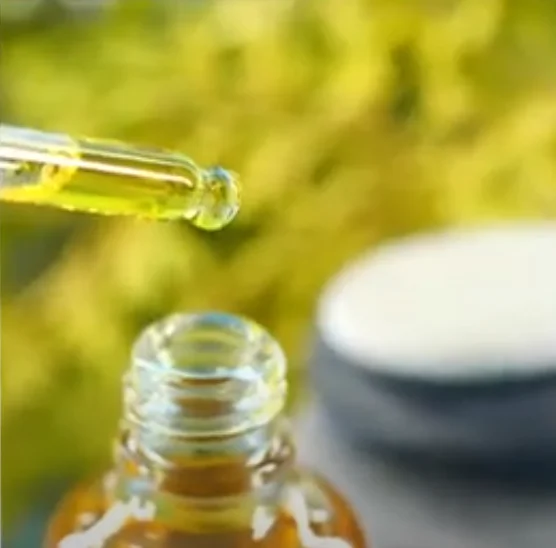
Uses of Tea Tree Oil:
- Treats fever blisters, mosquito bites, insect bites, and open wounds
- Effective for demodex blepharitis, angular cheilitis, and cold sores
- Can be used in belly button for internal absorption (diluted)
Tea tree oil’s antibacterial and antifungal strength comes largely from a compound called terpinen-4-ol, which disrupts the cell membranes of bacteria, fungi, and some viruses, making it a popular natural alternative for minor skin infections. Research has compared diluted tea tree oil favorably to benzoyl peroxide for treating mild acne, with fewer reports of dryness and irritation—a helpful option for seniors with sensitive, thinning skin.
Because tea tree oil is very concentrated, it should never be applied directly to the skin undiluted; a standard dilution is about 5% tea tree oil mixed into a carrier oil such as coconut or almond oil (roughly 1 drop of tea tree oil per 1/2 teaspoon of carrier oil). It’s important to know that tea tree oil is for external use only and can be toxic if swallowed, even in small amounts, so it should always be kept away from the mouth and stored safely. Seniors with diabetes or poor circulation, who may be more prone to skin infections and slower healing, should consult a healthcare provider before using tea tree oil on any wound, and should always do a patch test first to check for skin sensitivity.
Final Thoughts on Healing Herbs
So, what herbs are good for healing? From ginger and turmeric to chamomile and lavender, nature offers countless remedies. Incorporate them in your daily routine to support digestion, immunity, skin, mental clarity, and more.
Important Note: Always consult with a healthcare provider before starting any herbal remedies, especially if you’re pregnant, breastfeeding, or on medication.
For adults over 50, the biggest safety consideration with herbal remedies is polypharmacy—the use of multiple prescription medications at once. Herbs that seem gentle, like ginger, turmeric, chamomile, and flaxseed, can still interact with blood thinners, blood pressure medications, sedatives, and diabetes drugs in ways that matter. The good news is that most of these herbs have been used safely for generations when introduced one at a time, in modest amounts, and with a quick conversation with a doctor or pharmacist first. Starting slowly, watching for any new symptoms, and keeping a list of all herbs and supplements to share at medical appointments are simple habits that let you enjoy the benefits of healing herbs with confidence and peace of mind.
Frequently Asked Questions
What is the gentlest herb for seniors to try first for digestion?
Ginger tea is often the easiest starting point. It’s well-tolerated, widely available, and has a long history of safe use for nausea, bloating, and mild indigestion. Start with one cup a day and see how your body responds.
Can I take turmeric if I’m on blood thinners like warfarin?
Turmeric and curcumin supplements can enhance the blood-thinning effect of medications such as warfarin or aspirin, increasing bruising or bleeding risk. Talk to your doctor before adding turmeric supplements, though small amounts used in cooking are generally considered safe.
How much chamomile tea is safe to drink every day?
For most healthy adults, 1–3 cups of chamomile tea per day is considered safe. However, if you take sedatives, blood thinners, or have a ragweed allergy, check with your healthcare provider first.
Is it safe to use lavender or tea tree oil directly on the skin?
No—both should be diluted with a carrier oil like coconut or jojoba oil before topical use. Undiluted essential oils can irritate sensitive skin, which is more common in older adults. Always do a patch test first.
Should I tell my doctor about the herbs and supplements I take?
Yes, always. Even natural herbs can interact with prescription medications or affect conditions like high blood pressure, diabetes, or thyroid disorders. Keeping an updated list to share at appointments helps your healthcare team keep you safe.
How long can I safely take echinacea for immune support?
Most research supports short-term use of echinacea—about 7 to 10 days at the first sign of a cold. Continuous long-term use isn’t well studied and may reduce its effectiveness, so it’s best used as needed rather than daily.
⚕️ Medical Disclaimer
The information provided on this page is for educational purposes only and is not intended as medical advice, diagnosis, or treatment. Always consult a qualified healthcare professional before making changes to your diet, starting any supplement, or if you have an existing medical condition. KeepFitQuote does not provide medical diagnoses or treatment recommendations. Read our full disclaimer.
Related Posts





Pingback: Build Muscle After 60 with Cheap Everyday Foods
Pingback: Prostate Health in Your 60s Natural Ways to Support Comfort