Belly Fat & Weight Loss: The Power of High-Protein Diets and Managing Cortisol
When it comes to losing belly fat and achieving overall weight loss, diet and exercise play crucial roles. But there’s a lesser-known factor that might be hindering your progress: cortisol, the stress hormone. Understanding how to manage cortisol levels while following a high-protein diet can greatly enhance your ability to lose weight, especially belly fat, and build muscle. This article explores how a high-protein diet, along with natural ways to manage cortisol, can help you on your weight loss journey.
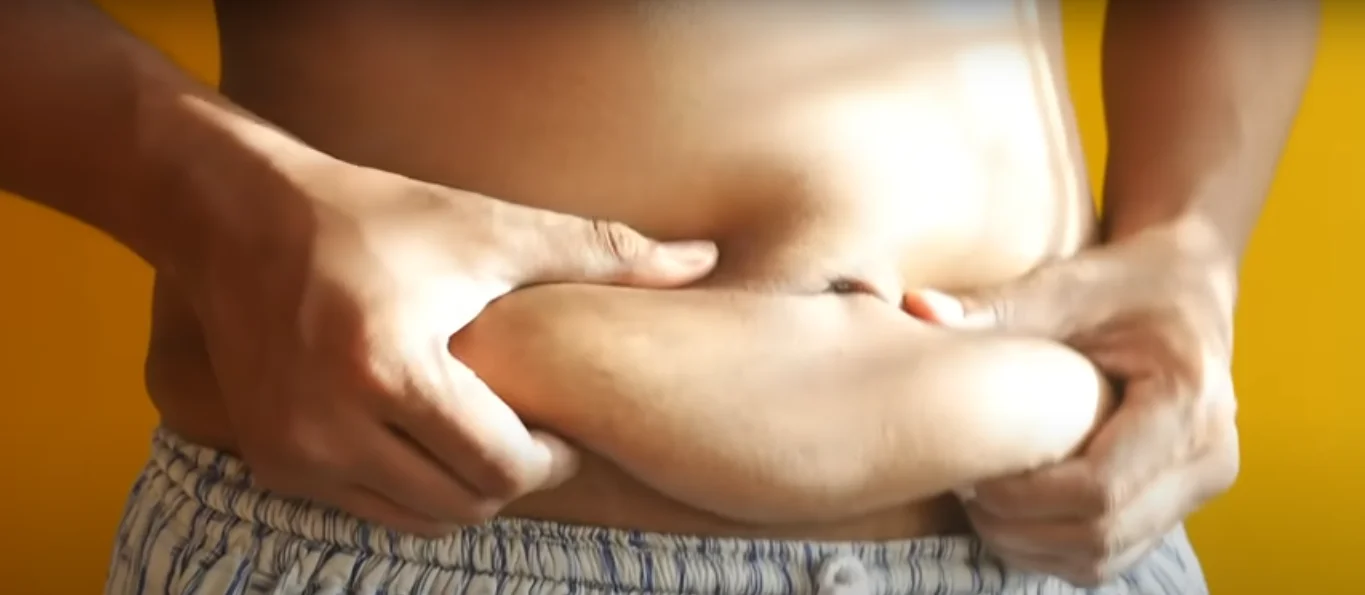
The Role of Protein in Weight Loss and Belly Fat Reduction
A high-protein diet for weight loss is often recommended for those looking to shed pounds. Protein-rich foods are essential not only for muscle building but also for weight loss because they help control hunger and increase metabolism. By incorporating protein-rich foods for weight loss, such as chicken, fish, eggs, legumes, and plant-based proteins, you can increase your calorie-burning potential.
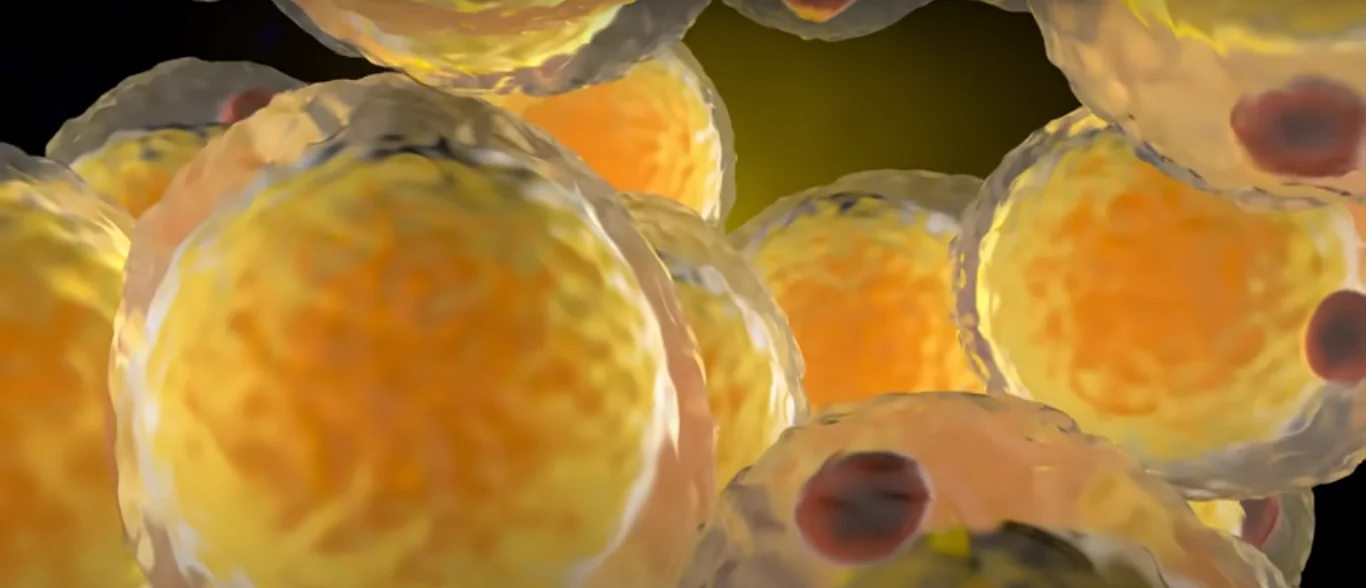
If you’re trying to lose belly fat, eating high protein for weight loss helps you retain lean muscle mass while burning fat. In fact, a high-protein low-calorie diet for weight loss can work wonders when combined with a healthy exercise regimen. A high-protein diet to gain weight is also beneficial for those who want to build muscle while shedding excess fat, making it an excellent choice for fat loss and muscle gain simultaneously.
The science behind protein’s fat-loss effects is well established. A 2015 meta-analysis in the American Journal of Clinical Nutrition reviewed 24 randomized controlled trials and found that higher protein intake—typically 25–30% of daily calories—significantly reduced body weight, fat mass, and waist circumference compared to lower-protein diets. The mechanism involves three pathways: increased thermogenesis (protein requires more energy to digest than carbohydrates or fat), stronger satiety signaling through appetite-regulating hormones like GLP-1 and peptide YY, and greater preservation of lean muscle mass during caloric restriction. For adults over 50, this muscle-preserving effect is especially vital, since age-related muscle loss (sarcopenia) naturally accelerates after midlife. Older adults are advised to aim for 1.0–1.2 grams of protein per kilogram of body weight daily—slightly higher than the general recommendation—to counteract age-related muscle decline while pursuing fat loss.
High-Protein Diet for Muscle Gain and Fat Loss
A high-protein diet for muscle gain and fat loss is ideal for those looking to improve their body composition. By focusing on foods rich in protein, you can support muscle growth while promoting fat loss. Protein and fiber for weight loss is a perfect combination since fiber keeps you fuller longer and protein helps to build lean muscle.
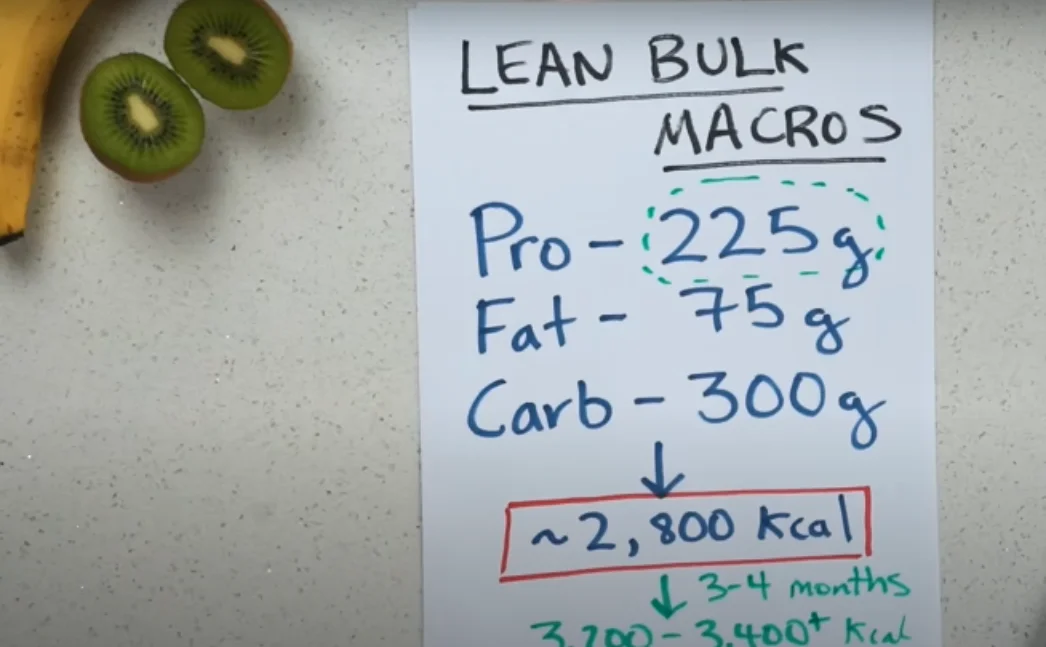
For example, a high-protein muscle-building meal plan might include meals like grilled chicken breast with quinoa or a spinach and tofu salad. This can support your goal of muscle growth, making it easier to burn calories and lose weight, especially around your midsection. The benefits of eating high-protein meals also extend to wound healing, as protein supports tissue repair and recovery.



If you are looking for structure, a 1000 calorie meal plan high protein can guide you through the day without compromising on your nutritional needs. However, if you need to scale up, a 1500 calorie meal plan high protein might be more suitable for muscle gain.
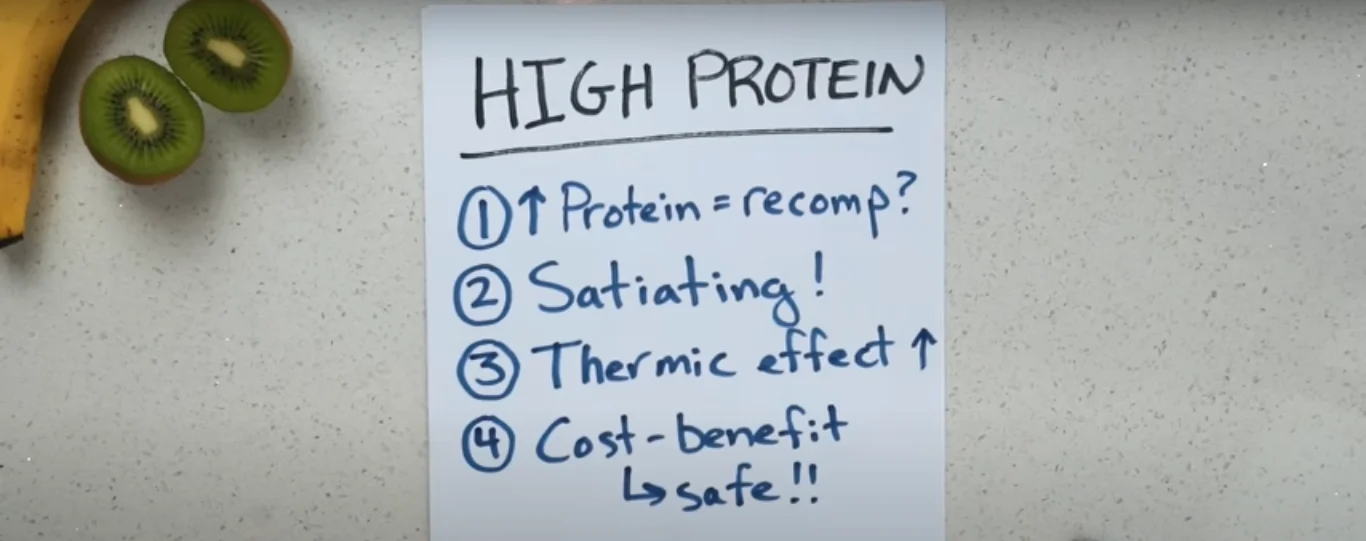
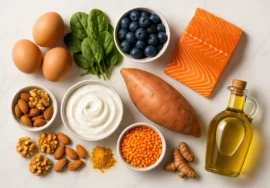
Building a practical high-protein meal plan doesn’t need to be complicated. Start with a protein source at every meal: two eggs or Greek yogurt (17–20g protein) at breakfast, canned tuna or grilled salmon with leafy greens at lunch, and chicken breast or black beans with roasted vegetables at dinner. Snacking on cottage cheese, edamame, or a small handful of almonds between meals adds additional protein while keeping calorie counts manageable. Research from the Journal of Nutrition confirms that spreading protein intake evenly across three to four meals—rather than concentrating most of it at dinner, as many Americans do—produces better muscle synthesis responses throughout the day. For older adults who may have reduced appetite, adding protein-rich ingredients to soups, smoothies, or oatmeal is a practical way to reach targets without forcing large portions.
Managing Cortisol for Better Results
Cortisol is often referred to as the “stress hormone” because its levels rise in response to stress. Elevated cortisol levels can contribute to fat accumulation, especially around the belly area, making it crucial to find ways to lower cortisol levels naturally.
There are several ways to reduce cortisol levels and promote fat loss:
- Exercise: Regular physical activity, especially aerobic exercises you can do at home, helps reduce cortisol levels. Cardio workouts such as jogging, cycling, or even aerobic exercise every day can lower cortisol and improve your overall well-being. Try doing cardio at home, like jumping jacks or running in place, to keep your stress levels in check.
- Breathing Techniques: Deep breathing exercises can help bring cortisol levels down quickly. Practicing mindful breathing or yoga can be effective in regulating stress hormones and achieving a sense of calm.
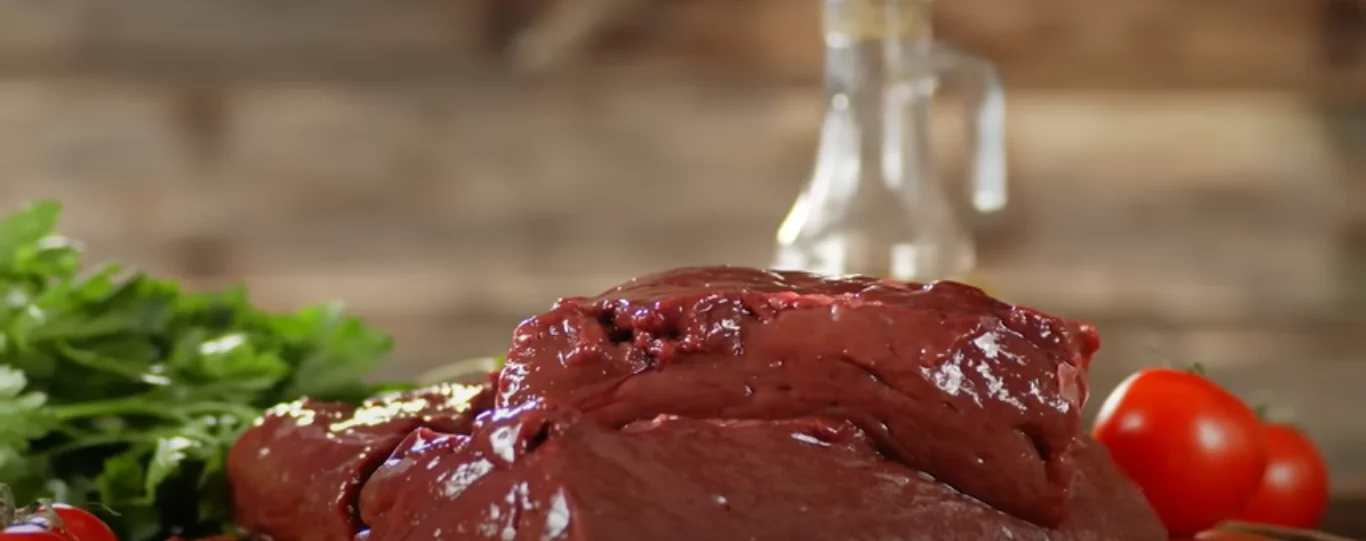
- Healthy Eating: A protein-rich diet for muscle building not only supports muscle gain but can also help control cortisol levels. Protein-rich foods for muscle growth, such as eggs, fish, and legumes, can stabilize blood sugar and reduce stress-induced cravings, which can further reduce stress hormones.

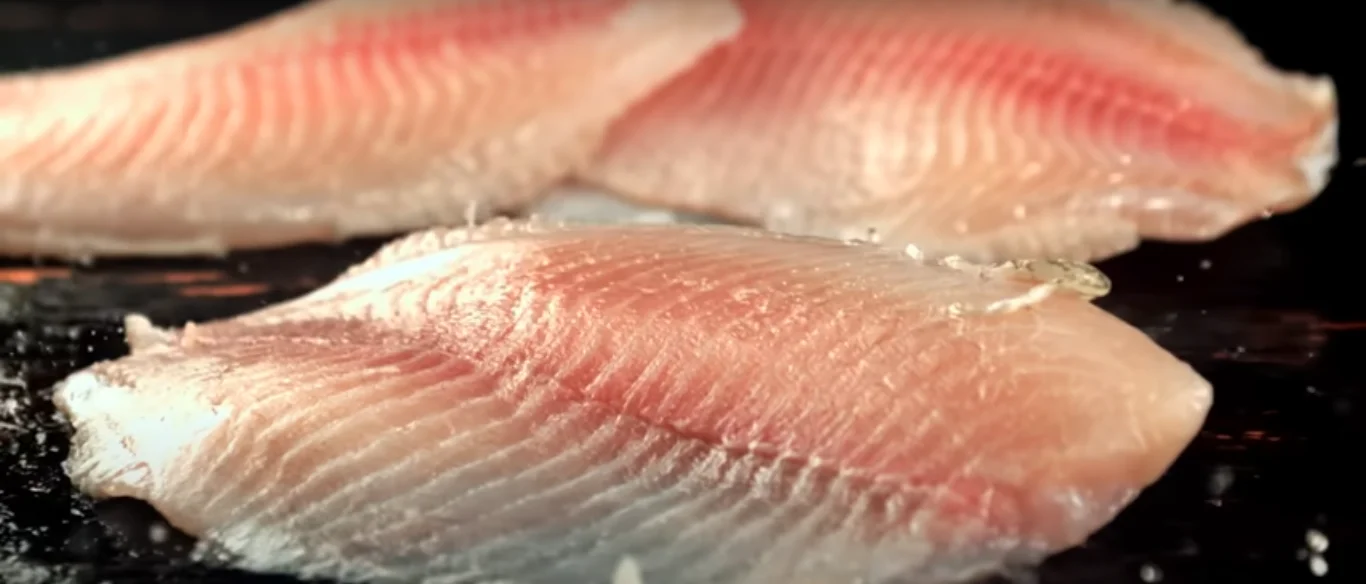
- Sleep: Sleep deprivation increases cortisol levels. Ensuring you get quality rest each night is essential for regulating cortisol and promoting fat loss.
- Relaxation: Engaging in activities like meditation, spending time in nature, or even taking a hot bath can help lower cortisol levels in the body and reduce stress.
Chronic elevated cortisol is particularly problematic for belly fat because visceral adipose tissue—the deep abdominal fat that surrounds internal organs—contains higher concentrations of cortisol receptors than subcutaneous fat. This means belly fat is more biologically “responsive” to cortisol signals, storing more fat when stress levels are chronically elevated. A 2014 study published in Psychoneuroendocrinology found that mindfulness-based stress reduction (MBSR) programs reduced cortisol levels by an average of 20% over eight weeks in adults with high perceived stress, with corresponding reductions in belly fat measures. For seniors, who may face unique stressors including health concerns, retirement transitions, or loss of loved ones, building a deliberate daily stress-management routine is as important for belly fat reduction as any dietary change. Even 10 minutes of diaphragmatic breathing or gentle tai chi in the morning can meaningfully lower morning cortisol peaks.
Best Cardio and Strength Training for Weight Loss
Cardio is often seen as a cornerstone of fat loss, and for good reason. It burns calories and helps you shed belly fat. Whether you prefer high-intensity cardio, like running or cycling, or gentler exercises, aerobic exercise you can do at home, such as dancing or jumping rope, can be effective in helping you lose weight and reduce belly fat.
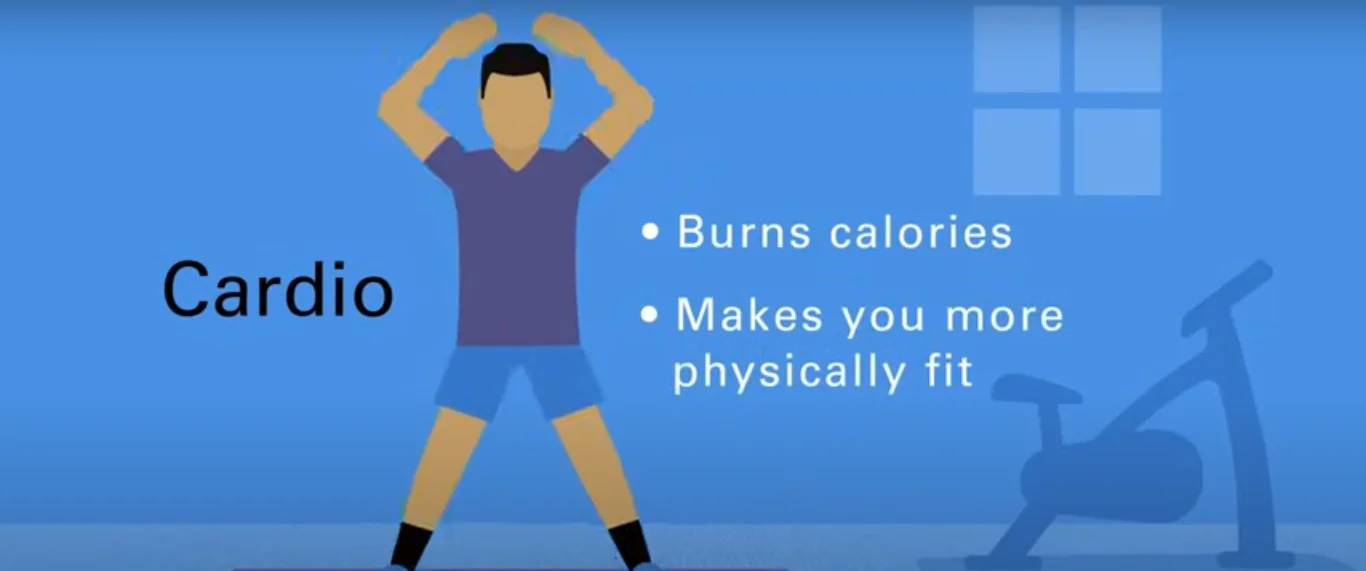
When combined with a high-protein diet, these workouts can give your body the nutrients and energy it needs to sustain muscle mass while burning fat. Consider doing cardio workouts you can do in your room if you’re looking for convenience.
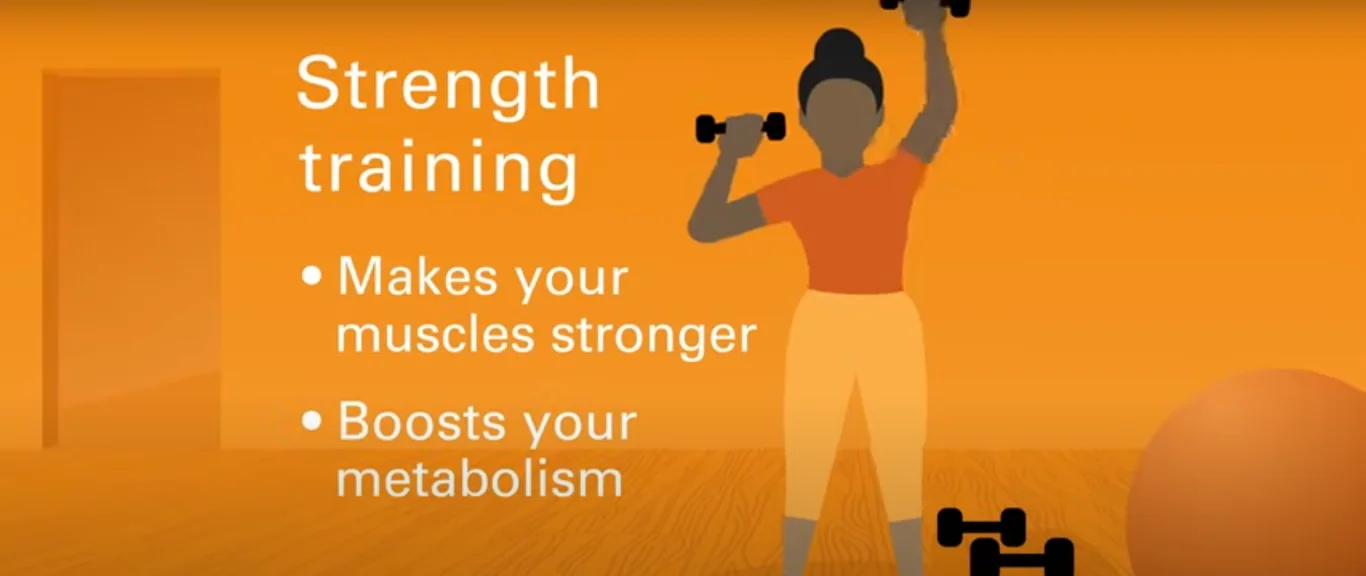
For optimal results, a combination of strength training and aerobic exercises works best. Strength training targets muscle growth, which in turn helps boost metabolism, while aerobic exercise focuses on calorie burning. A well-rounded routine will help you achieve a leaner body while managing cortisol levels.
For adults over 50, the combination of resistance training and moderate-intensity cardio is particularly powerful because it addresses two simultaneous priorities: building or preserving muscle (which naturally declines with age) and burning the visceral fat that accumulates around the abdomen in midlife. A 2019 study in the Journal of the American Geriatrics Society found that older adults who combined resistance training three days per week with aerobic exercise two days per week lost significantly more belly fat and maintained more lean muscle than those who did cardio alone. Joint-friendly options—water aerobics, chair exercises, resistance bands, recumbent cycling—make this combination accessible for those with arthritis or mobility limitations. Starting with two sessions per week of each type, with rest days in between, and gradually increasing to three is a practical and safe approach. Always warm up for 5–10 minutes and cool down thoroughly to protect joints and regulate post-exercise cortisol response.
Conclusion
Combining a high-protein diet with effective strategies to lower cortisol levels can help you achieve your weight loss goals, especially around stubborn areas like the belly. By eating foods rich in protein, such as lean meats, legumes, and tofu, and incorporating regular aerobic exercises at home, you can reduce stress and promote muscle growth while losing fat.
Additionally, managing stress levels and focusing on relaxation techniques will support the reduction of cortisol, ensuring that your body stays in a fat-burning, muscle-building state. Whether you’re working towards muscle gain, weight loss, or belly fat reduction, a combination of proper nutrition and exercise can help you get there, naturally and sustainably.
Progress tends to be gradual and non-linear, and that’s perfectly normal. Most adults see meaningful changes in body composition—measured by how clothes fit and how energy levels feel—within 8–12 weeks of consistent effort. Keeping a simple food and activity journal, even a rough one, helps identify patterns and keeps motivation strong during the inevitable plateaus. Celebrating small wins—climbing stairs more easily, sleeping better, managing stress with greater equanimity—reinforces the habits that produce lasting change.
Frequently Asked Questions
Q: Can adults over 60 safely follow a high-protein diet?
A: Yes, and research suggests they often benefit more from higher protein intake than younger adults. The key is choosing high-quality sources—lean poultry, fish, eggs, Greek yogurt, legumes—and spreading intake across meals. Adults with kidney disease should consult a physician before significantly increasing protein, as high intake can stress compromised kidneys.
Q: How much belly fat reduction can I expect in 3 months?
A: With consistent dietary changes and regular exercise, a realistic target is losing 1–2 pounds of total body weight per week, of which a meaningful proportion comes from visceral (belly) fat. Waist circumference often decreases by 1–3 inches over 12 weeks of combined diet and exercise intervention, though individual results vary significantly.
Q: Does cortisol make it impossible to lose belly fat?
A: Elevated cortisol makes belly fat loss harder, but not impossible. Addressing stress through sleep, movement, and relaxation practices alongside dietary changes creates conditions where the body can shift out of a fat-storing mode. Most people find that stress management and nutrition improvements compound each other’s benefits.
Q: What are the best high-protein foods for older adults who have trouble chewing?
A: Soft protein sources work well for those with dental issues: Greek yogurt, cottage cheese, scrambled eggs, canned fish (tuna, salmon, sardines), smooth nut butters, silken tofu, lentil soup, and protein-fortified smoothies. These can all be incorporated easily without requiring hard chewing.
Q: Is it safe for seniors to do strength training if they have arthritis?
A: Yes, with appropriate modifications. Low-impact resistance training—using light dumbbells, resistance bands, or bodyweight exercises in a seated position—is recommended by the Arthritis Foundation and can actually reduce joint pain over time by strengthening the muscles that support affected joints. Always start slowly and consult a physical therapist if you’re unsure where to begin.
⚕️ Medical Disclaimer
The information provided on this page is for educational purposes only and is not intended as medical advice, diagnosis, or treatment. Always consult a qualified healthcare professional before making changes to your diet, starting any supplement, or if you have an existing medical condition. KeepFitQuote does not provide medical diagnoses or treatment recommendations. Read our full disclaimer.
Related Posts