
High blood pressure, or hypertension, is a serious health condition that can lead to severe complications if left untreated. While medications are commonly prescribed, many people turn to natural herbs and remedies to support heart health and regulate blood pressure. Among these, soursop leaf, sea moss, and burdock root are popular choices, celebrated for their medicinal properties. Here’s a closer look at these herbs and their benefits.

Hypertension affects roughly half of American adults over 60, according to the Centers for Disease Control and Prevention, making it one of the most common chronic conditions among older adults. The good news is that lifestyle and dietary changes — including the thoughtful use of certain herbs — can play a meaningful supporting role alongside any treatment your doctor recommends. It’s important to understand that herbal remedies work best as a complement to, not a replacement for, prescribed blood pressure medication, regular monitoring, and a heart-healthy lifestyle. Before adding any new herb or supplement to your routine, especially if you take prescription medications, it’s wise to check with your doctor or pharmacist, since some herbs can interact with blood thinners, diuretics, or blood pressure drugs. With that foundation in mind, let’s look at how each of these herbs may support healthy blood pressure levels and how to use them safely.
Safety note: Herbs and supplements can interact with blood-pressure medicines; check with a clinician or pharmacist before using them.
Soursop Leaf and Blood Pressure
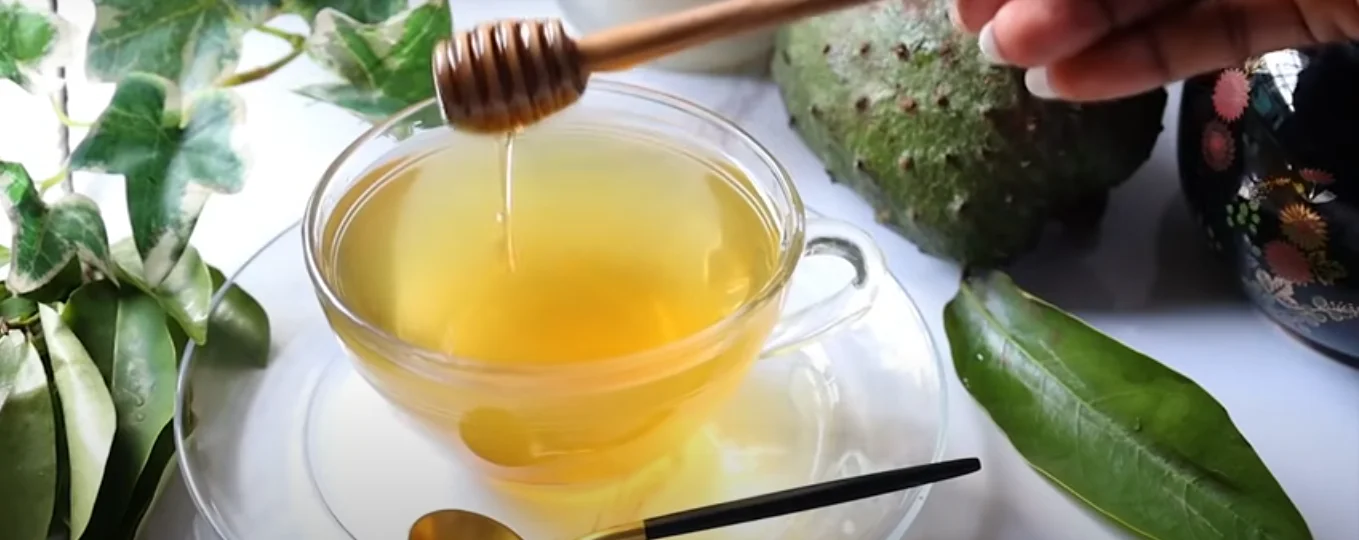
Soursop, also known as graviola, is a tropical fruit tree with leaves widely used in herbal medicine.
- Rich in Antioxidants: Soursop leaves are loaded with antioxidants that help reduce oxidative stress, a key factor in high blood pressure.
- Potential Benefits: Compounds in soursop leaves may help relax blood vessels, leading to improved circulation and lower blood pressure levels.
- How to Use: You can prepare a tea by boiling soursop leaves. Many users claim that regular consumption promotes better heart health and reduces hypertension.
Soursop leaf tea has long been used in traditional medicine across Central and South America, the Caribbean, and parts of Africa, where it’s often brewed as a calming evening drink. Some small studies on soursop extracts have found compounds that may act on the same pathways targeted by certain calcium channel blocker medications, which help blood vessels relax and widen. That said, research in humans remains limited, and most evidence comes from animal or laboratory studies. To prepare soursop tea, steep 2-3 dried leaves (or one fresh leaf, torn into pieces) in a cup of hot water for 10-15 minutes, then strain. Many people enjoy a cup in the evening as part of a wind-down routine. Because soursop can interact with blood pressure medications and may not be appropriate for people with certain heart rhythm conditions, it’s best to start with small amounts and discuss regular use with your doctor, particularly if you’re already taking antihypertensive drugs.
Sea Moss: A Nutrient Powerhouse
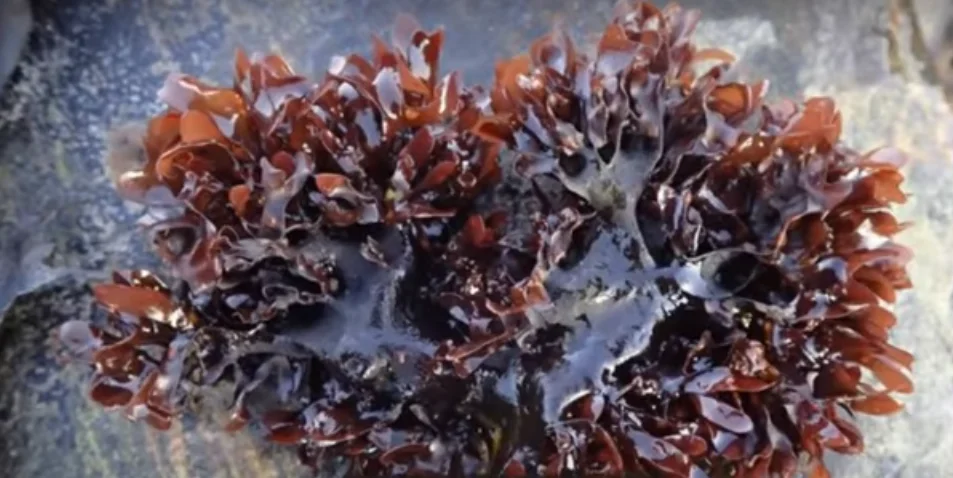
Sea moss, or Irish moss, has been a staple in natural medicine for centuries. It is now widely recognized for its versatility and impressive nutrient profile.
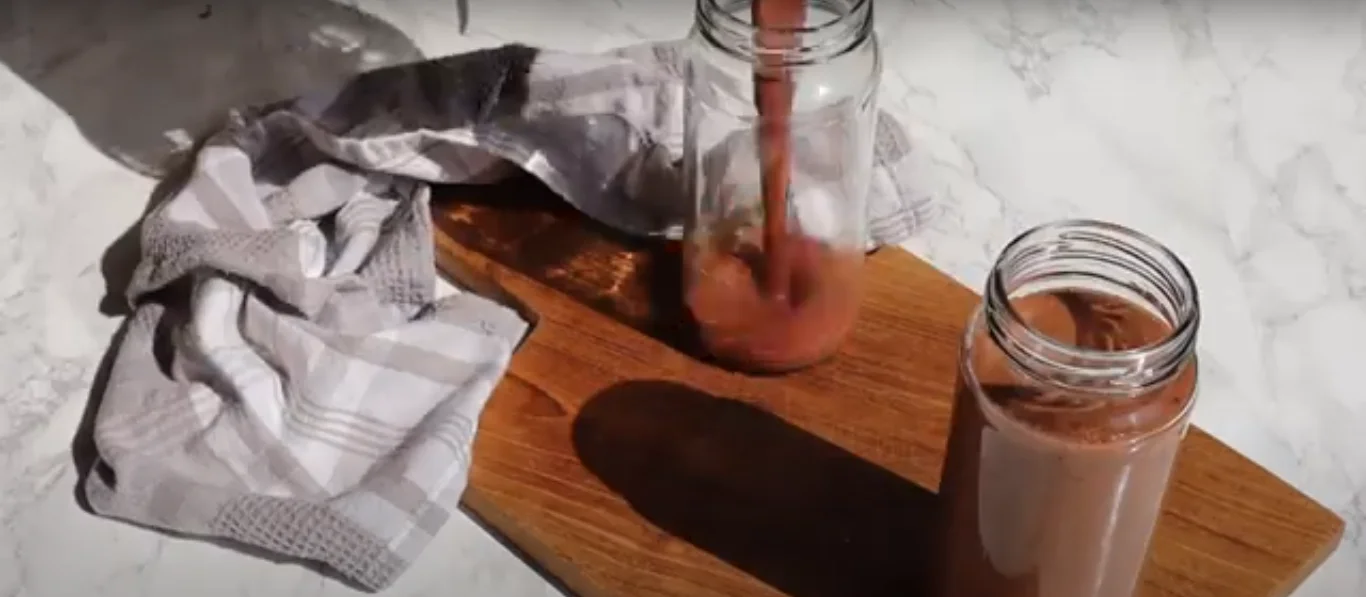
Sea moss is a type of red algae that grows along rocky Atlantic coastlines, and it has gained renewed popularity in recent years for its dense concentration of vitamins and minerals — including iodine, calcium, magnesium, and potassium. For older adults, this nutrient density can be especially valuable, since absorption of certain minerals tends to decline with age. The gel-like texture of sea moss, once soaked and blended, makes it easy to incorporate into smoothies, oatmeal, or soups without altering the flavor much. A typical serving is about 1-2 tablespoons of prepared sea moss gel per day. However, because sea moss is naturally high in iodine, people with thyroid conditions — whether overactive or underactive — should talk to their doctor before adding it regularly, since too much iodine can affect thyroid hormone levels in either direction.
- Nutritional Benefits: Sea moss contains potassium, a key mineral for lowering blood pressure by balancing sodium levels in the body.
- Dr. Sebi’s Sea Moss: Advocated by the late herbalist Dr. Sebi, sea moss is believed to support thyroid function, improve digestion, and strengthen immunity—all of which indirectly benefit heart health.
- Sea Moss for Blood Pressure: Research suggests that sea moss can help lower blood pressure by reducing inflammation and supporting cardiovascular function.
- Bladderwrack and Burdock Root Blend: Combining sea moss with bladderwrack and burdock root enhances its health benefits, offering a comprehensive approach to lowering blood pressure.
- How to Use: Incorporate Oweli Organic Sea Moss or Nature Earth Sea Moss into smoothies, or try supplements like Supplebears for convenience.
The potassium content in sea moss is particularly relevant for seniors, since the American Heart Association notes that most adults don’t get enough potassium in their daily diet, and adequate potassium intake helps the kidneys flush excess sodium through urine, which in turn helps relax blood vessel walls. A single tablespoon of prepared sea moss gel provides a modest but meaningful contribution toward the recommended daily potassium intake of around 3,400 mg for men and 2,600 mg for women. If you have kidney disease, however, you should be cautious with potassium-rich foods and supplements, since impaired kidneys may not be able to remove excess potassium efficiently — another reason to involve your doctor before making sea moss a daily habit.
Burdock Root for Cardiovascular Health
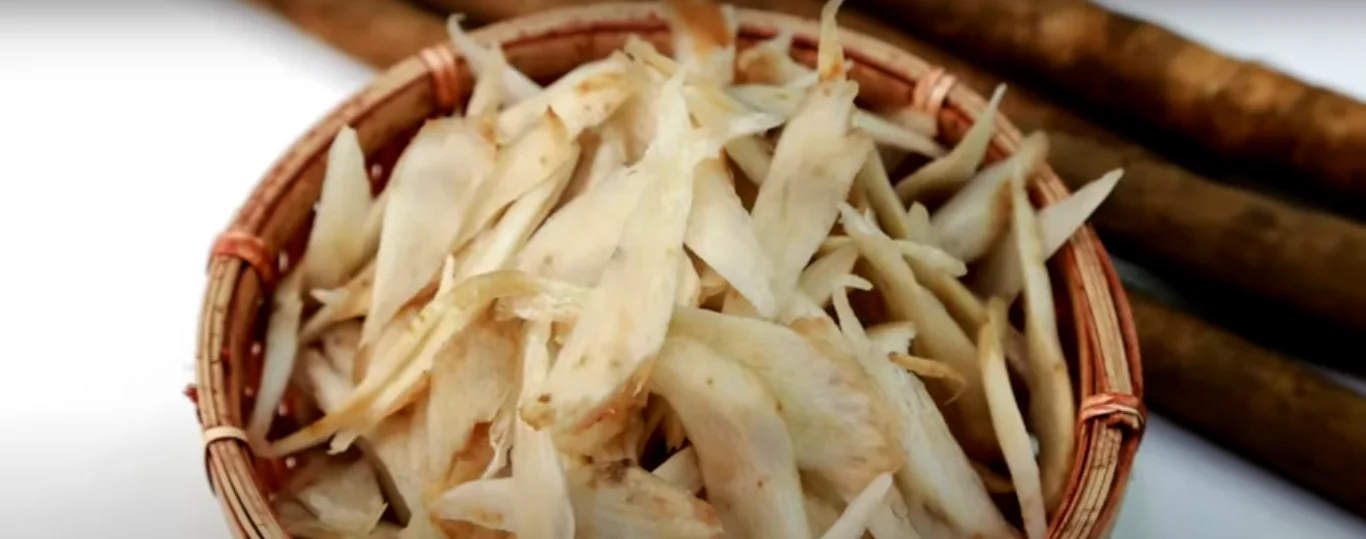
Burdock root is another potent herb known for its detoxifying and anti-inflammatory properties.
- Bladderwrack and Burdock Root Benefits: Together, these herbs improve circulation, reduce inflammation, and detoxify the blood, which helps regulate blood pressure.
- Key Nutrients: Burdock root is rich in magnesium and potassium, essential minerals for maintaining healthy blood pressure levels.
- How to Use: Burdock root can be consumed as tea or added to soups and stews. Many herbal blends also combine it with sea moss for added effectiveness.
Burdock root has a long history of use in traditional Chinese and European herbal medicine, where it’s often referred to as a “blood purifier” because of its mild diuretic and anti-inflammatory effects. Modern research has identified compounds in burdock root, including chlorogenic acid, which has been studied for its potential to support healthy blood vessel function and reduce markers of inflammation linked to cardiovascular disease. For older adults managing both blood pressure and joint discomfort, burdock’s anti-inflammatory properties may offer a dual benefit. To make burdock root tea, simmer 1-2 teaspoons of dried, chopped burdock root in a cup of water for about 10 minutes, then strain and enjoy. Because burdock root has mild diuretic effects, it’s a good idea to space it out from any prescribed diuretics to avoid compounding fluid loss, and to stay well-hydrated throughout the day.

Dandelion and Burdock
The combination of dandelion and burdock is another excellent remedy for high blood pressure. Dandelion acts as a natural diuretic, helping to reduce water retention and lower blood pressure, while burdock root detoxifies the body. You can enjoy this duo in teas or even in soft drinks like Dandelion and Burdock Barr.
Dandelion has been used as a natural diuretic for centuries, and unlike some prescription diuretics, it’s also a good source of potassium — which helps offset the potassium loss that often comes with increased urination. This makes the dandelion-and-burdock combination particularly interesting for blood pressure support, since reducing excess fluid volume in the bloodstream can directly ease pressure on artery walls. Dandelion leaf tea is the most common preparation: steep 1-2 teaspoons of dried dandelion leaf in hot water for 5-10 minutes. Dandelion root, roasted and brewed similarly to coffee, is another popular option and has become a favorite caffeine-free alternative for older adults looking to cut back on caffeine in the afternoon and evening. As with other diuretic herbs, anyone taking prescription water pills or lithium should check with their doctor first, since combining diuretic effects can lead to dehydration or electrolyte imbalances.

Other Herbs for Blood Pressure
- Aloe Vera and Sea Moss: This pairing offers dual benefits for hydration, digestion, and heart health.

- Purple Sea Moss: Known for its antioxidant content, purple sea moss is especially beneficial for reducing oxidative stress and supporting heart function.

- Bladderwrack Benefits for Weight Loss: Maintaining a healthy weight is key to managing blood pressure, and bladderwrack can aid in weight loss.

The aloe vera and sea moss combination is popular in smoothie form, often blended with citrus fruits for flavor, and provides a gentle source of hydration along with digestive support — both of which can indirectly support healthy blood pressure by reducing strain on the body. Purple sea moss, sometimes called Jamaican purple sea moss, contains higher levels of certain antioxidant pigments compared to the more common green or gold varieties, which some research links to reduced oxidative damage in blood vessel linings. Bladderwrack, a type of brown seaweed, has been studied for its effects on metabolism, partly due to its natural iodine content supporting thyroid function, which plays a role in regulating metabolic rate. Since carrying excess weight is one of the most significant modifiable risk factors for hypertension, according to the American Heart Association, any herb that supports a healthy weight — alongside a balanced diet and regular movement — can be a useful piece of the bigger picture. As always, bladderwrack’s iodine content means it should be used cautiously by anyone with thyroid conditions.
How Safe Are These Remedies?
While these herbs offer numerous benefits, it’s important to use them responsibly:
- Interactions with Medications: Always consult your doctor before combining herbs like sea moss or burdock root with blood pressure medication.
- Overuse Risks: Can sea moss raise blood pressure? When consumed in excess, some minerals in sea moss may disrupt your body’s balance, so moderation is key.
For seniors specifically, a few extra precautions are worth keeping in mind. Many blood pressure medications, including ACE inhibitors and ARBs, already help the body retain potassium — combining these with potassium-rich herbs like sea moss or burdock root in large amounts could push potassium levels too high, a condition called hyperkalemia, which can affect heart rhythm. Diuretic herbs like dandelion can interact with prescription diuretics or blood thinners such as warfarin. The safest approach is to introduce one new herb at a time, in modest amounts, and to keep your doctor informed — especially if you have kidney disease, thyroid disorders, or are on multiple medications, a situation often called polypharmacy that becomes more common after 60. Most importantly, never stop or reduce a prescribed blood pressure medication in favor of an herbal remedy without your doctor’s guidance, since uncontrolled hypertension significantly raises the risk of stroke and heart attack.
Herbs like soursop leaf, sea moss, and burdock root are natural options for managing blood pressure. Whether you choose to enjoy Oweli Irish Sea Moss, Jamaican Purple Sea Moss, or a blend of bladderwrack and burdock root, incorporating these herbs into your routine could support heart health. Remember, consistency is key, and always pair herbal remedies with a healthy lifestyle for the best results.
Frequently Asked Questions
Can herbs alone lower high blood pressure without medication?
For most people with diagnosed hypertension, herbs work best as a complement to, not a replacement for, prescribed medication and lifestyle changes such as reduced sodium intake, regular exercise, and stress management. Always talk to your doctor before making any changes to your blood pressure treatment plan.
How long does it take to see results from herbal remedies?
Many people report noticing changes within a few weeks of consistent use, but individual responses vary widely. Blood pressure should always be monitored with a home blood pressure cuff or regular doctor visits, rather than relying on how you feel, since high blood pressure often has no noticeable symptoms.
Are sea moss supplements safe for seniors with thyroid conditions?
Sea moss is naturally high in iodine, which can affect thyroid hormone levels in people with hypothyroidism or hyperthyroidism. Seniors with any thyroid condition should consult their doctor before using sea moss regularly, and may need their thyroid levels monitored.
Can I drink soursop leaf tea every day?
Some people drink soursop tea daily, but because of limited long-term safety data and potential interactions with heart medications, it’s best to start with occasional use and discuss daily consumption with your healthcare provider, especially if you have any existing heart rhythm issues.
What’s the difference between bladderwrack and sea moss?
Both are types of seaweed used in herbal remedies, but bladderwrack is a brown algae particularly known for its iodine content and effects on metabolism, while sea moss (Irish moss) is a red algae prized for its broad mineral profile, including potassium, calcium, and magnesium.
When should I see a doctor about my blood pressure instead of trying herbs first?
If your blood pressure readings are consistently at or above 140/90 mmHg, or if you experience symptoms like severe headaches, chest pain, vision changes, or shortness of breath, seek medical attention promptly rather than relying on herbal remedies alone. Hypertension is often called a “silent” condition, so regular monitoring is essential.
Herbs should complement—not replace—prescribed treatment or home blood-pressure checks. For beverage ideas, see blood-pressure-lowering drinks; for the wider lifestyle picture, read preventing clogged arteries.
Sources: American Heart Association: High blood pressure · NIH NCCIH: Herbs at a glance
⚕️ Medical Disclaimer
The information provided on this page is for educational purposes only and is not intended as medical advice, diagnosis, or treatment. Always consult a qualified healthcare professional before making changes to your diet, starting any supplement, or if you have an existing medical condition. KeepFitQuote does not provide medical diagnoses or treatment recommendations. Read our full disclaimer.
Related Posts








Pingback: Nutrition Facts: 7 Natural Remedies for Common Health Issues
Pingback: Build Muscle After 60 with Cheap Everyday Foods