
No fasting. No gimmicks. Just everyday food that helps you feel lighter and more regular.
Turning 60 doesn’t call for crash cleanses or skipped meals. If you want a light reset that supports digestion, regularity, and steady energy, this guide sticks to ordinary groceries you already recognize—berries, citrus, leafy and cruciferous vegetables, oats or barley, beans, and fermented dairy like yogurt or kefir. No fasting, no gimmicks—just simple foods that fit a normal U.S. kitchen.

Inside, you’ll find quick ways to use each item (easy breakfasts, one-pan dinners) plus small habit tweaks—hydration that sticks, label tips, budget swaps—so the changes actually last. The goal is comfort and consistency, not perfection. If you take prescriptions or manage a condition, check with your clinician before you switch things up. Ready for a calm, routine-friendly reset? Let’s start with seven foods that make a difference.
Why does digestion often need a little extra attention after 60? As we age, the muscles of the digestive tract naturally slow down, stomach acid production can decrease, and many people drink less water than they did in earlier decades—all of which can lead to sluggish digestion, bloating, and irregularity. The good news is that small, consistent dietary changes tend to make a bigger difference at this stage of life than they did at 30, because the gut responds well to fiber, hydration, and fermented foods when given the chance to adjust gradually. A 2023 review in Nutrients found that older adults who increased dietary fiber intake by even 5–10 grams per day saw measurable improvements in bowel regularity and gut microbiome diversity within four weeks. That’s the spirit of this reset: gentle, food-based shifts rather than dramatic overhauls.
Why a “gentle reset” after 60?
Daily, food-first choices (fiber, fluids, and live cultures) support your body’s built-in cleanup—no extreme cleanses needed. If you take prescription meds or manage chronic conditions, talk with your clinician.
It helps to understand what your body is already doing for you. The liver, kidneys, and digestive system work around the clock to filter, process, and eliminate waste—no juice cleanse or detox tea can “speed up” organs that are already doing their job efficiently. What food choices can do is reduce the daily burden on those systems and support the processes that are already in place. Adequate fiber feeds beneficial gut bacteria, which in turn produce short-chain fatty acids that support the gut lining and reduce inflammation. Staying hydrated helps the kidneys do their filtering job and keeps stool soft enough to pass comfortably. And fermented foods reintroduce beneficial bacteria that can be depleted by medications, illness, or simply the natural aging process. The Mayo Clinic notes that a steady, varied diet rich in plant foods and fermented dairy is consistently associated with better digestive health in adults over 60—far more reliably than any short-term cleanse program. Think of this reset less as a “detox” and more as giving your digestive system the raw materials it needs to run smoothly.
1) Berries
Why it helps: Colorful berries bring fiber and plant compounds that pair well with breakfast and snacks.
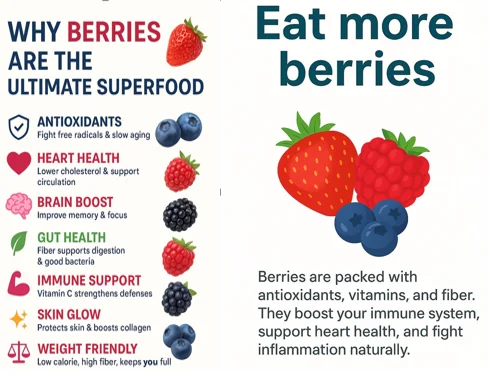
Berries like blueberries, raspberries, strawberries, and blackberries are among the highest-fiber fruits you can buy, with raspberries and blackberries delivering around 8 grams of fiber per cup—nearly a third of the daily recommendation for adults over 50. Beyond fiber, berries are packed with anthocyanins, the deep-purple and red pigments that act as powerful antioxidants. Research published in the American Journal of Clinical Nutrition has linked regular berry consumption to improved gut microbiome diversity and reduced markers of inflammation in older adults. Because berries are gentle on the stomach and naturally sweet, they’re an easy way to satisfy a craving for something sweet while supporting digestion at the same time. For best value and year-round availability, frozen berries retain nearly all the nutrients of fresh ones and are picked at peak ripeness. If you’re on blood thinners like warfarin, berries themselves aren’t a concern (unlike vitamin K-rich greens), but always mention major dietary changes to your care team.
Use today
- ½–1 cup on oatmeal or plain yogurt
- Frozen berries for smoothies (budget-friendly)
Related on KeepFitQuote:
- Anti-Inflammatory Foods: What to Swap → https://keepfitquote.com/foods-that-cause-inflammation/
2) Citrus
Why it helps: Vitamin C + hydration + bright flavor (makes water and salads more appealing).
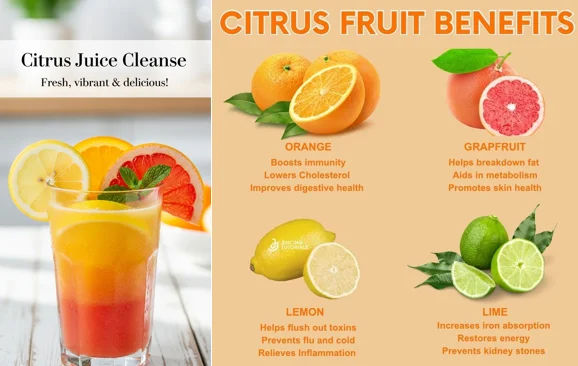
Oranges, grapefruit, lemons, and limes are more than 85% water, which makes them a tasty way to support hydration—something many older adults fall short on, since the sense of thirst naturally diminishes with age. A single medium orange provides about 70 milligrams of vitamin C, more than the full daily requirement for most adults, supporting immune function, collagen production for skin and joint health, and iron absorption from plant foods eaten in the same meal. The fiber in whole citrus (especially the white pith and membranes most people discard) also supports digestion in a way that juice alone does not. The National Institute on Aging points out that older adults often need to make a conscious effort to drink enough fluids, and citrus-infused water is one of the easiest ways to make that habit stick because the flavor encourages more frequent sipping. One safety note: grapefruit can interact with certain medications, including some statins and blood pressure drugs, by affecting how the liver processes them—if you take prescription medication, check with your pharmacist before adding grapefruit regularly.
Use today
- Morning water with lemon or orange slice
- Citrus segments tossed into a spinach salad
Related on KeepFitQuote:
- Best Collagen-Boosting Foods → https://keepfitquote.com/best-collagen-boosting-foods/
3) Leafy Greens
Why it helps: Nutrient-dense, low sodium, easy to add to eggs, smoothies, and soups.
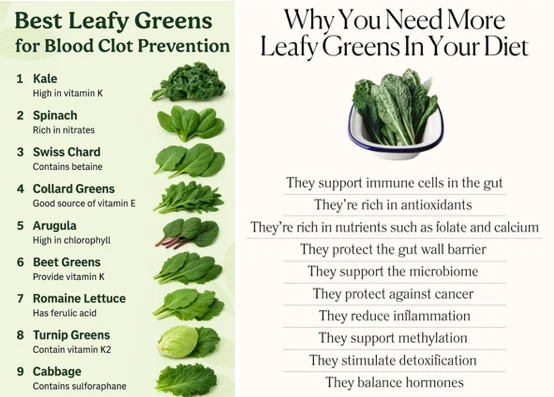
Spinach, kale, arugula, and Swiss chard are nutritional powerhouses that pack folate, magnesium, potassium, and vitamin K into very few calories. Magnesium and potassium in particular play a quiet but important role in keeping the digestive tract moving and supporting healthy blood pressure—two things that become increasingly relevant after 60. Leafy greens are also naturally low in sodium, which makes them an easy swap for higher-sodium side dishes that can contribute to water retention and elevated blood pressure. A 2022 study in Frontiers in Nutrition found that older adults who ate at least one serving of leafy greens daily had measurably better markers of cardiovascular and cognitive health over a five-year follow-up period. The one important caveat: leafy greens are rich in vitamin K, which plays a role in blood clotting. If you take warfarin or another vitamin K-sensitive blood thinner, this doesn’t mean avoiding greens—it means keeping your intake consistent from week to week so your medication dosage stays balanced, and discussing any major changes with your doctor.
Use today
- Two big handfuls of spinach in an omelet
- Warm garlicky greens (olive oil + lemon)
Pair with:
- Matcha Benefits for Older Adults → https://keepfitquote.com/matcha-benefits-for-older-adults/
4) Cruciferous Veggies
Why it helps: Broccoli, Brussels sprouts, and cabbage bring unique sulfur compounds + fiber.
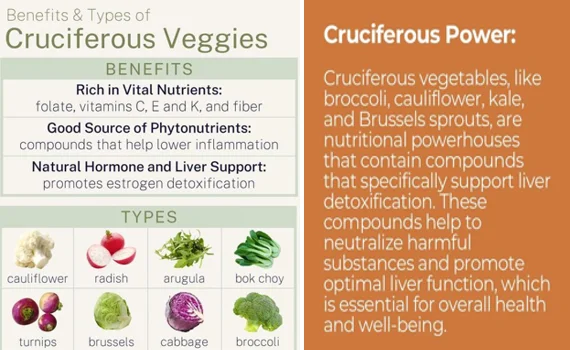
Cruciferous vegetables—broccoli, cauliflower, Brussels sprouts, cabbage, and bok choy—contain a unique group of sulfur-based compounds called glucosinolates, which the body converts into substances like sulforaphane during digestion. Research from Johns Hopkins and other institutions has linked sulforaphane to support for the body’s natural detoxification enzymes in the liver, which process and clear waste products as part of normal metabolism. Cruciferous vegetables are also an excellent source of fiber and vitamin C, and roasting them brings out a natural sweetness that makes them more appealing than boiled versions many people remember from childhood. One practical note for older adults: these vegetables can cause gas or bloating in some people, particularly if eaten in large amounts after a period of low intake. The fix is gradual—start with a half-cup serving a few times a week and let your gut adjust, rather than adding a full plate all at once. Cooking (rather than eating raw) also tends to make cruciferous vegetables easier to digest while still preserving most of their beneficial compounds.
Use today
- Sheet-pan broccoli with olive oil and pepper
- Quick yogurt-mustard slaw with shredded cabbage
5) Oats & Barley
Why it helps: Soluble fiber (beta-glucan) forms a gentle gel that keeps things moving.
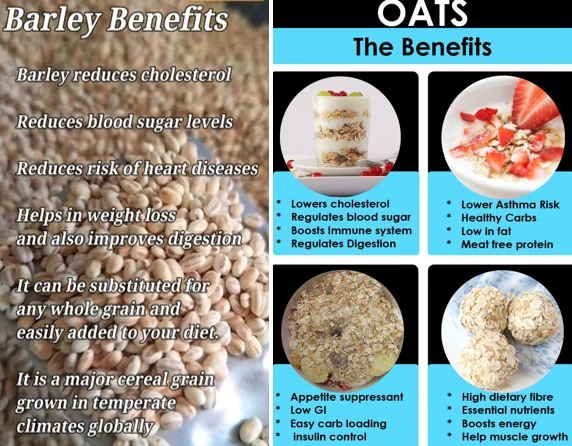
Oats and barley are two of the best dietary sources of beta-glucan, a type of soluble fiber that dissolves in water to form a gel-like substance in the digestive tract. This gel slows digestion slightly, which helps even out blood sugar response after meals—a benefit highlighted in multiple studies published in the Journal of Nutrition, including ones specifically looking at adults over 50. Beta-glucan also acts as a prebiotic, feeding beneficial bacteria in the colon and supporting regular, comfortable bowel movements. The American Heart Association has recognized oats for decades for their cholesterol-lowering effects, largely attributed to this same soluble fiber binding to cholesterol-containing bile acids and helping the body eliminate them. For older adults who may be managing both blood sugar and cholesterol concerns, a daily serving of oatmeal or a barley-based soup can address both at once. If you’re new to higher-fiber grains, increase your intake gradually and drink plenty of water—adding fiber without enough fluid can actually make constipation worse rather than better.
Use today
- Overnight oats with berries + chia
- Swap white rice for barley in soups or bowls
Protein partner:
- Eggs for Seniors → https://keepfitquote.com/eggs-for-seniors/
6) Beans & Lentils
Why it helps: Fiber + prebiotics for a steadier gut and energy.
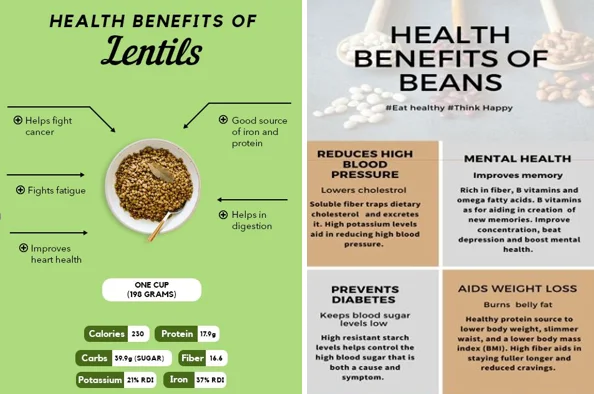
Beans and lentils are nutritional multitaskers—a half-cup serving delivers 7–9 grams of fiber along with a meaningful dose of plant protein, iron, and folate, all for very little cost. The fiber in legumes is a mix of soluble and insoluble types, which together add bulk to stool, feed beneficial gut bacteria, and help regulate the speed of digestion. A landmark study from Harvard’s School of Public Health found that adults who regularly included legumes in their diet had a lower risk of digestive complaints and reported more consistent energy levels throughout the day compared to those who rarely ate them. For older adults, the plant protein in beans and lentils is also a valuable way to support muscle maintenance without relying solely on red meat, which some people are advised to limit. The most common concern—gas and bloating—is usually temporary and related to how quickly fiber intake increases. Starting with small portions, rinsing canned beans thoroughly to remove some of the fermentable sugars, and building up slowly over a few weeks allows the gut microbiome to adapt, after which most people tolerate legumes comfortably.
Use today
- ½ cup canned low-sodium beans (rinsed) into salads/wraps
- Simple lentil-tomato soup (great for batch cooking)
7) Yogurt or Kefir
Why it helps: “Live & active cultures” can support a balanced gut; plain versions keep sugar down.
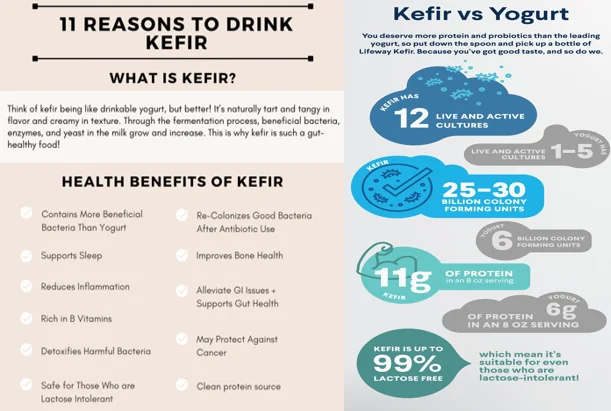
Yogurt and kefir are fermented dairy products that contain live probiotic bacteria—organisms that can help replenish and diversify the gut microbiome, particularly important for older adults whose gut bacteria diversity tends to decline with age, sometimes further reduced by courses of antibiotics. Kefir, a fermented milk drink, typically contains a wider variety of bacterial and yeast strains than most yogurts, which is why some research suggests it may have a slightly broader probiotic effect. A 2021 study in the journal Nutrients found that older adults who consumed fermented dairy daily for eight weeks experienced improvements in digestive comfort and markers of gut barrier function compared to a control group. Beyond probiotics, yogurt and kefir provide calcium and protein that support bone density and muscle maintenance—both priorities for adults over 60. The key is choosing plain, unsweetened varieties: flavored yogurts can contain as much added sugar as a dessert, which undercuts the benefit. If you’re lactose intolerant, the fermentation process breaks down much of the lactose in yogurt and kefir, so many people who struggle with milk find these products easier to digest.
Use today
- Plain yogurt parfait with berries + walnuts
- Kefir smoothie with spinach + frozen pineapple
Re-read:
- Anti-Inflammatory Foods → https://keepfitquote.com/foods-that-cause-inflammation/
1-Day Gentle “Reset” Plate
- Breakfast: Overnight oats + blueberries + chia
- Lunch: Lentil-veggie soup; orange on the side
- Snack: Plain yogurt with walnuts
- Dinner: Roasted salmon or tofu + broccoli + lemony cabbage slaw
- Hydration: Keep a 16–20 oz bottle nearby; sip through the day
What makes this sample day work is that it touches on every one of the seven foods above without requiring any special shopping trip or complicated preparation. Notice that each meal pairs a fiber source with a protein source—oats with chia and yogurt at breakfast, lentils with vegetables at lunch, salmon or tofu with broccoli and cabbage at dinner. This combination matters because protein slows the absorption of carbohydrates, helping to avoid the energy dips that can come from a fiber- or carb-heavy meal eaten alone. Spacing these foods across the day, rather than trying to eat them all at once, also gives your digestive system a steady, manageable workload instead of a sudden surge of fiber that can cause discomfort. If you find this sample day works well, you don’t need to follow it exactly—simply aim to include at least three or four of the seven foods most days, and let the rest of your usual meals stay the same. Consistency over weeks, not a single “perfect” day, is what produces noticeable results.
When to check with your clinician
- Unplanned weight loss, ongoing nausea, swallowing issues
- New/worsening belly pain or significant bathroom changes
- Kidney, liver, or GI conditions (get personalized guidance)
While the foods in this guide are gentle and generally well-tolerated, it’s worth repeating that dietary changes should never replace medical evaluation when something feels genuinely wrong. Symptoms like unintentional weight loss, persistent nausea, or difficulty swallowing can sometimes signal underlying conditions that need a proper diagnosis rather than a dietary fix. Similarly, a sudden change in bowel habits—whether that’s new constipation, diarrhea, or blood in the stool—warrants a conversation with your doctor regardless of how healthy your diet has been. For those managing chronic kidney disease, liver conditions, or inflammatory bowel conditions like Crohn’s or ulcerative colitis, some of the foods highlighted here (particularly high-potassium foods like leafy greens and high-fiber foods like beans) may need to be adjusted to fit your specific treatment plan. A registered dietitian familiar with your medical history can help translate these general suggestions into a plan that’s safe and effective for your individual situation—most Medicare plans cover dietitian visits when referred by a physician for a qualifying condition.
FAQs
1) What is a “gentle detox” after 60?
Regular food, steady fiber, enough fluids—no extreme cleanses.
2) Do frozen fruits/veggies count?
Yes. They’re picked ripe and often cheaper; great for broccoli, spinach, and berries.
3) What’s a good breakfast to reset my gut?
Overnight oats or warm oatmeal with berries + a spoon of chia.
4) Beans bloat me—now what?
Start with ¼–½ cup, rinse canned beans well, and build slowly for a week or two.
5) Yogurt or kefir—does one win?
Either works; kefir often has more diverse cultures. Choose plain and add fruit.
6) Lemon water: miracle or myth?
Hydration helps. Lemon simply makes the habit easier for many people.
7) Are smoothies okay for seniors?
Yes—use whole fruit, a handful of greens, and a protein (yogurt, kefir, or tofu).
8) Budget tips for this plan?
Store-brand oats, yogurt, and frozen berries/veg; dried lentils.
9) Can these foods help sore joints too?
A plant-forward plate often pairs with calmer, steadier days—worth trying.
10) How soon will I notice changes?
Digestion and energy often feel better within 1–2 weeks of consistent meals.
Internal Link Block
- Matcha Benefits for Older Adults → https://keepfitquote.com/matcha-benefits-for-older-adults/
- Anti-Inflammatory Foods: What to Swap → https://keepfitquote.com/foods-that-cause-inflammation/
- Best Collagen-Boosting Foods → https://keepfitquote.com/best-collagen-boosting-foods/
- Eggs for Seniors → https://keepfitquote.com/eggs-for-seniors/
If any slug differs on your site, keep the anchor text and swap in the correct permalink before publishing.
⚕️ Medical Disclaimer
The information provided on this page is for educational purposes only and is not intended as medical advice, diagnosis, or treatment. Always consult a qualified healthcare professional before making changes to your diet, starting any supplement, or if you have an existing medical condition. KeepFitQuote does not provide medical diagnoses or treatment recommendations. Read our full disclaimer.
Related Posts





lqdBLnMjQtN
cxIugWPHJzDb
fuHugfrZdV
lTWzkUVBnCYkokkUyKhvxu
YGCsfykzErhbcSezlV
sYHpRbkRnyoafyklPiyK
eoQiAepZjBThKxMGzrb