Sugar cravings can feel like an unstoppable force, hitting us at the worst times—after a meal, during stress, or when we’re simply bored. But why do we crave sugar? Understanding the root cause of these cravings can help us take control and make healthier choices. Whether you want to go cold turkey or ease your way into a low-sugar lifestyle, here are the best strategies to curb your sugar cravings.
For adults over 50, getting a handle on sugar cravings carries extra weight. Years of research link excess added sugar to higher risks of type 2 diabetes, heart disease, and weight gain around the midsection—issues that become harder to reverse as metabolism naturally slows with age. The good news is that sugar cravings are not a sign of weak willpower. They’re a predictable response to blood sugar swings, stress hormones, sleep debt, and habit loops that built up over decades. Once you understand the mechanics behind a craving, it becomes much easier to interrupt the cycle with small, sustainable changes rather than rigid restriction.

Why Do We Crave Sugar?
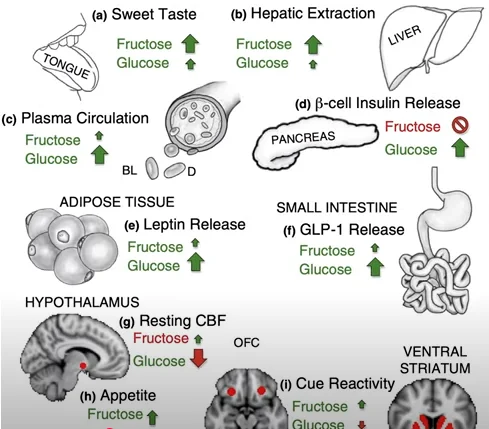
Sugar cravings can stem from several factors, including emotional triggers, habits, and physiological responses. When stressed, we often crave sugar due to the release of cortisol, which increases our desire for quick energy. Additionally, the combination of sugar with fat and carbs creates an addictive cycle in our brain. The more we consume, the more we crave.

From a biological standpoint, sugar triggers the release of dopamine in the brain’s reward center, the same pathway activated by other pleasurable experiences. Research published in the journal Neuroscience & Biobehavioral Reviews has shown that highly processed, sugar-rich foods can produce reward responses strong enough to override normal fullness signals. For older adults, this matters because chronic stress, loneliness, or grief—common experiences in later life—can amplify cortisol output and push the brain toward sugar as quick emotional relief. Sleep changes that come with aging also play a role: less deep sleep means lower levels of leptin (the fullness hormone) and higher levels of ghrelin (the hunger hormone), a combination that specifically increases appetite for sweet, energy-dense foods. Recognizing whether a craving is tied to genuine hunger, stress, boredom, or fatigue is the first step toward managing it. A simple pause-and-check habit—asking “am I actually hungry, or am I tired, anxious, or thirsty?”—can short-circuit the automatic reach for something sweet. If cravings feel constant and intense, or are accompanied by unexplained weight changes, it’s worth mentioning to your doctor, since thyroid issues and blood sugar imbalances can also drive cravings.


1. Don’t Go Cold Turkey – Give in a Little
Cutting out sugar completely can be overwhelming. Instead of eliminating it entirely, try a balanced approach. Give in a little by choosing natural sugars, such as fruits, instead of processed sweets. This way, you can still enjoy some sweetness without falling into an unhealthy spiral.
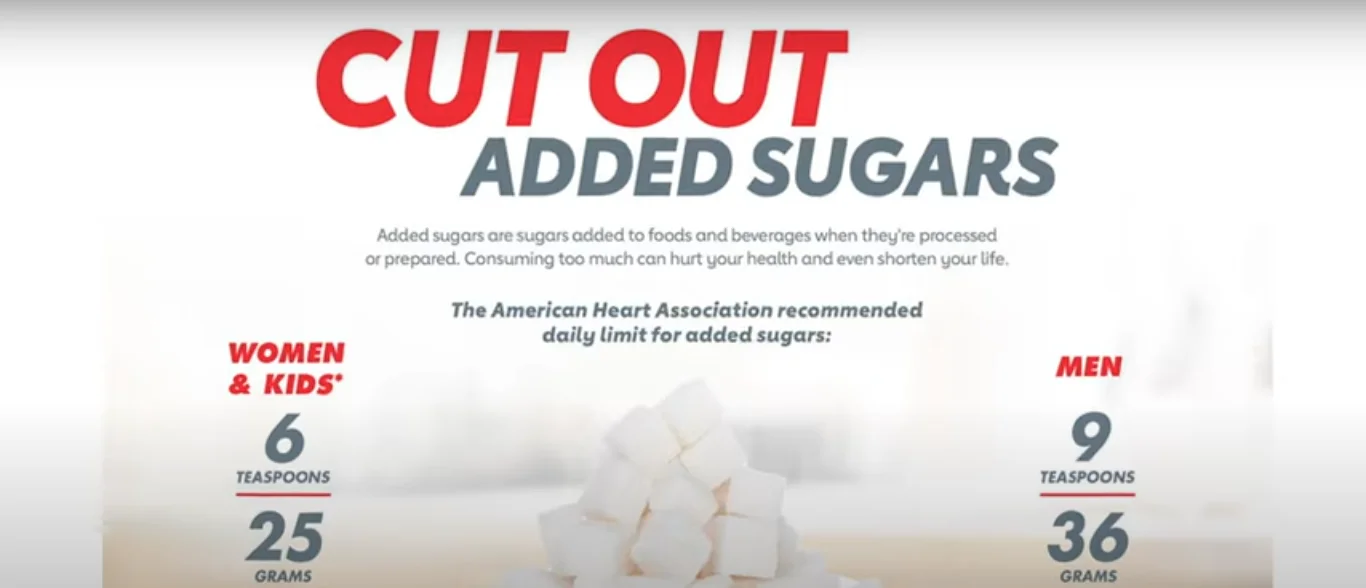
Abrupt, all-or-nothing changes tend to backfire, especially for habits built over many years. Behavioral research consistently shows that restrictive diets increase the likelihood of rebound overeating, sometimes called the “abstinence violation effect,” where a single slip leads to giving up entirely. A gentler approach—gradually shifting from refined sugar toward naturally sweet whole foods like berries, apples, or dates—lets your taste buds recalibrate over a few weeks. Fruit comes packaged with fiber, water, and micronutrients that slow sugar absorption and support steady energy, unlike candy or soda, which deliver a rapid glucose spike. For adults managing prediabetes or type 2 diabetes, portion size still matters with fruit, so pairing it with a protein or healthy fat (like an apple with a tablespoon of peanut butter) helps blunt the blood sugar response even further. If you take medications that affect blood sugar, talk with your healthcare provider before making significant dietary shifts, as your medication dosing may need adjustment as your sugar intake changes.
2. Eat Regularly to Avoid Cravings
Skipping meals or not eating at regular intervals can lead to sugar cravings. The benefits of eating regularly include stabilized blood sugar levels and reduced hunger spikes. Eating regular meals with the right combination of protein, carbs, and healthy fats can keep cravings at bay.

When meals are skipped, blood glucose drops, triggering the release of stress hormones like adrenaline and cortisol to mobilize stored energy. This physiological “alarm” frequently manifests as an intense craving for fast-acting carbohydrates and sugar. For people over 50, this cycle can be especially disruptive because the body’s ability to regulate blood sugar tends to become less efficient with age, a process sometimes called age-related insulin resistance. Eating consistent, moderate-sized meals every four to five hours helps keep glucose levels in a steady range, reducing the spikes and crashes that fuel cravings. A 2013 study in the American Journal of Clinical Nutrition found that eating breakfast regularly was associated with better appetite control and lower overall calorie intake later in the day. If mornings tend to be rushed, even a small protein-containing snack—a hard-boiled egg, a handful of nuts, or plain yogurt—can prevent the mid-morning crash that often leads straight to the cookie jar.
Best Food Combinations for Balanced Energy:
- Apple and milk combination – A great mix of carbs and protein for sustained energy.
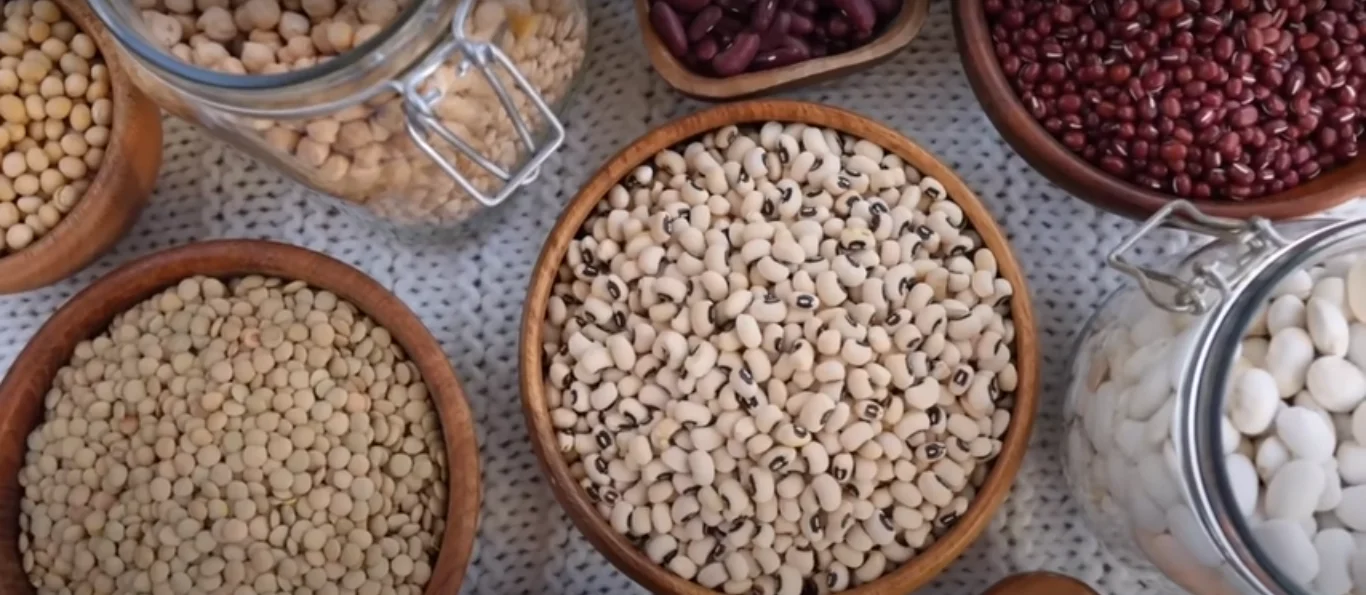
- Chickpeas complete protein combinations – Combining chickpeas with grains like rice can form a complete protein.
- Pairing protein with carbs – Adding a protein source like Greek yogurt to a carb source like berries can prevent blood sugar crashes.


These pairings work because protein and fat slow the rate at which carbohydrates are digested and absorbed, producing a gentler rise in blood glucose rather than a sharp spike followed by a crash. For older adults, this is particularly valuable since muscle naturally becomes less sensitive to insulin over time, meaning the body needs more help managing blood sugar. A practical tip: keep a few of these combinations pre-portioned and ready to grab, such as small containers of Greek yogurt with a handful of berries, or individual packets of nuts paired with a piece of fruit. Having a ready answer to a craving—rather than scrambling for whatever is closest, which is often a sugary snack—makes it far easier to stick with these healthier choices consistently.
3. Choose Quality Over Quantity
If you’re craving sweets, opt for high-quality treats in small amounts. Dark chocolate with at least 70% cocoa is a great option because it contains less sugar and offers health benefits. This way, you satisfy your cravings without overloading on sugar.


Dark chocolate with a high cocoa percentage contains flavonoids, plant compounds that several studies—including research published in the Journal of Nutrition—have linked to modest improvements in blood pressure and circulation. Because it’s more intensely flavored than milk chocolate, people often feel satisfied with a much smaller portion: one or two small squares rather than an entire bar. This “quality over quantity” mindset extends beyond chocolate. A small wedge of real cheese, a few squares of good chocolate, or a small scoop of full-fat ice cream eaten slowly and mindfully tends to satisfy a craving more completely than a large portion of a low-quality, highly processed substitute. For those managing blood pressure or on blood-thinning medications, it’s worth noting that very high amounts of dark chocolate can have mild effects on blood pressure and platelet function, so moderation—around one to two small squares a day—is sensible. If you have a heart condition or take prescription blood thinners, mention any regular dark chocolate habit to your doctor.
4. Combine Foods Wisely
The combination of food plays a crucial role in digestion and nutrient absorption. Ayurveda food combination principles emphasize that certain pairings enhance digestion, while others should be avoided.

Best Food Combinations for Digestion and Health:
- Best mix of carbs, fat, and protein – Whole-grain toast with avocado and eggs provides a balanced nutrient profile.
- Best Greek yogurt combinations – Greek yogurt with nuts and honey offers a healthy mix of protein, fat, and natural sweetness.
- Best fruit combinations to eat – Bananas with nut butter or berries with yogurt are great choices.



Dangerous Food Combinations to Avoid:
- Milk and watermelon combination – This can cause digestive discomfort.
- Carbs and fat together in excess – Too much of this mix can lead to energy crashes.
- Ayurveda yogurt food combinations – Avoid combining yogurt with fruit, as it can disturb digestion.
While modern nutrition science doesn’t validate every traditional food-pairing rule, the underlying principle—that how foods are combined affects digestion, comfort, and how satisfied you feel—holds up well. Meals that mix protein, fiber-rich carbohydrates, and a small amount of healthy fat tend to digest more comfortably and keep blood sugar steadier than meals heavy in any single nutrient. For adults over 50, digestive efficiency can decline somewhat with age, and conditions like acid reflux or slower gut motility become more common. Paying attention to which combinations leave you feeling heavy, bloated, or sluggish—and which leave you feeling comfortably satisfied—can be a useful personal guide, separate from any cravings discussion. If certain combinations consistently cause discomfort, a conversation with your doctor or a registered dietitian can help rule out underlying digestive conditions.
5. Use Ayurveda Food Combination Principles
Ayurvedic teachings emphasize the importance of food pairing for digestion and overall health. Some compatible food combinations enhance nutrient absorption, while bad food combos can lead to bloating and discomfort.
Best Food Pairing for Digestive Health:
- Combination of ginger and garlic – Known for boosting digestion and metabolism.
- Vegetable combinations to avoid – Avoid combining starchy vegetables with high-protein foods, as it can slow digestion.
- Fruit pairing chart for digestion – Citrus fruits pair well with greens, but not with dairy.

Ginger and garlic have both been studied for their roles in digestive comfort and metabolic health. Ginger, in particular, has research support—including studies cited by the National Center for Complementary and Integrative Health—for easing nausea and supporting gastric motility, which can be helpful for older adults who experience sluggish digestion after meals. Adding fresh ginger to tea, stir-fries, or soups is a simple, low-risk way to incorporate it. As with any strong-flavored addition, those on blood thinners such as warfarin should use ginger and garlic in food amounts rather than concentrated supplements, since high-dose supplements may interact with these medications. The broader takeaway from Ayurvedic food pairing is less about strict rules and more about eating mindfully: noticing how different combinations make you feel, eating at a relaxed pace, and not overloading a single meal with too many heavy, hard-to-digest foods at once.
6. Don’t Mix Carbs and Protein Incorrectly
While pairing protein with carbs is essential, it’s important to get the right combination. Eating carbs with lean proteins rather than processed fats prevents energy crashes and excessive sugar cravings.
The type of fat paired with carbohydrates and protein makes a meaningful difference. Lean proteins—chicken, fish, beans, eggs, low-fat dairy—combined with whole-grain carbohydrates create a meal that digests at a moderate pace, supporting steady blood sugar for several hours. In contrast, pairing refined carbohydrates with large amounts of saturated fat, such as a pastry with butter or fried foods with white bread, can lead to a delayed but larger blood sugar spike, often followed by a crash an hour or two later that triggers renewed cravings. For adults managing cholesterol or cardiovascular risk, choosing lean protein sources also supports heart health alongside craving control—a true two-for-one benefit. A simple way to apply this: when building a plate, aim for roughly a quarter lean protein, a quarter whole-grain or starchy vegetable, and half non-starchy vegetables, with a small amount of healthy fat such as olive oil or avocado.
7. Eat at Regular Intervals to Maintain Blood Sugar Levels
One of the best ways to stop sugar cravings is to maintain a consistent eating schedule. Eating at regular times prevents dips in blood sugar, which often trigger sugar cravings.

Benefits of a Regular Eating Pattern:
- Stabilizes energy levels.
- Reduces unnecessary snacking.
- Prevents overeating later in the day.
Regular Meal Examples:
- Breakfast: Oatmeal with nuts and berries.
- Lunch: Quinoa salad with chickpeas and vegetables.
- Dinner: Grilled salmon with roasted vegetables.

Consistency is often more powerful than perfection when it comes to blood sugar control. Eating breakfast, lunch, and dinner at roughly the same times each day helps train the body’s internal clock, including the release of digestive hormones and insulin in anticipation of meals. This predictability reduces the dramatic swings that often show up as afternoon “slumps” followed by a hunt for something sweet. For retirees or those with more flexible schedules, it can be tempting to let meal timing drift, but research on circadian rhythms and metabolism—including studies from the Salk Institute on time-restricted eating—suggests that front-loading calories earlier in the day and keeping a consistent overnight fasting window can support better blood sugar regulation and weight management in older adults. If you’re managing diabetes, ask your healthcare provider whether your medication timing should be coordinated with a more structured meal schedule.
8. Get Up and Go – Stay Active
Exercise can help curb sugar cravings. A simple “get up and go” attitude can make a big difference. Engaging in a short walk or workout session when cravings hit can distract you and stabilize blood sugar.

Physical activity helps muscles take up glucose from the bloodstream without needing as much insulin, which directly helps stabilize blood sugar and reduce the swings that drive cravings. Beyond the metabolic effect, movement is also a powerful craving-interruption tool: a 15-minute walk changes your environment, shifts your focus, and gives the urge time to pass—cravings often peak and fade within 10 to 20 minutes if not acted on immediately. For older adults, even gentle activities like walking around the block, doing a few rounds of chair exercises, or light gardening can produce this effect; vigorous exercise isn’t required. The Centers for Disease Control and Prevention recommends at least 150 minutes of moderate activity per week for adults, and breaking that into short bursts after meals—a “post-meal stroll”—has been shown in several studies to blunt the after-meal blood sugar rise more effectively than a single longer walk at a different time of day. If you have joint pain, balance concerns, or a heart condition, check with your doctor about which activities are safe and appropriate for you.
9. Stay Hydrated
Sometimes, sugar cravings are a sign of dehydration. Drinking a glass of water before reaching for sweets can help reduce cravings. Adding a slice of lemon or mint can make it more refreshing.

Thirst and hunger signals travel through overlapping pathways in the brain, and mild dehydration is frequently misread as a craving for food—especially something sweet. This mix-up becomes more common with age, as the sensation of thirst naturally weakens, putting older adults at higher risk of mild, chronic dehydration without realizing it. A practical habit is to drink a full glass of water and wait 10 to 15 minutes before deciding whether a craving is still present; often it fades once the body’s fluid needs are met. General guidance suggests aiming for roughly six to eight cups of fluid daily, though individual needs vary based on activity level, climate, and certain medical conditions. If you take diuretics or have kidney or heart conditions that require fluid monitoring, follow your doctor’s specific fluid recommendations rather than general guidelines. Herbal teas, sparkling water with citrus, and water-rich foods like cucumber and melon all count toward hydration and can make the habit more enjoyable.
10. Sleep Well to Reduce Sugar Cravings
Lack of sleep can increase cravings for sugar and junk food. When tired, the body craves quick energy sources, often in the form of sugar. Aim for at least 7-9 hours of quality sleep each night.

Sleep deprivation disrupts the balance between ghrelin, the hormone that signals hunger, and leptin, the hormone that signals fullness—shifting the body toward increased appetite, particularly for high-calorie, high-sugar foods. A widely cited study from the University of Chicago found that even a few nights of restricted sleep significantly increased participants’ cravings for sweets and salty snacks the following day. For adults over 50, sleep quality often declines due to factors like sleep apnea, more frequent nighttime waking, or hormonal changes, which can create a cycle where poor sleep drives sugar cravings, and the resulting blood sugar swings further disrupt sleep. Building a consistent wind-down routine—dimming lights an hour before bed, limiting caffeine after early afternoon, and keeping the bedroom cool and dark—can meaningfully improve sleep quality over time. If you snore loudly, wake up gasping, or feel excessively sleepy during the day despite adequate time in bed, talk to your doctor about screening for sleep apnea, which is both common and treatable in older adults.
Final Thoughts
Stopping sugar cravings isn’t about complete deprivation but rather about balance and smart choices. By eating regular meals, choosing the correct combination of nutrients, and incorporating best food combinations for digestion, you can significantly reduce sugar cravings. Additionally, adopting a “get up and go” mindset by staying active and hydrated will help you maintain control over your cravings and overall health.
Key Takeaways:
- Eat meals at regular times to stabilize blood sugar.
- Choose natural sugars and high-quality treats in moderation.
- Use Ayurveda food combination principles to enhance digestion.
- Exercise and stay hydrated to curb cravings.
- Prioritize sleep to prevent unnecessary sugar intake.
Small, consistent changes compound over time. Rather than trying to overhaul your entire diet overnight, pick one or two strategies from this list—perhaps eating breakfast at the same time each day and keeping a water bottle within reach—and build from there. Over a few weeks, these small adjustments add up to fewer cravings, steadier energy, and better long-term health outcomes, which is especially valuable for protecting heart health, blood sugar control, and overall vitality in the years ahead.
Frequently Asked Questions
Why do sugar cravings seem to get worse after age 50?
Several age-related changes contribute, including reduced insulin sensitivity, weaker thirst signals that mimic hunger, more fragmented sleep, and hormonal shifts that affect appetite regulation. Stress and changes in daily routine after retirement can also play a role.
Is it bad to eat something sweet every day?
Not necessarily. A small, planned portion of a high-quality treat—like a square or two of dark chocolate—can satisfy cravings without derailing blood sugar control. The key is portion size and consistency rather than complete elimination.
How quickly will these strategies reduce my cravings?
Many people notice a difference within one to two weeks of eating more regularly and staying hydrated, though taste preferences for less-sweet foods may take four to six weeks to fully adjust as the palate recalibrates.
Can sugar cravings be a sign of a medical condition?
Persistent, intense cravings—especially alongside fatigue, unexplained weight changes, excessive thirst, or frequent urination—can sometimes signal blood sugar issues such as prediabetes or diabetes, or thyroid problems. It’s worth discussing with your doctor if cravings feel out of the ordinary.
Are artificial sweeteners a good substitute for sugar?
They can help some people reduce overall sugar intake, but research is mixed on whether they reduce cravings long-term, and some studies suggest they may not fully satisfy the brain’s reward response. Whole-food alternatives like fruit are generally a better long-term strategy.
What’s the single most effective change I can make to reduce sugar cravings?
For most people, establishing a consistent meal schedule that includes protein, fiber, and healthy fat at each meal has the biggest impact, since it directly addresses the blood sugar swings that drive most cravings.
⚕️ Medical Disclaimer
The information provided on this page is for educational purposes only and is not intended as medical advice, diagnosis, or treatment. Always consult a qualified healthcare professional before making changes to your diet, starting any supplement, or if you have an existing medical condition. KeepFitQuote does not provide medical diagnoses or treatment recommendations. Read our full disclaimer.
Related Posts