
Staying fit while working a 9-to-5 job can be challenging, but weight loss challenges at work can make it both fun and achievable. These initiatives not only promote health but also foster teamwork and camaraderie among colleagues. Here are some exciting and effective workplace wellness ideas to get everyone moving.
The modern workplace is one of the most potent contributors to sedentary behavior in adult life. The average American office worker sits for more than 10 hours per day when accounting for commuting, desk time, and evening screen time — a level of inactivity that the Annals of Internal Medicine has linked to increased risks of cardiovascular disease, type 2 diabetes, and all-cause mortality, even among people who exercise regularly outside work hours.
This is where workplace wellness challenges make a uniquely powerful difference. A 2020 review in the American Journal of Health Promotion found that structured workplace physical activity programs reduced participants’ BMI, improved cardiovascular fitness, and meaningfully decreased absenteeism — with the social and competitive element of team challenges being one of the strongest drivers of sustained participation. The key word is “sustained”: challenges that last 4–12 weeks with clear milestones show far better long-term behavior change than one-off events.
The five challenge formats below are designed to be inclusive, scalable for any company size, and adaptable whether your team works in an office, remotely, or in a hybrid setup. Pick one to start — or mix and match for a full 12-week workplace wellness program.
1. Jump Rope Challenges
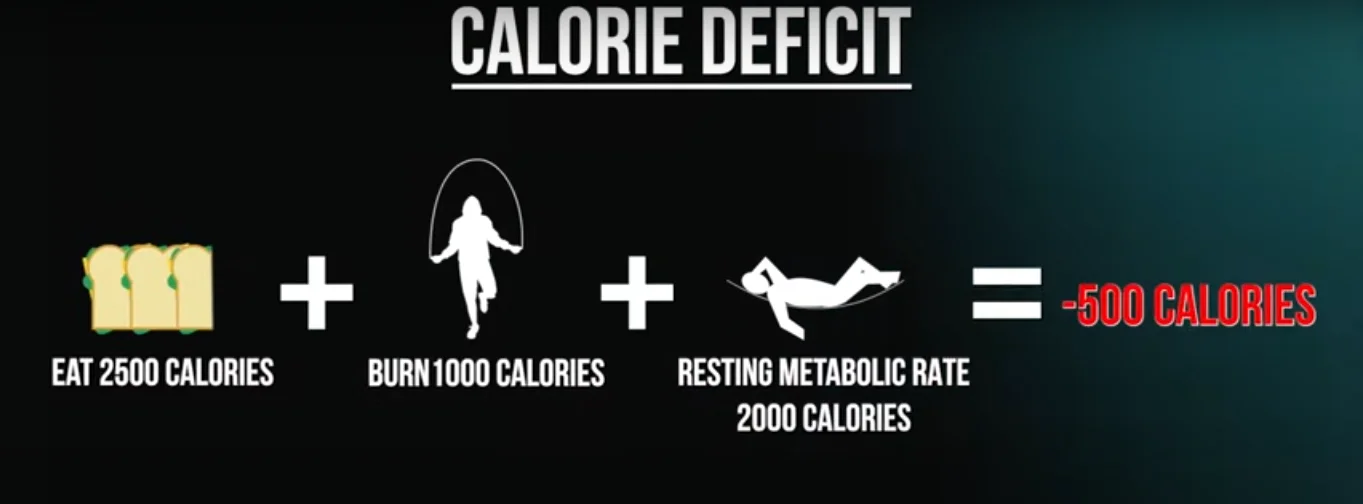
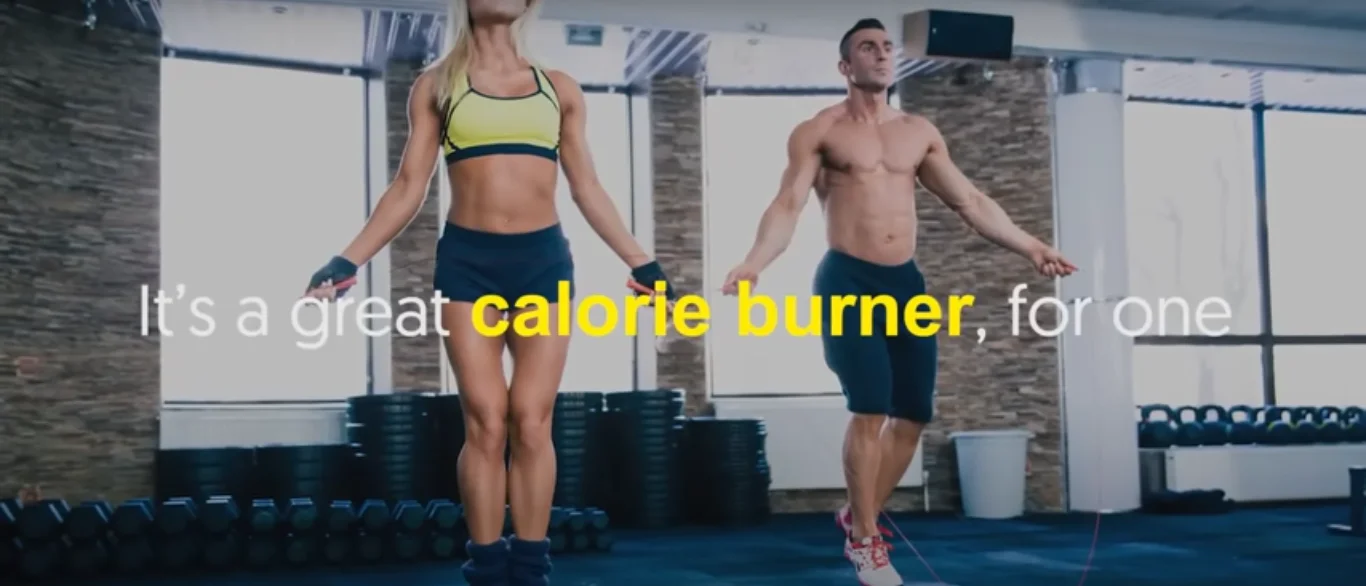
Jump rope exercises are fantastic for cardiovascular health and weight loss. A jump rope challenge for adults can be done during lunch breaks or after work hours, encouraging healthy habits without disrupting workflow. Participants can track their progress and compete to achieve the most jumps or the longest continuous skipping session.
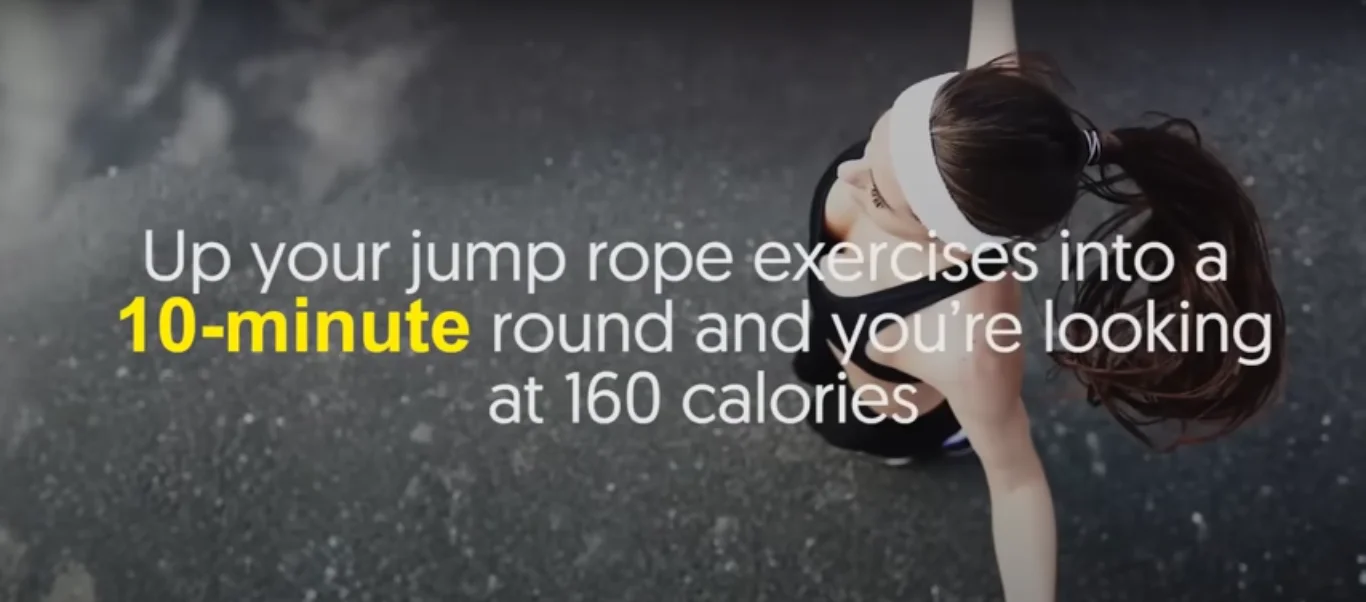
Jump rope is one of the most time-efficient cardiovascular exercises available — a 10-minute session at moderate intensity burns roughly the same number of calories as an 8-minute mile run, according to research published in the British Journal of Sports Medicine. For adults over 50, it also provides the added benefit of improving bone density through its weight-bearing, impact nature, making it a genuinely multi-purpose wellness tool.
The beauty of a workplace jump rope challenge is its low barrier to entry. Ropes cost $5–$15 each, require no equipment installation, and can be done in a parking lot, hallway, or outdoor courtyard in as little as 5 minutes. A recommended challenge structure: week one, participants aim for 100 consecutive jumps. Each week, the target increases by 50. By week four, most participants will have achieved meaningful cardiovascular improvement and a sense of genuine accomplishment.
For colleagues with joint concerns or balance issues, modified alternatives — like “fake jump rope” (mimicking the arm motion while stepping side to side) — keep participation inclusive. Tracking apps like JumpRope or simple shared spreadsheets work equally well for logging progress and maintaining the friendly competitive spirit that keeps engagement high.

2. Skipping Challenges
Skipping is an effective way to burn calories and stay fit. The skipping rope challenge can be done in teams or individually, with participants aiming to complete a set number of skips daily. This challenge is especially effective when combined with a step-counting app to track overall activity levels.
While jump rope and skipping are related, a workplace skipping challenge takes a broader approach — incorporating skipping as a movement modality throughout the workday rather than in dedicated sessions. Think: skip from your desk to the printer, skip during a walk to a colleague’s workspace, or incorporate a “skipping lap” around the building at the start of lunch. It sounds lighthearted, but that’s precisely the point — lowering the psychological barrier to movement makes it sustainable.
Research on “exercise snacking” — short bouts of activity distributed throughout the day — supports this approach strongly. A 2019 study in Applied Physiology, Nutrition, and Metabolism found that three short climbing-stair bouts before meals improved cardiovascular fitness as effectively as one continuous bout, and participants found the distributed format easier to maintain over time. Skipping challenges tap into the same principle.
For the competitive element, a weekly “skipping leaderboard” posted in the break room or shared via Slack/Teams keeps motivation high. Consider team-based scoring rather than individual — teams of 4–5 people pool their daily skip counts, which encourages peer accountability and prevents the challenge from becoming discouraging for less active participants. Prizes need not be expensive: a catered healthy lunch for the winning team or an extra WFH day are high-value, low-cost motivators.


3. Swimming Challenges
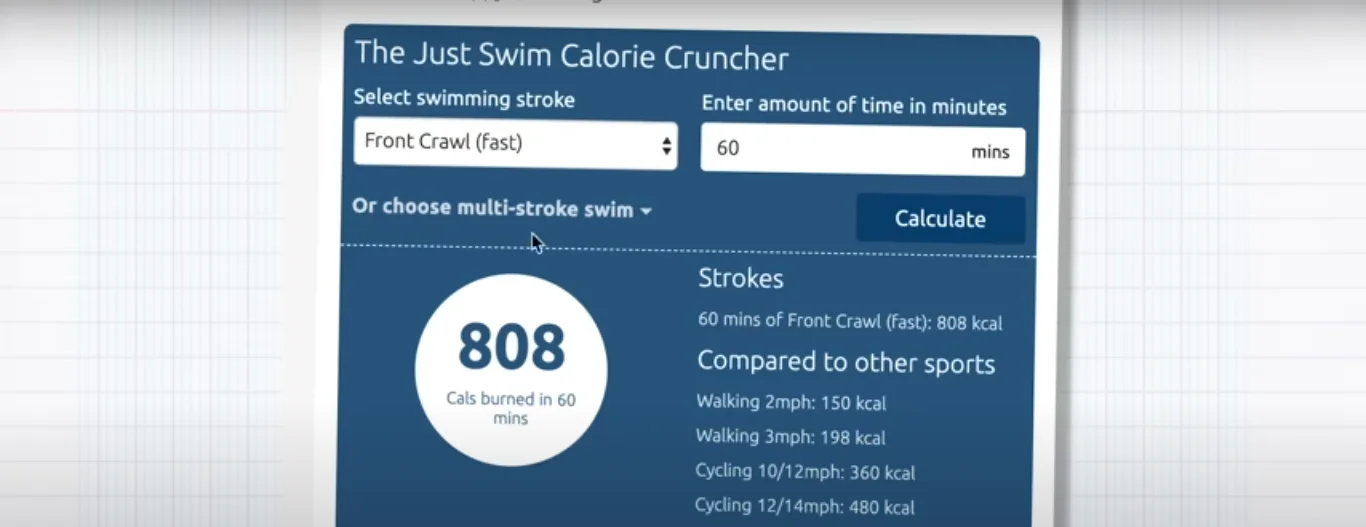
For workplaces with access to a pool or employees who enjoy swimming, challenges of swimming can be a refreshing addition to the wellness program. Swimming is a low-impact, full-body workout that is ideal for all fitness levels. Employees can track the number of laps or distance covered each week, with top performers recognized at company meetings.
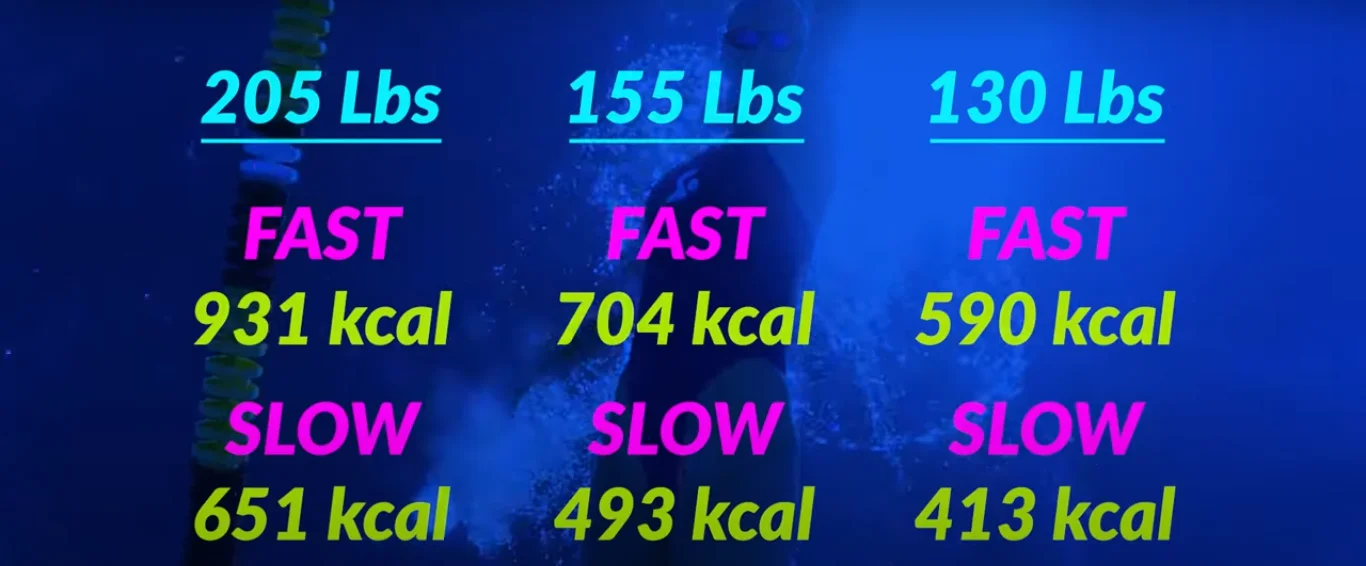
Swimming stands apart from most other exercise modalities because it is genuinely joint-friendly — the buoyancy of water reduces impact stress on knees, hips, and the spine by up to 90%, making it the ideal workout choice for adults managing arthritis, lower back pain, or recovering from injury. For workplaces with an older workforce or employees managing chronic pain, a swimming challenge can be the most inclusive fitness initiative you offer.
The caloric burn is also substantial: a 155-pound person swimming freestyle laps burns approximately 400–500 calories per hour, comparable to running but without the impact. A 2017 study in the International Journal of Aquatic Research and Education found that regular swimming significantly improved body composition, cardiovascular fitness, and flexibility in middle-aged adults after just 12 weeks of three-sessions-per-week programming.
If a company pool isn’t available, partner with a local YMCA or community recreation center for discounted employee memberships — many facilities offer corporate wellness partnership rates that make this surprisingly cost-effective. Alternatively, a virtual swimming challenge works well for distributed teams: participants log their own pool sessions through apps like MySwimPro or Strava, and cumulative lap counts are shared on a team dashboard. The “Tour de Pool” format — collectively swimming the equivalent of a famous river or coastline — adds a fun narrative layer that keeps teams engaged over weeks.


4. Fun Fitness Challenges
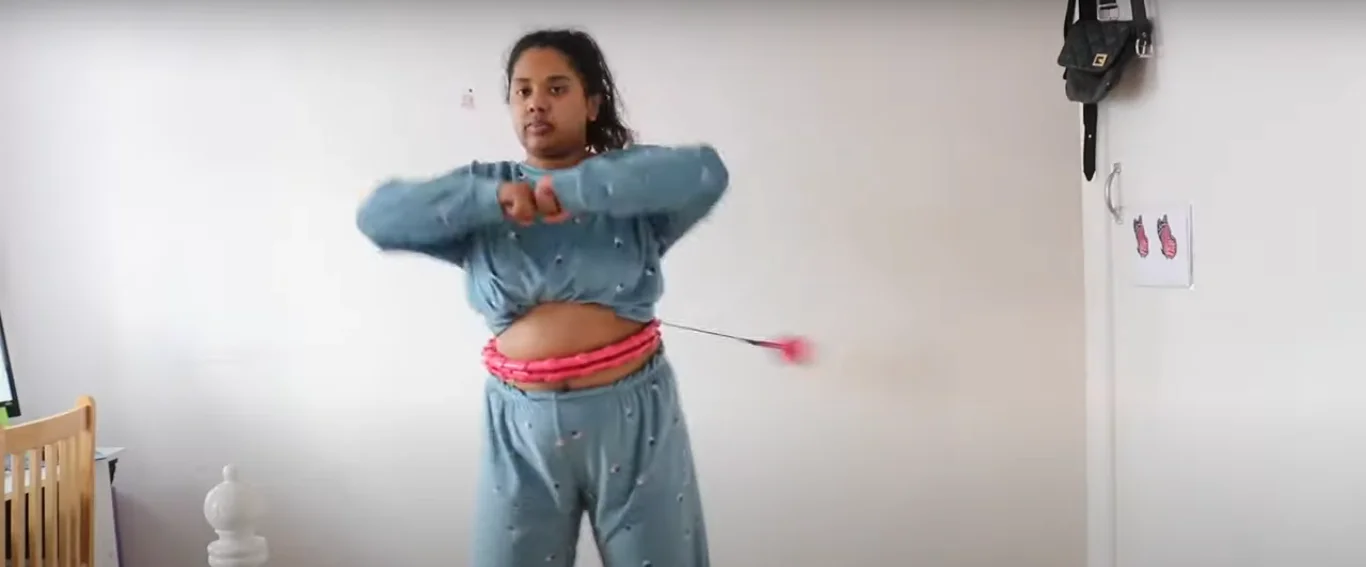
Different types of fitness challenges can be included to cater to diverse interests. A hoop challenge, dance challenge, or obstacle course can add variety and keep the program exciting. These challenges can be organized as monthly events, with participants earning points for each activity completed.
Variety is the single most important factor in long-term workplace wellness program participation. Research from the Society for Human Resource Management consistently finds that programs with diverse activity options — rather than a single prescribed workout — retain 40–60% more participants at the three-month mark. A hula hoop challenge, for example, engages core muscles while delivering genuine cardiovascular benefit (roughly 210 calories per 30 minutes for an average adult), but more importantly, it’s fun in a way that removes the psychological weight often associated with “exercise.”
Dance challenges have exploded in popularity since the pandemic era of home fitness videos, and they translate beautifully to the workplace. A 15-minute lunchtime dance break — even via video call for hybrid teams — builds cardiorespiratory fitness, boosts mood through endorphin release, and creates the kind of shared social memory that strengthens team culture. A 2021 study in Frontiers in Psychology found that synchronized physical activity between colleagues measurably increased feelings of trust and cooperation — a business benefit, not just a health one.
For the obstacle course option, this doesn’t require elaborate setup: cones, hula hoops, jump ropes, and a timing app are sufficient for a backyard-style course in a parking lot or large indoor space. Run it as a quarterly “Field Day” event that employees can look forward to — building social anticipation is itself a wellness intervention, as positive anticipation has been linked to lower cortisol levels and improved mood in psychological research.
5. Cooking and Nutrition Challenges
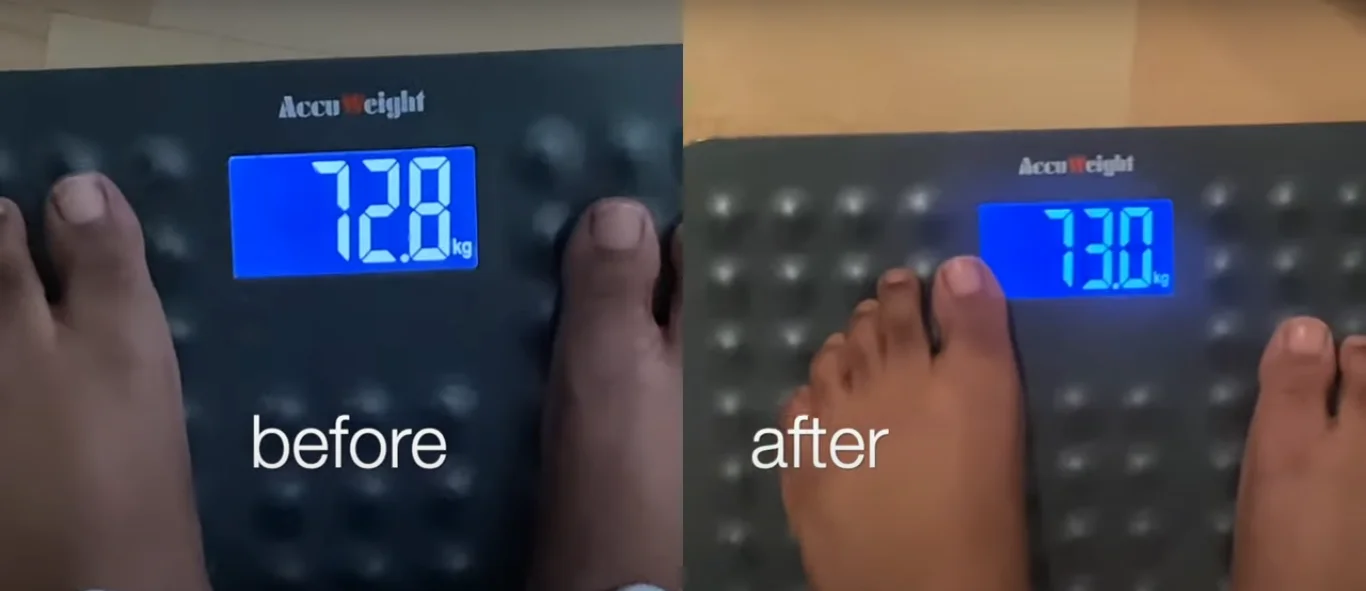
Exercise alone isn’t enough; a balanced diet is crucial for weight loss. A chef challenge can be incorporated where employees share healthy recipes and prepare nutritious meals for the team. This not only promotes better eating habits but also encourages social interaction and teamwork.
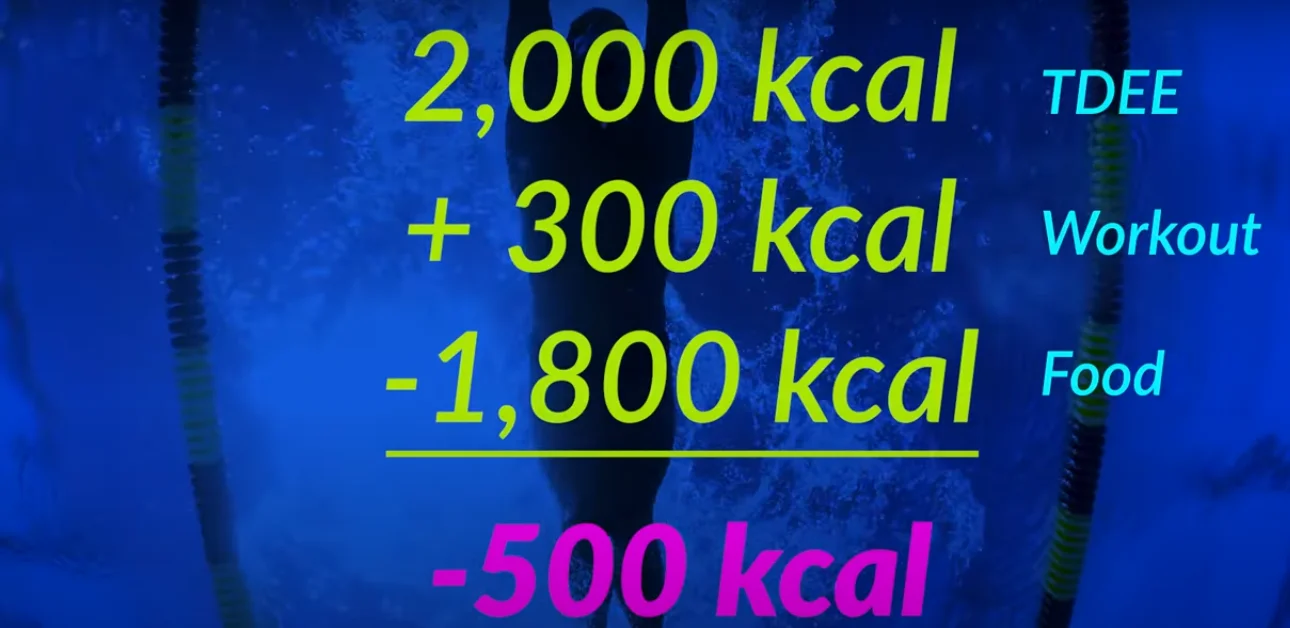
The research on this point is unambiguous: physical activity without dietary change produces modest weight loss results, but combining movement with improved nutrition produces outcomes that are two to three times greater. A 2021 meta-analysis in Obesity Reviews found that combined diet-plus-exercise interventions resulted in 20% greater weight loss than exercise alone over 12-month follow-up periods. Including a nutrition challenge alongside physical activity challenges isn’t a nice-to-have — it’s what makes a workplace wellness program actually effective.
A cooking challenge is one of the most engaging nutrition formats for a workplace setting. The structure is simple: each week, one team or individual shares a healthy recipe (submitted digitally or prepared for an in-office tasting), and participants vote on their favorites. Categories can include “best high-protein lunch,” “quickest under-30-minute dinner,” or “best healthy swap for a comfort food classic.” This generates a living recipe library that the entire team benefits from long after the challenge ends.
For remote teams, a “show your meal prep” weekly photo challenge on a shared Slack channel or WhatsApp group achieves a similar effect — normalizing home cooking, reducing reliance on processed convenience foods, and creating genuine social bonding around food. Consider partnering with a registered dietitian for a monthly lunch-and-learn webinar tied to the challenge themes: research shows that access to professional nutrition guidance is one of the strongest predictors of sustained dietary improvement in workplace wellness programs.

Weight loss challenges at work are an excellent way to stay active, build teamwork, and maintain motivation throughout the year. Whether it’s jump rope, swimming, or cooking nutritious meals, these challenges create a culture of health and wellness in the workplace. Start small, stay consistent, and watch as your team transforms — one challenge at a time.
⚕️ Medical Disclaimer
The information provided on this page is for educational purposes only and is not intended as medical advice, diagnosis, or treatment. Always consult a qualified healthcare professional before making changes to your diet, starting any supplement, or if you have an existing medical condition. KeepFitQuote does not provide medical diagnoses or treatment recommendations. Read our full disclaimer.
Related Posts









Oh my goodness! Incredible article dude! Many thanks, However I am experiencing problems with your RSS. I don’t understand the reason why I cannot join it. Is there anybody having the same RSS issues? Anyone that knows the solution will you kindly respond? Thanx!!
I’m genuinely inspired — thank you so much!