
If you’ve been struggling with belly fat, insulin resistance, or blood sugar imbalances, you might’ve come across Dr. Jason Fung’s approach to diet and fasting. Unlike most mainstream weight loss programs, his method doesn’t rely on calorie counting or expensive supplements. Instead, it’s about getting to the root cause of weight gain—especially for people dealing with stubborn fat, fatigue, or type 2 diabetes.
Let’s break down Dr. Fung’s unique diet plan in plain, practical terms, so you can decide if this natural approach is right for your health goals.
What Makes Dr. Jason Fung’s Diet Different?
Dr. Fung, a Canadian nephrologist, is best known for his work on intermittent fasting protocols and low-carb eating plans. But what really sets him apart is his focus on insulin control. He believes that weight gain is primarily a hormonal issue, not just a matter of overeating or under-exercising.
Instead of obsessing over daily calorie goals or limiting fat, his plan helps your body switch from storing fat to burning it. And it all starts with two key principles:
- Time-restricted eating
- Real-food nutrition without processed carbs
What makes this approach particularly relevant for adults over 50 is that our bodies become less sensitive to insulin as we age—a process that accelerates with decades of high-carb eating. A 2019 study published in The New England Journal of Medicine found that intermittent fasting improved metabolic markers including insulin sensitivity, blood pressure, and waist circumference across multiple age groups. Dr. Fung’s framework essentially harnesses this biology deliberately, using structured eating windows rather than willpower alone to drive change.
The hormonal argument is backed by research from the University of British Columbia, where studies on type 2 diabetes patients showed that reducing dietary carbohydrate intake lowered fasting insulin levels significantly within just two weeks. Once insulin drops, the body’s fat cells become accessible for fuel—something that simply doesn’t happen when insulin stays chronically elevated. For people in their 50s, 60s, or 70s who’ve tried cutting calories without success, this mechanism explains why they struggled: they were fighting hormones, not just habits.
How the Fung Diet Plan Works Day-to-Day
Here’s a basic structure of what your day could look like on Dr. Fung’s method:
The beauty of this plan is that it doesn’t require complex meal planning or expensive specialty foods. The structure is simple enough to follow even when life gets busy. For older adults especially, this predictability matters—you know when you eat, what you eat, and why each choice supports your health goals. Many seniors find that having two well-planned meals within an 8-hour window is actually easier than trying to organize three meals plus snacks throughout the day.
Dr. Fung also emphasizes that the quality of your eating window matters just as much as the timing. A 2020 review in Obesity Reviews confirmed that time-restricted eating paired with nutrient-dense, lower-glycemic foods produced greater improvements in insulin sensitivity than fasting alone. This is why the type of food you break your fast with is just as important as the length of the fast itself.
Morning: Skip Breakfast (Yes, Really)
You begin the day with water, black coffee, or herbal tea. No sugar, no milk. This is part of the fat-burning fasting hours, which typically last 16 to 18 hours.

Midday: Break Your Fast with Clean Foods
Your first meal should include:
- Healthy fats (like avocado or olive oil)

- Moderate protein (eggs, fish, or chicken)

- Low-carb veggies like zucchini, kale, or spinach

Avoid any packaged foods or sweetened drinks. These spike insulin and make fasting harder.
Breaking your fast with protein and healthy fat rather than carbohydrates is particularly important for older adults. Research from the journal Nutrients (2021) found that adults over 60 who consumed higher-protein first meals preserved lean muscle mass more effectively during calorie restriction. A simple first meal might be two eggs cooked in olive oil with half an avocado and a handful of spinach—satisfying, anti-inflammatory, and gentle on blood sugar. Taking 20–30 minutes to eat this meal slowly also aids digestion, which tends to slow with age.
Evening: Keep It Light
Dinner should be satisfying but not heavy. Think:
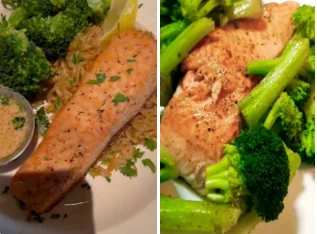
- Grilled salmon with broccoli
- A leafy green salad with seeds

- A cup of bone broth for gut support

No dessert, no snacking. After dinner, you begin your next gut healing meal window—that is, your fast until tomorrow.
Timing your last meal at least three hours before bed is a strategy that aligns with the body’s natural circadian rhythm. A study in Cell Metabolism found that eating in sync with daylight hours—finishing the last meal before 7 or 8 pm—improved blood sugar regulation and reduced fat storage compared to late-night eating. For seniors who tend to wake earlier, ending dinner by 6 pm and breaking the fast around noon creates a natural, comfortable 16-to-18-hour window without any real hardship. Bone broth in the evening is especially valuable for its collagen and glycine content, which supports gut lining repair and better sleep quality.
Why It Works for Stubborn Fat and Blood Sugar
This plan isn’t just about dropping pounds. It helps people:
- Stabilize energy levels

- Improve insulin sensitivity

- Reduce cravings naturally
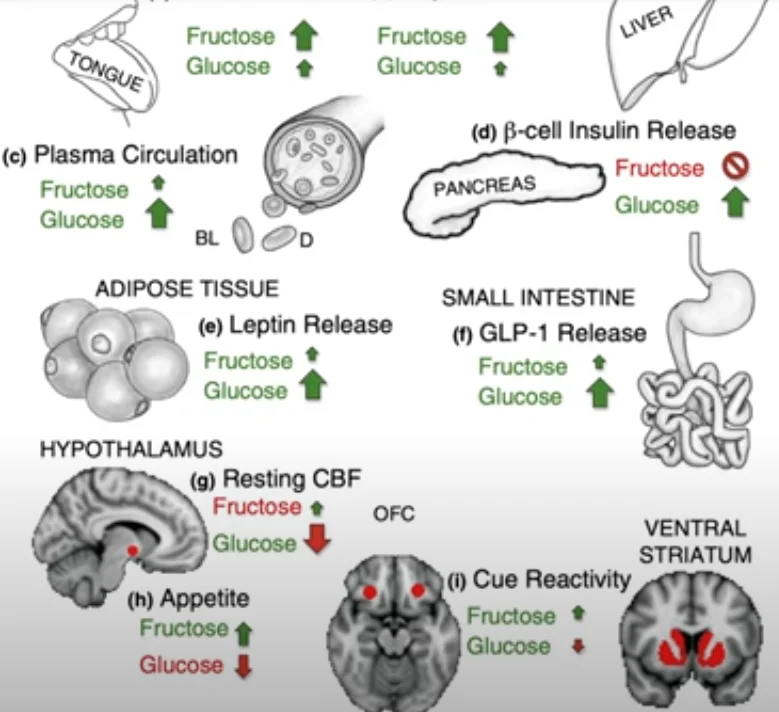
- Reset their metabolism without drugs
Many followers say their sugar levels normalize, especially those with prediabetes or insulin resistance. They also report better sleep, clearer skin, and fewer headaches.
The science behind these benefits is well-documented. When insulin levels fall during the fasting state, the body activates a cellular cleanup process called autophagy—essentially a form of self-repair where cells recycle damaged proteins and dysfunctional components. A landmark study by researcher Yoshinori Ohsumi, which earned the 2016 Nobel Prize in Physiology, confirmed that fasting robustly triggers autophagy in human cells. For adults over 50, this process is especially meaningful because autophagy declines with age and has been linked to the prevention of neurodegenerative diseases, cardiovascular problems, and even certain cancers.
Energy stability is another powerful benefit that resonates with older adults who experience the classic afternoon energy crash. When your metabolism shifts from burning sugar to burning fat, energy supply becomes more consistent—fat stores are a virtually unlimited fuel source compared to the limited glycogen in the liver. Clinical observations from Dr. Fung’s own practice with over 1,000 patients showed that most experienced measurable improvements in fasting blood glucose within the first four to six weeks of following this protocol, with many being able to reduce or eliminate diabetes medications under medical supervision.
Dr. Fung Diet and American Lifestyles
One of the best things about this plan? It’s simple enough to follow—even in the U.S. where fast food and sugar temptations are everywhere.
Here’s how Americans are tweaking the Fung method:
- Using meal prep for insulin control
- Drinking zero-calorie electrolytes during fasts

- Joining online groups for natural fat loss accountability

- Practicing weekend fasting windows to reset after cheat days

You don’t have to give up your entire lifestyle. You just need to shift your habits gradually. That’s the power of a natural weight fix method rooted in science.
Adapting this plan to an American lifestyle is very doable with a little planning. Sunday meal prep is a game-changer—spending two hours cooking batches of roasted vegetables, hard-boiled eggs, grilled chicken, and portioned nuts means you have compliant foods ready when hunger strikes during your eating window. When dining out, most restaurants can accommodate requests for protein with vegetables instead of bread or pasta, and grilled options are almost always available. Social situations are easier to manage when you plan your eating window around events rather than the other way around.
Electrolyte balance during fasting is particularly important for older adults, who are more prone to dehydration and electrolyte imbalances. During a fast, sodium, potassium, and magnesium can be depleted more quickly. A pinch of sea salt in water, a magnesium supplement, or a zero-sugar electrolyte drink can prevent the fatigue and muscle cramps that sometimes discourage people in the early days of fasting. The American Journal of Clinical Nutrition notes that electrolyte management significantly improves fasting adherence and comfort, especially in adults over 55.
Tips to Succeed with This Diet
- Don’t obsess over scales. Focus on waist size, energy, and how your clothes fit.
- Track your fasts with a journal or app. Consistency builds results.
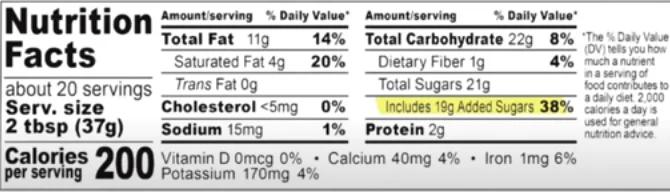
- Avoid hidden sugars. Check labels for syrups and sweeteners.
- Hydrate constantly. Water supports detox and makes fasting easier.
- Listen to your body. If you’re lightheaded or dizzy, break your fast with bone broth.
Building a sustainable routine is the most important factor for long-term success on Dr. Fung’s plan. Start with a 12-hour fast if 16 hours feels daunting—simply closing the kitchen after dinner at 7 pm and not eating until 7 am is a 12-hour fast most people do naturally. Gradually extend by an hour each week until you reach your target window. For people over 60, starting slowly is especially wise, as the body needs time to adapt to using fat as its primary fuel source without triggering stress hormones.
Tracking progress beyond the scale is critical. Take monthly waist measurements—the measurement at the navel is a better metabolic health indicator than body weight alone. A waist circumference below 35 inches for women and 40 inches for men significantly reduces risk of type 2 diabetes and heart disease according to the American Heart Association. Many followers of Dr. Fung’s method notice their waistline shrinking even when the scale moves slowly, which is a reliable sign that visceral (belly) fat is being burned. Keep a simple journal noting energy levels, sleep quality, hunger patterns, and mood—these non-scale victories are often more motivating than pounds lost.
Is Dr. Fung’s Diet Safe?
For most people, yes. But if you’re pregnant, underweight, or taking medications for blood sugar, talk to your doctor first. The diet focuses on natural insulin lowering, so meds might need adjustment as your body heals.
There are a few specific groups of older adults who should approach this plan with extra caution. People taking insulin or sulfonylurea medications (such as glipizide or glyburide) face a real risk of hypoglycemia if they fast without adjusting their doses—this is not something to manage alone. Those with a history of eating disorders, kidney disease requiring specific fluid and electrolyte management, or adrenal insufficiency should also consult their physician before starting. For everyone else, a conversation with your doctor that includes sharing Dr. Fung’s published work (his books The Obesity Code and The Diabetes Code are excellent references) can help create a safe, medically-monitored plan.
For the majority of healthy seniors, the risks are minimal when the plan is followed sensibly. Clinical trials on intermittent fasting in older adults, including a 2022 study published in Nutrients, found the approach to be well-tolerated and effective for improving body composition and metabolic markers with no adverse effects on muscle mass when protein intake was adequate. The key safety factors are adequate hydration, sufficient protein at each meal, and gradual adaptation rather than jumping into extended fasting immediately.
Final Thoughts: A Real Reset for Real People
Dr. Jason Fung’s diet plan isn’t magic—it’s metabolic science. By focusing on when you eat and what you eat, it gives your body the chance to heal itself. Whether you’re aiming to reverse type 2 diabetes, flatten your belly, or just feel more alive, this approach is worth exploring.
No shakes, no gimmicks, no starvation—just clean, strategic eating and natural fasting windows.
If you’re tired of trendy diets and ready for a sustainable lifestyle shift, this slow insulin reset plan could be the turning point you’ve been waiting for.
The most encouraging aspect of Dr. Fung’s approach for older adults is that it actually gets easier with time. The first week may involve some hunger and adjustment, but by week three most people find that their appetite has genuinely changed—they’re less hungry, their energy is more stable, and cravings for sugar and snacks diminish significantly. This isn’t willpower; it’s physiology responding to a lower insulin environment. Thousands of adults in their 50s, 60s, and even 70s have used this method to achieve meaningful weight loss and metabolic improvements, many reversing conditions they’d been told were permanent. The science is solid, the approach is practical, and the starting point is simply your next meal.
Frequently Asked Questions (FAQs)
1. Can you lose belly fat with Dr. Jason Fung’s fasting plan?
Yes, many people notice belly fat reduction after a few weeks of following Dr. Fung’s method. The key is sticking to time-restricted eating and avoiding insulin-spiking foods like refined carbs and sugary snacks. Belly fat is usually linked to high insulin levels, and this plan naturally helps lower them.
2. What foods should I avoid on the Jason Fung diet?
Avoid anything that causes your insulin to spike. This includes:
- White bread and pasta
- Fruit juices and sodas
- Breakfast cereals
- Most processed snacks
Instead, focus on real food—healthy fats, protein, and low-carb vegetables.
3. Is Dr. Fung’s diet safe for older adults?
Yes, it can be safe for people over 50 or even 60, especially if they’re dealing with insulin resistance or slow metabolism. However, older adults should start slowly, stay hydrated, and check with their doctor before making changes to medications or meal patterns.
4. How long does it take to see results with Dr. Fung’s plan?
Some people notice improved energy and less bloating within a few days. Visible weight loss may take 2 to 4 weeks, depending on your starting point and consistency. If you stick to the natural meal windows and avoid snacking, results usually come sooner.
5. Can I drink coffee while fasting?
Yes, black coffee is allowed during fasting hours. In fact, it may help suppress appetite. Just avoid adding sugar, creamers, or milk, as these can break your fast and spike insulin levels.
6. What is the best intermittent fasting schedule Dr. Fung recommends?
A common plan is 16:8—fast for 16 hours and eat within an 8-hour window. For those with more weight to lose or stubborn insulin resistance, Dr. Fung often suggests trying 18:6 or even 24-hour fasts a few times a week. Always start slow if you’re new.
7. Is snacking allowed in the Jason Fung diet plan?
No, snacking is discouraged. Each time you eat, your body releases insulin. Frequent snacking can stop fat burning. Instead, eat satisfying meals that keep you full for hours, and allow your body to rest in between.
8. Can I follow the Fung plan without going full keto?
Yes, the diet doesn’t require going ketogenic. While some people combine intermittent fasting with keto, it’s not necessary. The main focus is on insulin control—this can be achieved with balanced low-carb meals without being in ketosis.
9. Will I lose muscle on Dr. Fung’s diet?
No, as long as you’re eating enough protein during your eating windows, your body will preserve muscle. Fasting triggers human growth hormone, which helps protect lean muscle mass even during weight loss.
10. Does the Fung diet help with type 2 diabetes naturally?
Yes, many people have reversed early-stage type 2 diabetes using this approach. The combination of insulin-friendly meals and fasting helps bring blood sugar levels back into a healthy range. Always work with your doctor if you’re on medication.
11. Can women follow Dr. Fung’s fasting plan?
Absolutely. Women of all ages follow this plan successfully. Some women adjust their fasting schedule around their menstrual cycle or during menopause for better hormonal balance and comfort.
12. What is the “fat-burning fasting hour” Dr. Fung mentions?
This is the time after your body has used up stored sugar and starts breaking down fat for energy. For most people, this kicks in around 12–14 hours into a fast. That’s why going 16 hours without eating can be so effective for burning fat naturally.
13. Is it okay to fast every day on the Jason Fung plan?
Yes, many people fast daily using the 16:8 or 18:6 method. However, it’s also okay to mix things up. Some followers use alternate-day fasting or 5:2 plans. The goal is to reduce insulin spikes and give your body time to burn fat.
⚕️ Medical Disclaimer
The information provided on this page is for educational purposes only and is not intended as medical advice, diagnosis, or treatment. Always consult a qualified healthcare professional before making changes to your diet, starting any supplement, or if you have an existing medical condition. KeepFitQuote does not provide medical diagnoses or treatment recommendations. Read our full disclaimer.
Related Posts







UowZIEmmtzGqtrwTCfCMNhRb