Methylene blue might sound like something out of a chemistry lab — and it originally was. But this deep-blue compound has attracted serious scientific attention for its potential to support mitochondrial function, cognitive performance, and healthy aging. From its roots as a medical dye to its emerging role in brain optimization, methylene blue (MB) is one of the more fascinating compounds at the intersection of medicine and modern biohacking.
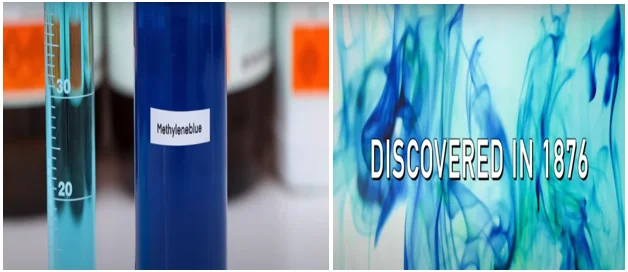
Understanding methylene blue requires stepping back from its unconventional appearance — it literally turns urine blue at higher doses — and examining its biochemistry. Discovered in 1876 by Heinrich Caro and introduced into clinical medicine by Paul Ehrlich in the 1890s, methylene blue has a longer history of medical use than nearly any other compound still in active clinical practice. It is on the World Health Organization’s List of Essential Medicines as a treatment for methemoglobinemia — a condition where hemoglobin cannot effectively carry oxygen. But the modern interest in MB extends far beyond this established use, into areas of mitochondrial medicine, neurodegeneration prevention, and cognitive enhancement, where its unique redox properties make it a compound unlike almost anything else in the supplement landscape. This guide explores the evidence behind each of these applications, with appropriate context about what is established, what is emerging, and what remains speculative.
Table of Contents
- 🧬 What Is Methylene Blue?
- 🔋 Methylene Blue and Cellular Energy
- Synergistic Supplements
- 🧠 Brain Optimization and Nootropic Potential
- Related Nootropics
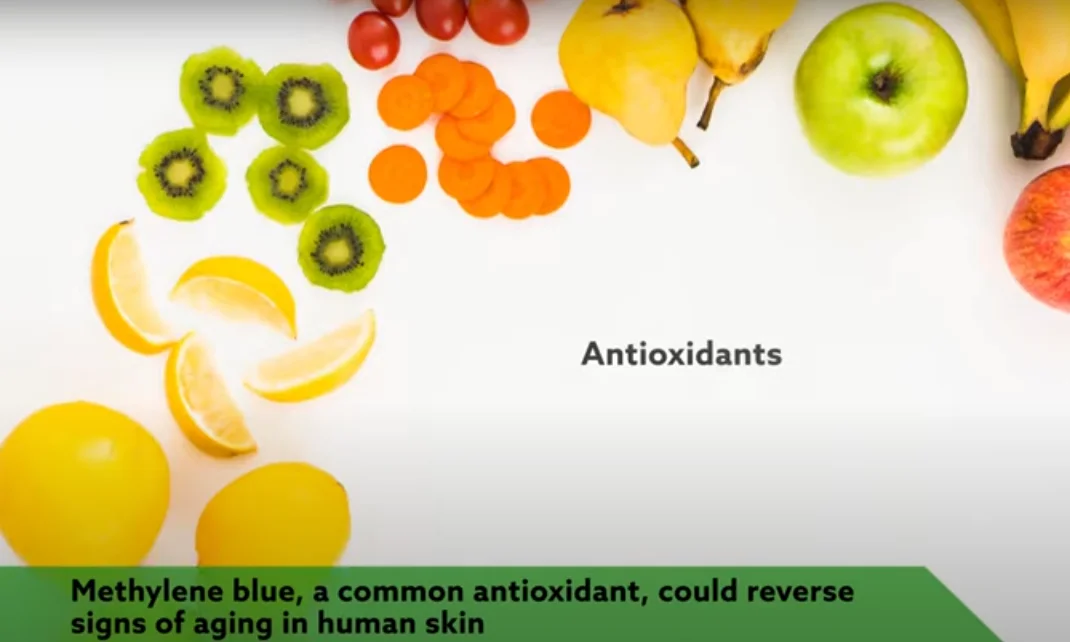
- 🛡️ Antioxidant and Anti-Inflammatory Support
- 🌿 Antioxidants in Skincare & Diet
- Antioxidant-Rich Foods
- 🧪 Best Nootropic Stacks With Methylene Blue
- 🥗 Top Foods to Pair With Methylene Blue
- 🧠 Final Thoughts: Should You Try It?
- More Reads
🧬 What Is Methylene Blue?
Methylene blue (MB) was first used as a dye and later found to be a potent antimicrobial agent. Today, it’s FDA-approved for treating methemoglobinemia and is being studied for its effects on mitochondrial function, memory, and mood. At low doses, it acts as a cellular antioxidant and electron carrier — essentially helping the body’s cells generate energy more efficiently.
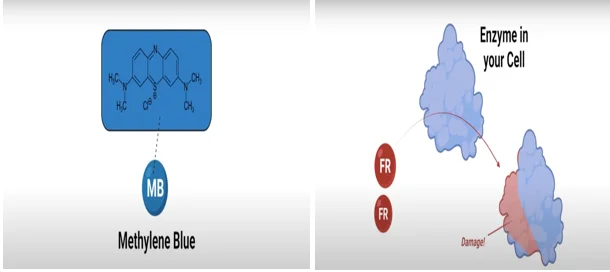
At the biochemical level, methylene blue works primarily by acting as an alternative electron carrier in the mitochondrial electron transport chain — the cellular machinery responsible for generating ATP (adenosine triphosphate), the body’s primary energy currency. Normally, electrons flow through a series of protein complexes (Complex I through IV) to ultimately reduce oxygen to water and drive ATP synthesis. When any part of this chain is damaged or inefficient, electrons “leak” and react with oxygen to form reactive oxygen species (free radicals) that damage cellular components. Methylene blue can accept electrons and donate them to cytochrome c (bypassing damaged complexes), effectively keeping the chain flowing and ATP production running even when individual components are compromised. This mechanism is particularly relevant to aging — mitochondrial dysfunction is one of the nine hallmarks of biological aging identified by leading researchers, and the brain’s neurons are especially vulnerable because they cannot be replaced and depend almost entirely on mitochondrial ATP for their function. A 2017 study published in Redox Biology found that methylene blue treatment significantly improved mitochondrial function and reduced oxidative damage in aging cell models, providing a plausible mechanistic basis for the cognitive and energy benefits reported by users.
🔋 Methylene Blue and Cellular Energy
Low on energy? You’re not alone. Many people experiencing low energy levels — whether from aging, burnout, or mitochondrial inefficiency — are exploring options beyond caffeine and conventional supplements. Methylene blue may help by optimizing the mitochondrial electron transport chain, increasing ATP output, and reducing oxidative stress that robs cells of their energy-producing capacity.
The connection between mitochondrial health and experienced energy — the subjective feeling of vitality and mental stamina throughout the day — is well established in mitochondrial medicine. Mitochondria are not merely power plants; they are signaling hubs that influence hormone production, immune function, calcium regulation, and programmed cell death. When mitochondrial function declines, the downstream effects are broad: fatigue, cognitive fog, muscle weakness, impaired recovery from physical exertion, and reduced stress tolerance. Research on methylene blue’s energy-supporting properties has focused particularly on its ability to increase cellular respiration — the rate at which cells consume oxygen to produce ATP — at very low concentrations (nanomolar to micromolar range). A landmark paper by Rodriguez et al. (2000) in Pharmacology, Biochemistry and Behavior demonstrated that low-dose methylene blue improved memory retention in rats through its effects on brain energy metabolism, a finding that has been replicated in multiple subsequent studies. For people experiencing the cognitive and physical fatigue that often accompanies midlife and beyond, the mitochondrial-support mechanism of MB represents a genuinely distinct mechanism from caffeine (which works through adenosine receptor antagonism) or adaptogens (which modulate the stress response), making it a potentially complementary rather than redundant addition to an energy-support strategy.
Synergistic Supplements:
- NMN and resveratrol
- Ubiquinol
- CoQ10
These three synergistic supplements share a common thread with methylene blue: they all target mitochondrial function through complementary mechanisms. NMN (nicotinamide mononucleotide) raises cellular NAD+ levels — the electron carrier that feeds into the same mitochondrial electron transport chain that MB supports. Resveratrol activates sirtuins, the protein family that regulates mitochondrial biogenesis (the creation of new mitochondria). Together, NMN and resveratrol essentially build more mitochondria and fuel them better, while methylene blue optimizes the electron flow within existing mitochondria. CoQ10 (ubiquinol is the active, reduced form) serves as the natural electron carrier between Complexes I/II and III — the same relay that methylene blue can substitute for or supplement. In people with CoQ10 depletion (common in statin users and older adults), supplementing CoQ10 alongside MB may produce synergistic improvements in mitochondrial efficiency. Clinical research on these combinations is still emerging, but the mechanistic rationale is compelling and each individual compound has its own evidence base for safety and tolerability at standard doses.
🧠 Brain Optimization and Nootropic Potential
Methylene blue is gaining momentum in the nootropics world for its potential to boost memory, clarity, and focus. Research suggests it may enhance acetylcholine activity (crucial for memory encoding), reduce amyloid beta accumulation (linked to Alzheimer’s pathology), and protect neurons from oxidative damage — a combination of properties that distinguishes it from most conventional nootropics.

The neurological effects of methylene blue have been studied in the context of both acute cognitive performance and long-term neuroprotection. In the acute category, a 2016 randomized controlled trial by Talley Watts et al. published in Advances in Psychotherapy found that a single low dose of MB improved sustained attention and short-term memory in healthy adults, effects attributed to increased cytochrome c oxidase activity in prefrontal and parietal cortex regions. For neuroprotection, the most compelling evidence involves methylene blue’s interaction with tau protein — the same protein that forms the neurofibrillary tangles characteristic of Alzheimer’s disease. Multiple preclinical studies have shown that MB inhibits tau aggregation and promotes its clearance, and clinical trials of methylene blue derivatives (particularly LMTX/TRx0237) have been conducted in Alzheimer’s patients by TauRx Therapeutics. While the large Phase III trial results were mixed, the tau-targeting mechanism remains one of the most scientifically grounded hypotheses in Alzheimer’s drug development. For the general population seeking cognitive support rather than disease treatment, the practical implication is that very low dose MB — in the 0.5 to 4 mg range, far below clinical doses — may support the kind of memory consolidation and mental clarity that makes a meaningful difference in daily cognitive performance.
It’s commonly discussed on platforms like Nootropics Reddit, Mind Lab Pro Reddit, and Alpha Brain Reddit — where users report noticeable effects on mood, focus, and word recall within 30–60 minutes of a low oral dose.
Related Nootropics:
- Adrafinil (Buy Online)
- Hydrafinil
- Sunifiram
🛡️ Antioxidant and Anti-Inflammatory Support
Oxidative stress contributes to aging and chronic illness. Methylene blue serves as a potent antioxidant at low concentrations — paradoxically, at higher doses it can become pro-oxidant, which underscores the critical importance of dose precision. At the right concentration, it scavenges superoxide radicals and hydrogen peroxide, reduces lipid peroxidation, and supports the glutathione antioxidant system.
The dose-dependent paradox of methylene blue’s antioxidant activity is one of the most important concepts for any consumer to understand. At nanomolar to low micromolar concentrations — corresponding to doses of approximately 0.5–4 mg in a human adult — MB acts as an antioxidant by donating electrons to neutralize reactive oxygen species. At higher concentrations, it can accept electrons from NADH in a way that actually increases superoxide production, shifting its profile from antioxidant to pro-oxidant. This biphasic (hormetic) dose-response curve is well-documented in the scientific literature and means that “more is not better” in a particularly literal biochemical sense. The anti-inflammatory component of MB’s activity is partly secondary to its antioxidant effects (since oxidative stress drives NF-κB activation and downstream cytokine production) and partly through direct inhibition of nitric oxide synthase — an enzyme that produces nitric oxide, which in excess drives neuroinflammation. A 2014 study in Free Radical Biology and Medicine found that low-dose MB significantly reduced neuroinflammatory markers in a rodent model of traumatic brain injury, supporting its potential as a neuroprotective anti-inflammatory agent at appropriate doses. For consumers, pharmaceutical-grade methylene blue (USP grade) from verified suppliers is essential, since industrial-grade MB may contain heavy metal contaminants that pose their own oxidative stress risks.
Complementary Antioxidants:
- Astaxanthin
- Glutathione
- Vitamin C
- Alpha Lipoic Acid
Each of these complementary antioxidants supports a distinct cellular compartment or mechanism, making them genuinely additive rather than redundant when combined with methylene blue. Astaxanthin is the only antioxidant capable of spanning the full lipid bilayer membrane, providing comprehensive protection to both inner and outer leaflets of cell membranes — a form of protection that water-soluble antioxidants like vitamin C cannot provide. Glutathione is the body’s master intracellular antioxidant, and MB actually supports glutathione’s recycling by reducing oxidized glutathione (GSSG) back to its active form (GSH) — a synergistic interaction that enhances the overall antioxidant capacity of both compounds simultaneously. Vitamin C regenerates oxidized vitamin E and supports glutathione synthesis, completing the antioxidant network. Alpha lipoic acid (ALA) is uniquely amphipathic — it functions in both water-soluble and fat-soluble environments — and has been shown to upregulate Nrf2, the master transcription factor that activates the body’s own antioxidant gene expression programs.
🌿 Antioxidants in Skincare & Diet
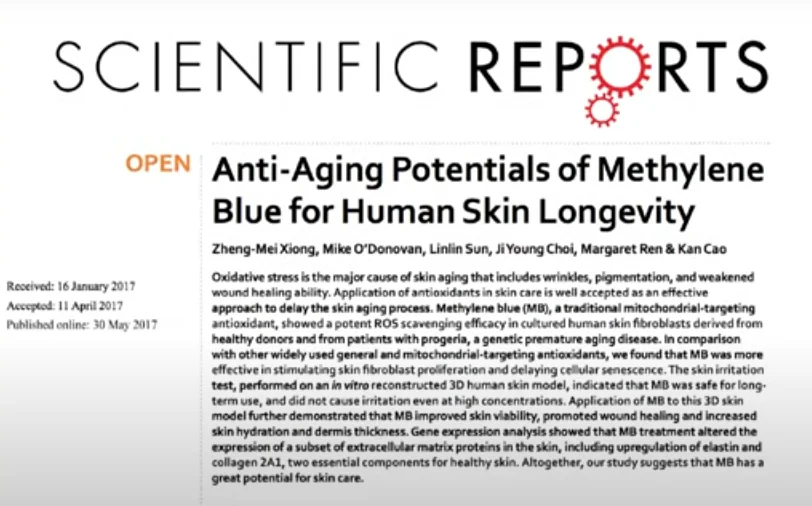
MB may support collagen production and reduce UV-induced skin damage. Combined with skincare antioxidants like vitamin C serum, niacinamide, and retinol, it may offer synergistic anti-aging effects at the cellular level. Early research in skin fibroblasts has shown that MB can increase proliferation of aging skin cells and boost antioxidant gene expression, suggesting potential applications in dermatology.
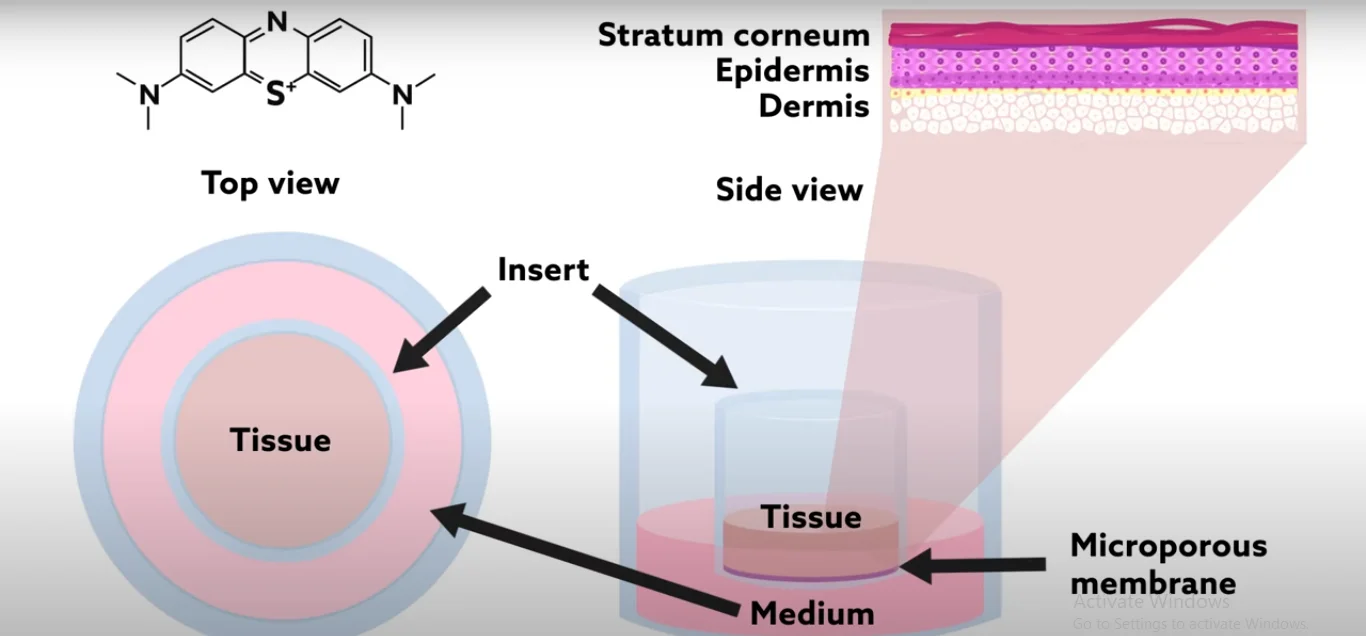
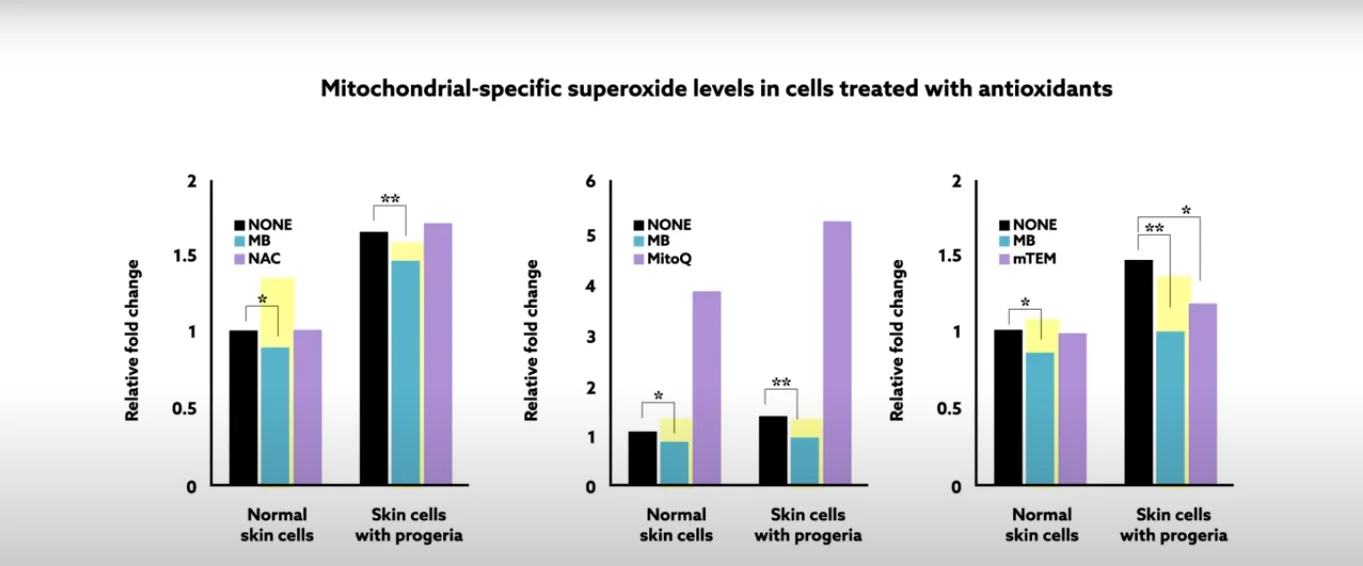
The dermatological application of methylene blue is one of the most actively developing areas of MB research. A 2017 study published in Scientific Reports by Bhanu Bhanu Bhanu et al. from the University of Maryland found that nanomolar concentrations of methylene blue significantly improved the fitness of both young and old skin fibroblast cells, increased collagen and elastin production, and reduced cellular markers of oxidative stress. Crucially, the effects were most pronounced in aged cells, suggesting that MB may have particular value as a skin anti-aging agent for the demographic it matters most to. The antioxidant gene expression effects — specifically Nrf2 pathway upregulation — provide a mechanism by which MB applied topically or taken systemically could reduce the UV-induced oxidative damage that drives photoaging (sun-related skin aging). In practical skincare terms, this would work synergistically with topical vitamin C (which directly neutralizes free radicals at the skin surface), niacinamide (which supports the skin barrier and reduces hyperpigmentation), and retinol (which drives cell turnover and collagen remodeling). MB-based topical products are emerging in the market, though quality, concentration, and formulation vary significantly. Consulting a dermatologist before adding any MB-containing topical is advisable, particularly for people with sensitive skin or rosacea.
Antioxidant-Rich Foods:
- Wild blueberries
- Acai berries
- Tomatoes (for lycopene)
- Green tea (EGCG)
- Pomegranate
Explore a full list of foods high in antioxidants.
These five foods are among the most researched dietary sources of polyphenolic antioxidants, and each targets oxidative stress through distinct compound families that complement methylene blue’s mitochondrial antioxidant mechanism. Wild blueberries contain the highest anthocyanin concentrations of any commonly available fruit — anthocyanins cross the blood-brain barrier and accumulate in brain regions associated with memory and learning, where they reduce neuroinflammation and support synaptic plasticity. Acai berries provide proanthocyanidins and resveratrol alongside their anthocyanins, offering a particularly broad-spectrum polyphenol profile. Lycopene from cooked tomatoes is one of the most potent lipophilic antioxidants in the human diet, with particularly strong evidence for protection against mitochondrial DNA oxidative damage. Green tea’s EGCG (epigallocatechin gallate) is the most studied polyphenol for neuroprotection and activates many of the same Nrf2 pathways that MB supports. Pomegranate’s punicalagins are converted by gut bacteria to urolithins — compounds that have been shown in clinical trials to improve mitochondrial function and muscle endurance in older adults, creating a direct food-based complement to MB’s mitochondrial effects.
🧪 Best Nootropic Stacks With Methylene Blue
If you’re interested in biohacking, MB pairs well with:
- Adrafinil supplement stacks
- NeuroGum
- Phenylpiracetam Hydrazide
- PRL-853
These combos may help improve motivation, focus, and learning — especially if you’re navigating burnout or cognitive fatigue.
Building a nootropic stack requires understanding not just the individual compounds but how they interact mechanistically. Methylene blue’s mitochondrial-support and acetylcholine-adjacent mechanisms make it a foundational “bottom of the stack” ingredient — something that improves cellular energy availability for all other cognitive processes, rather than directly stimulating a single neurotransmitter system. This makes it a useful complement to compounds that work through specific receptor systems: racetams like phenylpiracetam work partly through acetylcholine receptor upregulation and glutamate modulation, and the additional cellular energy MB provides may enhance the effectiveness of these receptor-level effects. Eugeroics like adrafinil (a prodrug of modafinil) promote wakefulness through orexin system activation and norepinephrine reuptake inhibition — mechanisms entirely different from MB’s mitochondrial action, making the combination synergistic rather than redundant. For anyone building a stack that includes methylene blue, the guiding principle is to start with MB alone at a very low dose (0.5–1 mg), assess individual response, and add complementary compounds one at a time over several weeks, monitoring carefully for any adverse effects. Stack complexity is not inherently valuable; clarity of mechanism and individual tolerability are.
🥗 Top Foods to Pair With Methylene Blue
Eating the right foods enhances MB’s effects:
- Spinach & kale
- Blueberries
- Grapes
- Dark chocolate (flavanols)
- Onions (quercetin)
The foods on this list share a common thread: they are all rich sources of polyphenols and other compounds that support mitochondrial function through mechanisms that complement rather than duplicate methylene blue’s electron-carrier effects. Spinach and kale are exceptional sources of coenzyme Q10 (particularly spinach), nitrates that support nitric oxide production and mitochondrial efficiency, and magnesium — a mineral that is a required cofactor for more than 300 enzymatic reactions, including those involved in ATP synthesis. Grapes provide resveratrol (particularly in the skin) and pterostilbene — a more bioavailable resveratrol analog that activates sirtuin pathways. Dark chocolate (minimum 70% cacao) delivers flavanols that improve cerebral blood flow through endothelial nitric oxide synthase activation, increasing the oxygen and glucose delivery to neurons that use MB’s enhanced ATP production capacity. Onions’ quercetin has been shown in preclinical research to enhance SIRT1 activity and reduce mitochondrial DNA oxidative damage. A practical daily approach: a breakfast of spinach eggs with blueberries, an afternoon square of dark chocolate, and an onion-rich dinner creates a consistent daily dose of mitochondria-supporting food polyphenols that synergize with methylene blue’s direct cellular effects.
🧠 Final Thoughts: Should You Try It?
If you’re aiming to boost brain function, fight fatigue, and support healthy aging, methylene blue may be worth exploring — but with important caveats. The science is promising but much of it is preclinical. Quality and dose matter enormously: pharmaceutical-grade MB at very low doses (0.5–4 mg) is the range studied for cognitive and mitochondrial benefits, while higher doses carry risks including serotonin syndrome when combined with serotonergic medications. As always, consult with your doctor before starting any new supplement regimen.
The serotonin syndrome risk deserves particular emphasis for anyone considering methylene blue. Methylene blue is a monoamine oxidase inhibitor (MAOI) — it inhibits the enzyme that breaks down serotonin in the brain. This means that combining MB with SSRIs, SNRIs, tricyclic antidepressants, linezolid, or other serotonergic medications can produce dangerously elevated serotonin levels, a medical emergency. This is not a theoretical risk — the FDA issued a Drug Safety Communication in 2011 specifically warning about this interaction, and multiple clinical cases have been documented. Anyone taking any psychiatric medication, migraine medication (triptans), or pain medication (tramadol, meperidine) must consult their physician — ideally a physician familiar with methylene blue’s pharmacology — before considering MB supplementation. For people who are not taking serotonergic medications, the risk profile at low doses (under 4 mg) is generally considered favorable, though individual variation exists and professional guidance is always appropriate when exploring compounds outside conventional medicine. The most responsible approach: start a conversation with a knowledgeable physician, approach with curiosity and appropriate caution, and remember that no single compound — however intriguing its mechanism — is a substitute for the foundational practices of sleep, movement, whole-food nutrition, and stress management that underpin all long-term health and cognitive vitality.
More Reads:
- Top 40 Antioxidant Foods Ranked
- Benefits of Taking CoQ10
- Resveratrol and NMN: The Dynamic Duo
- Foods High in Flavonoids
⚕️ Medical Disclaimer
The information provided on this page is for educational purposes only and is not intended as medical advice, diagnosis, or treatment. Always consult a qualified healthcare professional before making changes to your diet, starting any supplement, or if you have an existing medical condition. KeepFitQuote does not provide medical diagnoses or treatment recommendations. Read our full disclaimer.
Related Posts