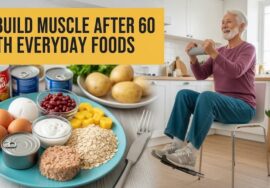
When it comes to losing weight, protein plays a vital role in preserving muscle mass while promoting fat loss. The key is to choose high-protein, low-calorie foods that help keep you full and satisfied. In this guide, we’ll explore various sources of low-calorie proteins, including egg whites, lean meats, and plant-based options, while incorporating some unique and interesting protein sources.
For adults over 50, this topic carries extra weight—quite literally. Starting in our 30s, we naturally begin to lose 3-8% of our muscle mass per decade, a process called sarcopenia that tends to speed up after age 60. This muscle loss isn’t just a cosmetic concern: less muscle means a slower metabolism, reduced strength for everyday tasks like carrying groceries or climbing stairs, and a higher risk of falls and fractures. Research published in the American Journal of Clinical Nutrition has found that older adults often need more protein per pound of body weight than younger adults to maintain the same amount of muscle, since the body becomes less efficient at using dietary protein to build and repair tissue—a phenomenon researchers call “anabolic resistance.” That’s where low-calorie, high-protein foods become especially valuable. They let you meet these higher protein needs without piling on excess calories, which matters if you’re also trying to manage your weight, blood sugar, or cholesterol. Spreading protein intake across three meals, rather than concentrating it at dinner as many people do, has also been shown to support better muscle maintenance in older adults.




Table of Contents
Egg Whites: A Protein Powerhouse
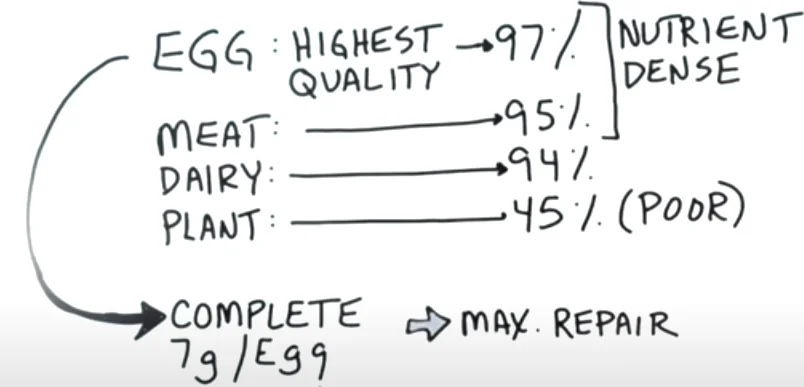
Egg whites are one of the best low-calorie protein sources. They are high in protein and virtually fat-free. Here are some essential egg white facts:
- 1 egg white contains about 3.6g of protein and only 17 calories.
- 1 cup egg white nutrition provides approximately 26g of protein.
- 100g egg white protein is around 11g.
- Egg white mix and two chicks egg white are great ready-to-use options.
- You can buy egg whites or use frozen egg whites for convenience.
- Egg albumen (or egg albumin) is the primary protein in egg whites.
- Dehydrated egg white and aged egg whites are available for different culinary uses.

If you’re looking for a convenient way to incorporate egg whites into your diet, egg whites for sale can be found in most grocery stores. 1 large egg white protein is a quick way to boost your intake without excess calories.
Many older adults remember being told to limit eggs because of cholesterol concerns, but research over the past two decades has substantially softened that guidance for most people. The cholesterol in food has a much smaller effect on blood cholesterol than once believed, and for most healthy adults, moderate whole-egg consumption doesn’t significantly raise cardiovascular risk. Still, if you’ve been advised by your doctor to watch your dietary cholesterol—often the case with certain heart conditions or diabetes—egg whites give you a way to enjoy eggs without the concern, since virtually all of an egg’s cholesterol and fat live in the yolk. A practical tip for seniors living alone: pre-portioned cartons of liquid egg whites keep for weeks in the refrigerator and can be poured directly into a pan, making it easy to whip up a quick scramble or omelet without cracking and separating multiple eggs. Pairing egg whites with a slice of whole-grain toast or some sautéed vegetables rounds out the meal with fiber and micronutrients that egg whites alone don’t provide.
Lean Meats: Best Low-Calorie Animal Proteins
While fatty cuts of beef should be avoided, there are plenty of lean meat options:
- 4 oz lean ground beef contains about 24g of protein and 6g of fat.
- Lean beef steak cuts such as sirloin steak fatty have minimal fat content.
- Most lean cuts of steak and most lean cuts of beef provide high-quality protein.
- Brisket lean is a good option, but beef brisket lean should be chosen carefully for lower fat content.
Lean red meat offers something that plant foods and egg whites can’t fully replicate: highly bioavailable iron and vitamin B12, both of which become harder for the body to absorb efficiently as we age. Reduced stomach acid production, common after 50, can interfere with B12 absorption from food, which is why some older adults develop deficiencies even when their diet seems adequate. A 2020 review in the journal Nutrients highlighted that B12 deficiency in seniors is often under-recognized, with symptoms like fatigue, memory issues, and tingling in the hands and feet sometimes mistaken for normal aging. Choosing lean cuts and trimming visible fat before cooking keeps saturated fat in check while preserving these nutrients. Cooking methods matter too: grilling, broiling, roasting, or using an air fryer renders out fat without needing added oil, and slow-cooking tougher lean cuts like brisket in broth or with vegetables can make them tender enough for those with dental concerns. If you’re managing high blood pressure, choosing fresh cuts over processed or cured meats (bacon, sausage, deli meats) helps keep sodium intake in check, since processed meats are a major hidden source of sodium in the American diet.
Plant-Based Protein Options
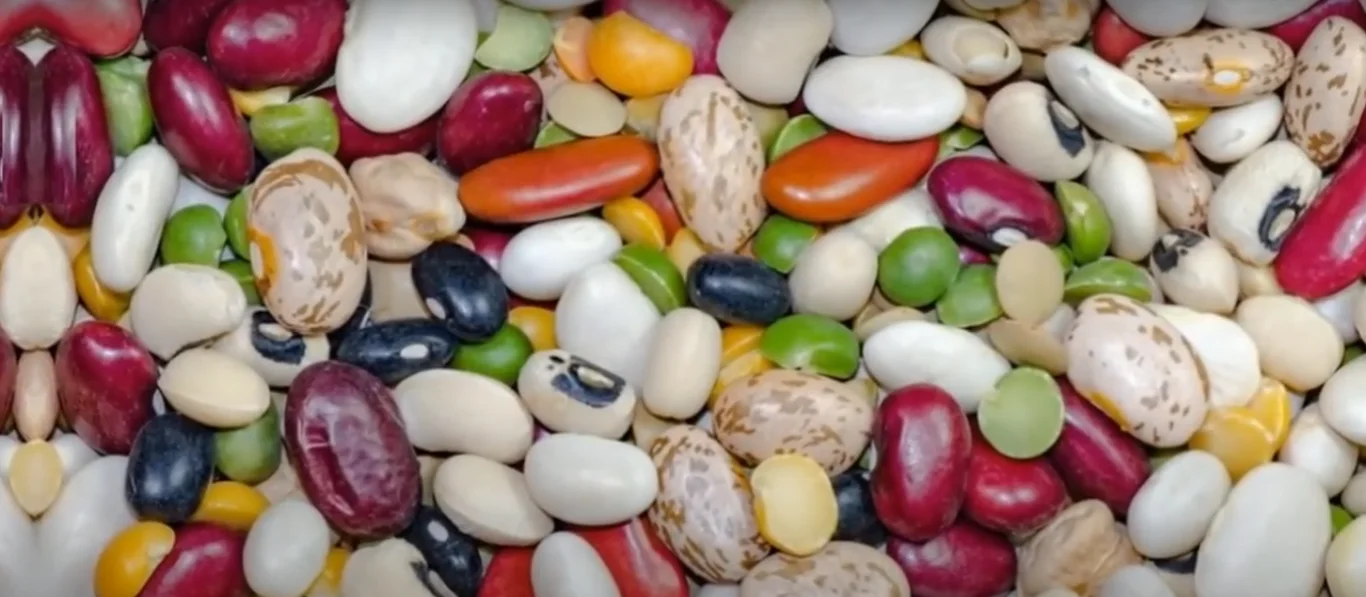
For those who prefer plant-based proteins, beans and peas are excellent choices:
- Cannellini beans, kidney bean salad, and white bean salad are great sources of fiber and protein.
- Garbanzo beans instant pot, cooked chickpeas, and vegan red beans and rice make for protein-rich meals.
- Different types of beans, including black bean corn avocado salad, butter bean salad, and italian bean salad, provide variety.
- Beans and greens, beans and sausage, and pinto beans and ham are flavorful and satisfying.
- Cooking beans in an instant pot is a great way to prepare them quickly.
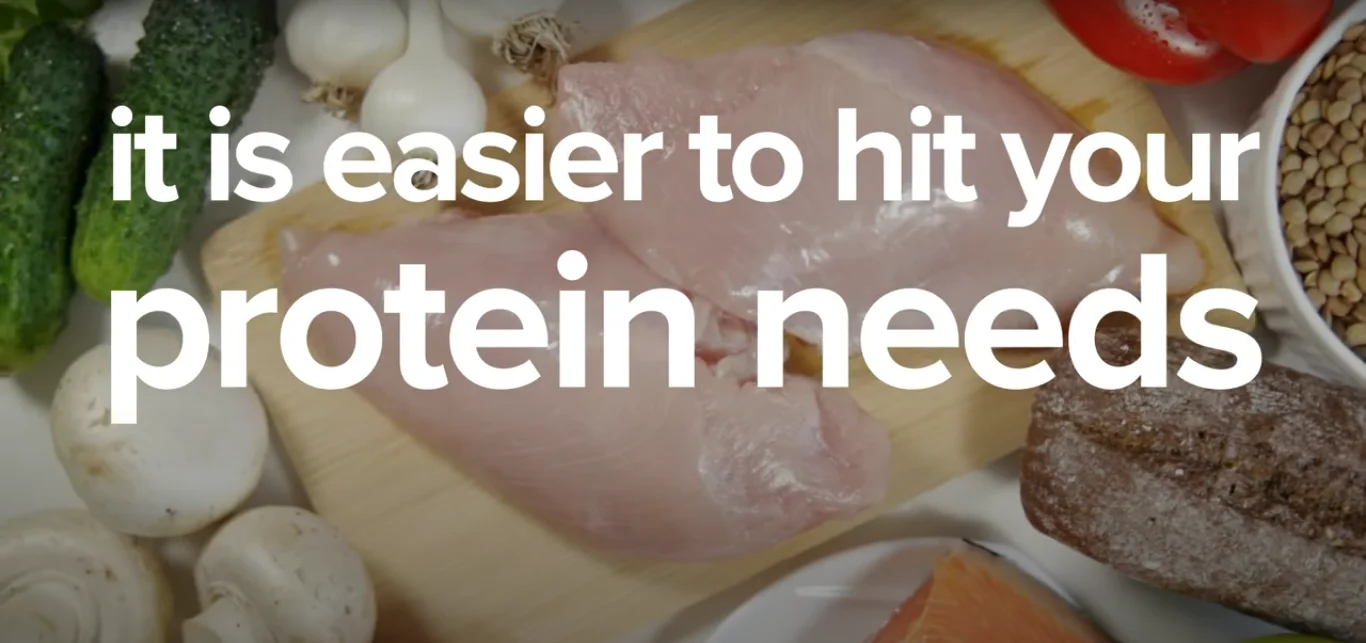
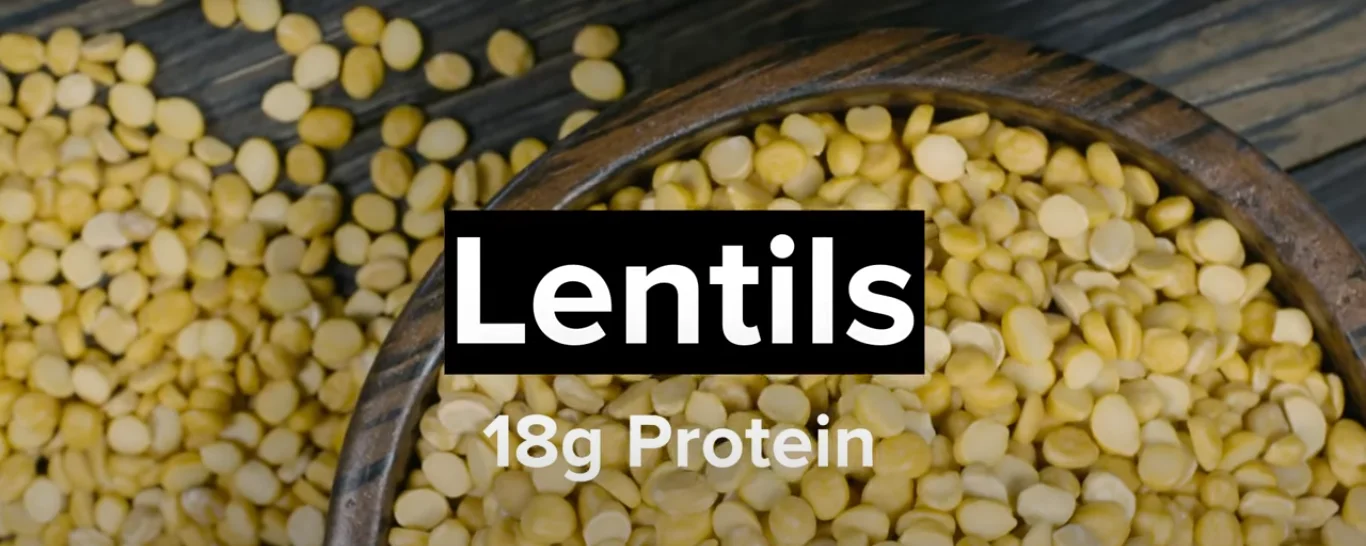
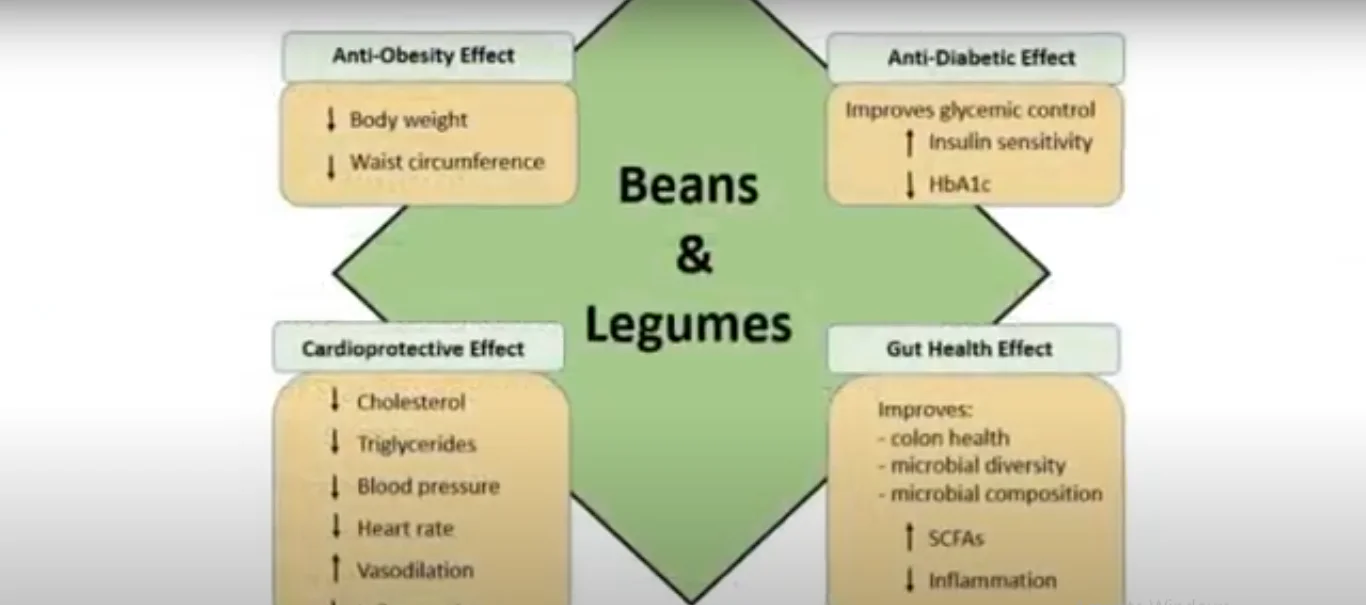
Beans and legumes offer a unique nutritional advantage for older adults: they pair protein with substantial amounts of soluble fiber, which most Americans over 50 don’t get enough of. The current recommendation is around 25-30 grams of fiber per day, yet average intake among seniors is often closer to half that. A cup of cooked beans can provide 12-15 grams of fiber along with 13-15 grams of protein, supporting both digestive regularity—a common concern with aging—and steadier blood sugar levels, since fiber slows the absorption of carbohydrates. Research from a large meta-analysis published in the Journal of the American Heart Association also linked regular legume consumption to modest reductions in LDL cholesterol. One practical note: if beans aren’t a regular part of your diet, introduce them gradually and drink plenty of water, as a sudden increase in fiber can cause temporary bloating or gas. Rinsing canned beans thoroughly can reduce both sodium content and some of the compounds that cause digestive discomfort. Combining beans with a small amount of animal or dairy protein, as in a chili with lean ground beef or a bean salad with feta, can also help round out the amino acid profile for those who eat plant proteins less frequently.
Peas are another fantastic low-calorie protein source:
- Green chickpeas, mangetout peas, and asian beans are great options.
- Cooking fresh green beans, cooking snap peas, and cooking frozen peas ensures maximum nutrition.
- Air fryer frozen green beans and air fryer snap peas make excellent crispy, healthy snacks.
- Mushy peas from frozen peas and british mushy peas are popular in various cuisines.
Dairy and Yogurt for Protein
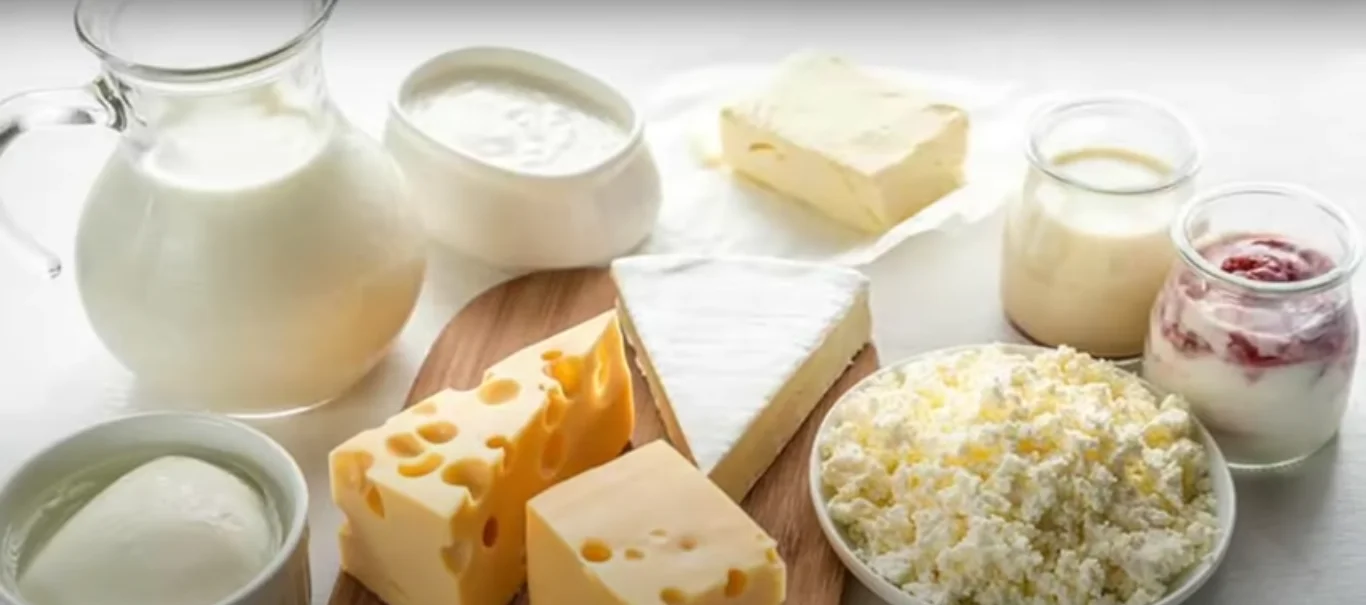
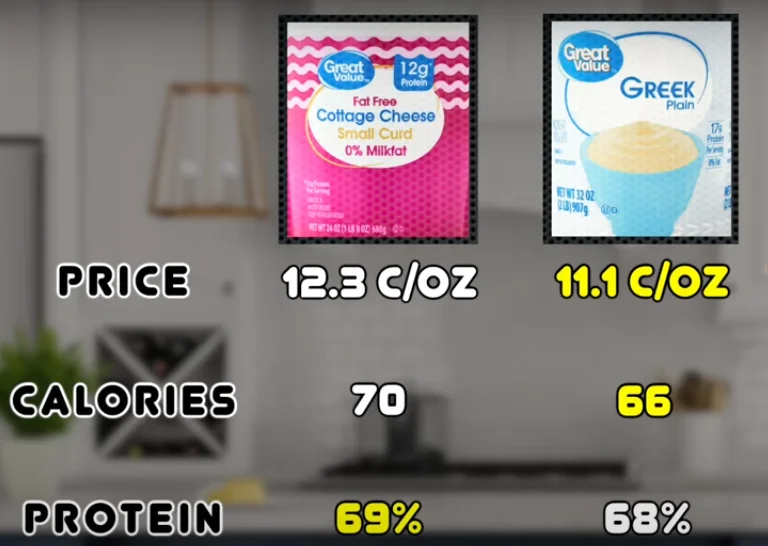
- Low-fat lactose-free cottage cheese and 1/2 cup low-fat cottage cheese calories provide protein without excess fat.
- Trader Joe’s nonfat Greek yogurt nutrition and Kirkland Greek yogurt nutrition facts are high in protein and low in calories.
- Aldi nonfat Greek yogurt nutrition and plain Greek yogurt Trader Joe’s are excellent low-calorie dairy options.
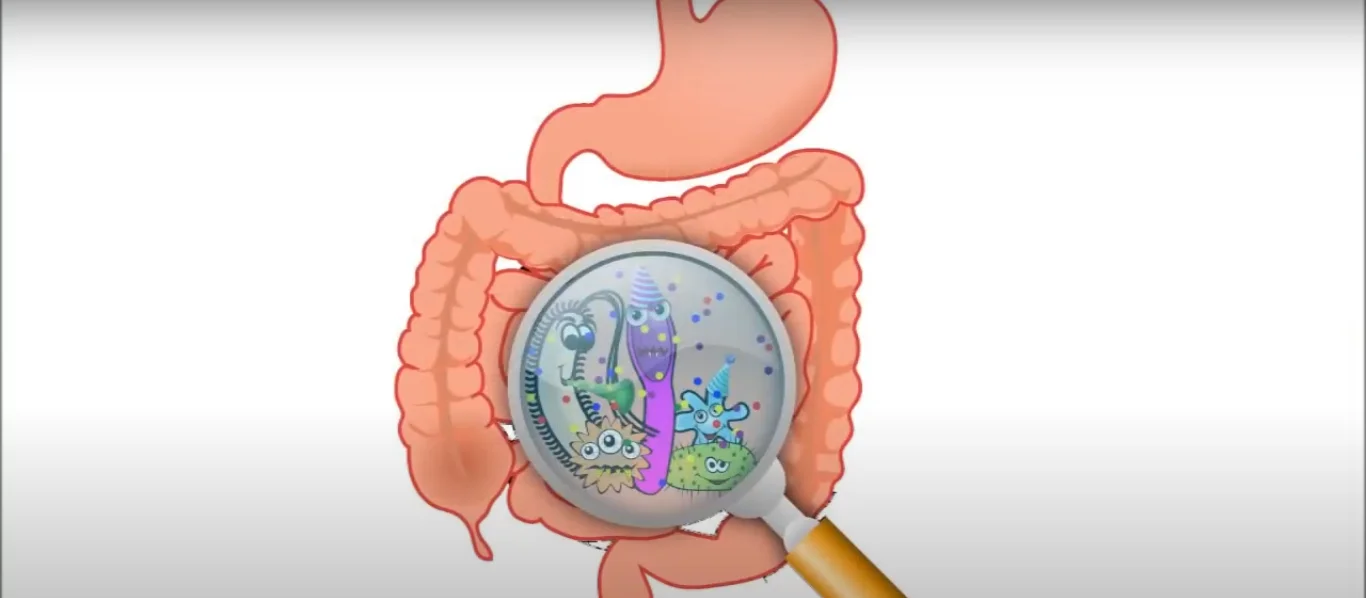
Dairy deserves special attention for readers over 50 because it delivers a combination that’s hard to find elsewhere: protein alongside calcium and vitamin D, both critical for maintaining bone density as the risk of osteoporosis rises with age. Greek yogurt, in particular, often contains nearly double the protein of regular yogurt for a similar calorie count, thanks to the straining process that removes excess liquid whey. The live cultures in yogurt—look for labels mentioning “live and active cultures”—also support gut health, which research increasingly links to immune function and even mood regulation in older adults. For the estimated 30-50% of older adults who experience some degree of lactose intolerance, lactose-free cottage cheese and Greek yogurt (which has less lactose than milk due to fermentation) can make dairy’s benefits accessible without the digestive discomfort. When choosing among brands like Trader Joe’s, Kirkland, or Aldi, plain varieties are generally preferable to flavored ones, which can carry significant added sugar—sometimes 15-20 grams per serving. Adding your own fresh or frozen berries provides natural sweetness along with antioxidants, for a fraction of the sugar found in pre-flavored cups.

Beans and Peas for Variety
- Growing peas in containers and growing pinto beans allow for homegrown nutrition.
- Zeke’s beans and bowls and Rancho Gordo Bean Club offer gourmet bean varieties.
- Dragon tongue beans, lady cream peas, and conch peas add diversity to your diet.
- Instant pot white beans, instant pot red beans, and instant pot kidney beans make meal prep simple.
- Fermented beans and tofu bean are great probiotic-rich options.
One of the most practical strategies for getting enough protein consistently—especially if cooking every day feels like a chore—is batch cooking. Spending an hour on a weekend to cook a large pot of beans in an instant pot, then portioning it into single-serving containers for the freezer, means a protein-rich base for soups, salads, and side dishes is always on hand. This approach is particularly helpful for people living alone, who studies show are at higher risk of under-eating protein simply because cooking for one can feel like more effort than it’s worth. Growing your own peas or beans in containers on a patio or balcony, even in small quantities, can also be a gentle form of physical activity and a source of satisfaction, while connecting you with fresher, more flavorful produce. If you’re newer to cooking dried beans, an electric pressure cooker removes much of the guesswork and the need for overnight soaking, cutting cooking time from hours to under an hour for most varieties. Keeping a rotation of two or three bean varieties on hand, along with canned versions for the busiest days, gives you flexibility without sacrificing the protein and fiber benefits.


Final Thoughts
Incorporating low-calorie proteins into your diet is key to achieving weight loss goals while maintaining muscle mass. Whether you prefer egg whites, lean meats, or plant-based proteins, there are plenty of nutritious and delicious options available. By combining different protein sources, such as beans and greens, vegetarian red beans and rice, and whole egg protein, you can ensure a balanced and sustainable diet.
The best approach for most people over 50 isn’t to overhaul your diet overnight, but to gradually swap in these low-calorie, high-protein foods where they fit naturally—egg whites instead of some whole eggs at breakfast, a handful of beans added to a salad or soup, Greek yogurt in place of a higher-calorie snack. Small, consistent changes like these add up over months, supporting both your weight management goals and the muscle strength that keeps you independent and active for years to come. As always, if you have kidney disease, are on blood thinners, or have other specific medical conditions, it’s worth discussing any significant changes in protein intake with your doctor or a registered dietitian, since protein needs can vary based on individual health circumstances.
Frequently Asked Questions
How much protein do I actually need each day after 50?
General guidelines suggest 0.45-0.55 grams of protein per pound of body weight for older adults, which is higher than the standard recommendation for younger adults. For a 150-pound person, that’s roughly 68-83 grams per day. Spreading this across breakfast, lunch, and dinner—rather than saving most of it for one meal—appears to be more effective for maintaining muscle mass.
Are egg whites as nutritious as whole eggs?
Egg whites provide excellent protein with virtually no fat or cholesterol, but the yolk contains most of an egg’s vitamins, minerals, and healthy fats, including vitamin D, choline, and lutein for eye health. If you’re not restricting dietary cholesterol for medical reasons, many nutritionists suggest including some whole eggs alongside egg whites to get the best of both.
Can beans and legumes cause digestive discomfort for seniors?
They can, especially if you’re not used to eating much fiber. Starting with smaller portions, rinsing canned beans well, and increasing your water intake as you add more fiber to your diet can help your digestive system adjust gradually over a couple of weeks.
Is Greek yogurt a good option if I’m lactose intolerant?
Often, yes. The fermentation process used to make Greek yogurt breaks down much of the lactose, and the bacterial cultures can help with digestion. Lactose-free versions are also widely available if you find regular Greek yogurt still causes discomfort.
What’s the best way to prepare lean meats without adding extra calories?
Grilling, broiling, baking, or air frying are all good options that don’t require added fats. Using herbs, spices, citrus juice, or vinegar-based marinades adds flavor without the calories of butter or heavy sauces, and trimming visible fat before cooking further reduces saturated fat.
How can I make sure I’m getting enough variety in my protein sources?
Try to rotate between animal proteins (lean meats, eggs, dairy) and plant proteins (beans, peas, lentils, tofu) throughout the week. This not only prevents diet fatigue but also ensures you’re getting a broader range of vitamins, minerals, and fiber that come packaged with different protein sources.
⚕️ Medical Disclaimer
The information provided on this page is for educational purposes only and is not intended as medical advice, diagnosis, or treatment. Always consult a qualified healthcare professional before making changes to your diet, starting any supplement, or if you have an existing medical condition. KeepFitQuote does not provide medical diagnoses or treatment recommendations. Read our full disclaimer.
Related Posts