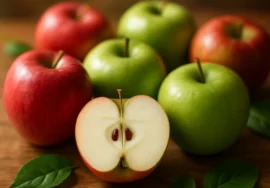
Washing fruits at home might seem simple, but doing it the right way can make all the difference—especially if you’re indulging in seasonal favorites like local strawberries near me, sweet black mulberry fruit, or the coveted amaou strawberry. Whether you’re prepping a fruity breakfast or making diy chocolate covered strawberries for Halloween, your first step should always be proper cleaning.
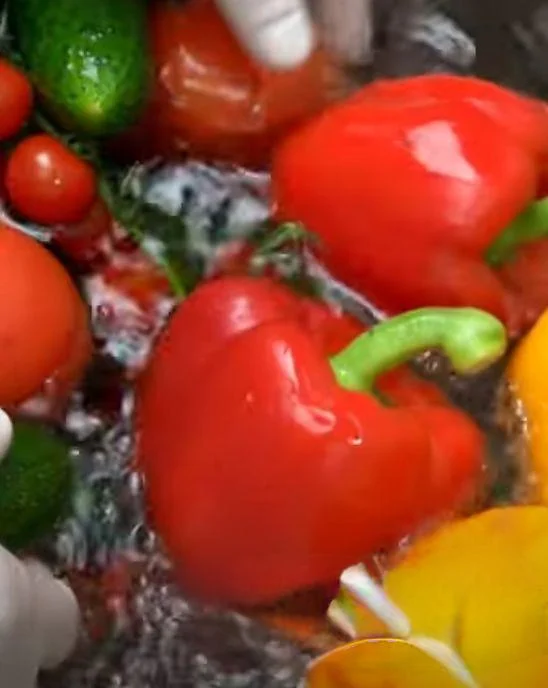
In this guide, we’ll show you exactly how to wash fruits at home naturally, safely, and effectively—plus a few secrets to extend freshness, boost nutrition, and keep your household safe (even if your dog ate one raisin).
Why Washing Fruit Matters (Yes, Even That Pint of Blueberries)
From blueberry ridge farms to sun maid growers, even fruits labeled organic can carry traces of dirt, pesticides, bacteria, or wax. Proper washing isn’t just about hygiene—it’s about protecting your health.
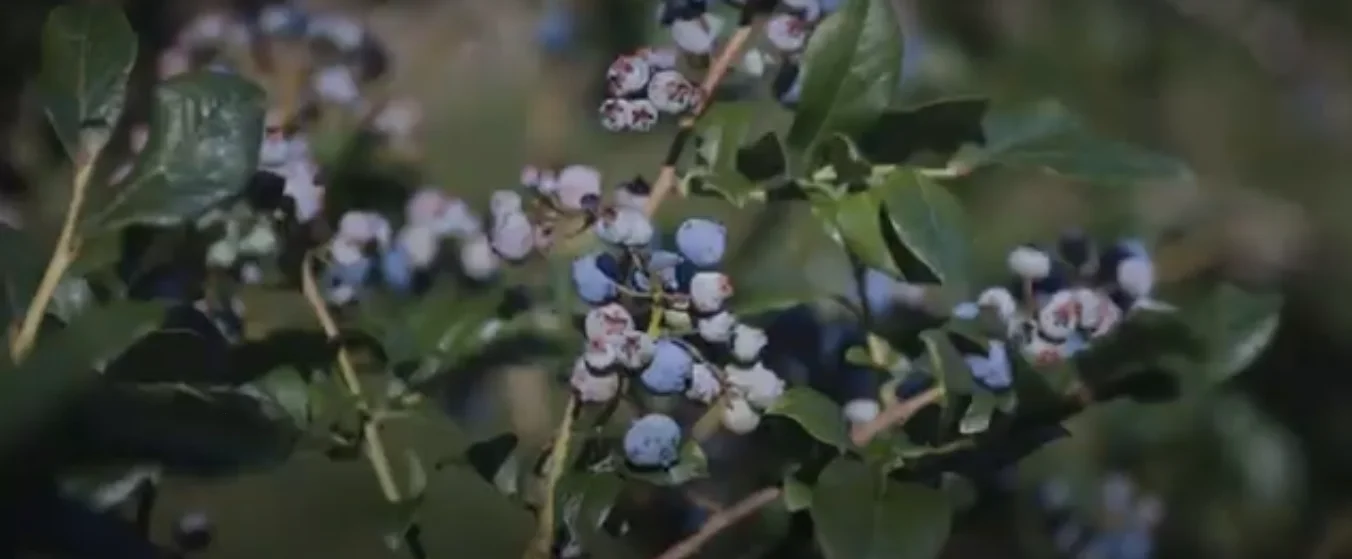
If you’ve ever picked your own at a pyo strawberries near me farm, or brought home a box of omakase strawberry, you know how fresh they are—but they still need a good rinse before you dig in.
The USDA’s Pesticide Data Program regularly tests produce and consistently finds detectable pesticide residue on a wide range of fruits, even after standard harvesting and packing processes — organic labeling reduces but doesn’t eliminate the need for washing, since organic farms can still use approved pesticides and produce still passes through shared handling equipment. Beyond pesticides, the CDC has linked several foodborne illness outbreaks to unwashed berries and produce contaminated during growing, harvesting, or transport by bacteria like E. coli and Listeria. Rinsing under running water has been shown in food safety research to physically remove a meaningful percentage of surface bacteria and residue, even without soap — which is why plain water, not dish soap, is the recommended method for produce.
How to Wash Fruits at Home – Step by Step
🍓 1. Sort and Inspect
Check your fruits for bruises, mold, or bad strawberries and bad blueberries. Discard any that look spoiled to prevent contamination.
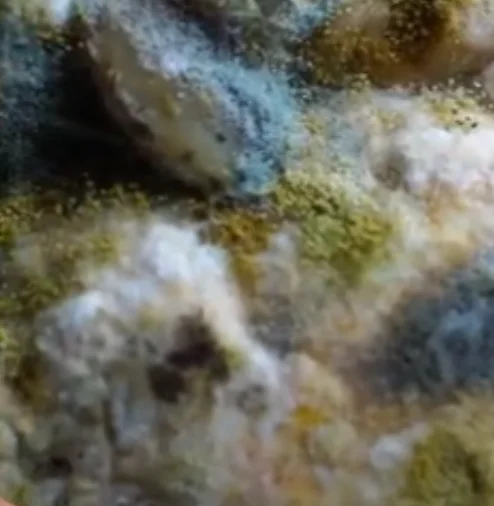
Examples to watch:
- Expired raisins
- Unripe blueberries
- Dried up raisins
- Blueberry and blackberry bruises
🍇 2. Rinse Under Cool Water
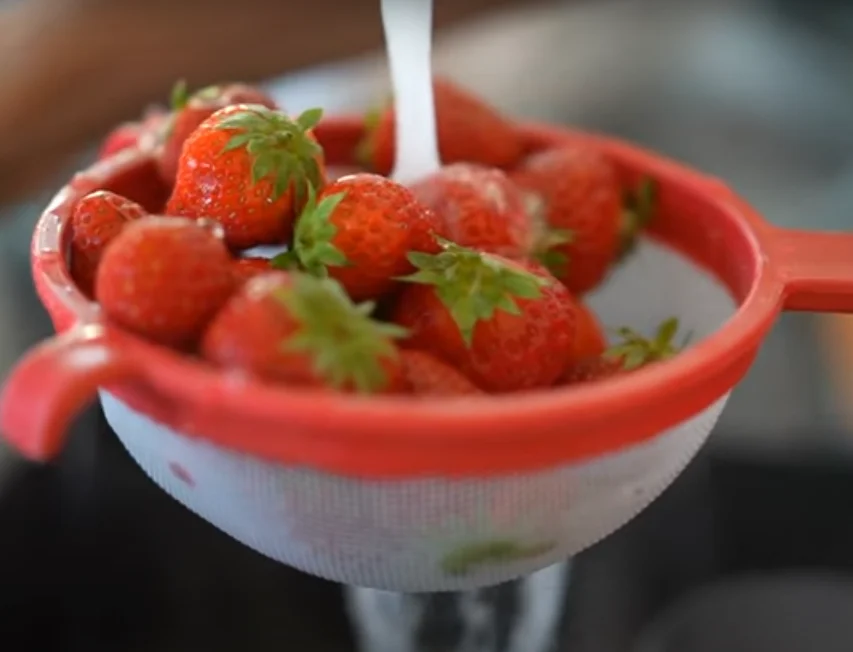
Use your hands to gently rub the fruit while rinsing under cold water. Avoid soap or bleach—they’re unsafe for food.
Best for:
- Strawberry grapes
- Thompson seedless raisins
- 100 grams of blueberries
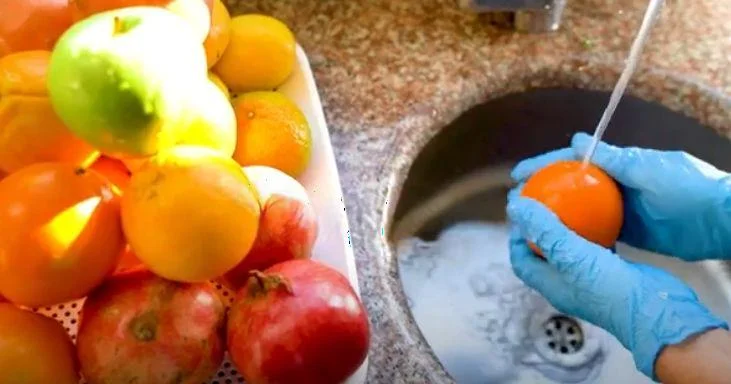
Soap and bleach are formulated to be rinsed off surfaces, not consumed, and even trace residue left on porous fruit skin — especially berries with their many tiny crevices — can cause stomach upset and strips away the fruit’s natural protective coating. Food safety researchers instead recommend simply rubbing fruit under cool running water for 20 to 30 seconds, which mechanically dislodges dirt and much of the surface bacteria without any added chemicals. For firmer fruits like apples or citrus, a soft produce brush adds extra mechanical cleaning power for textured skins.
🍋 3. Soak in a Natural Solution (Optional but Effective)
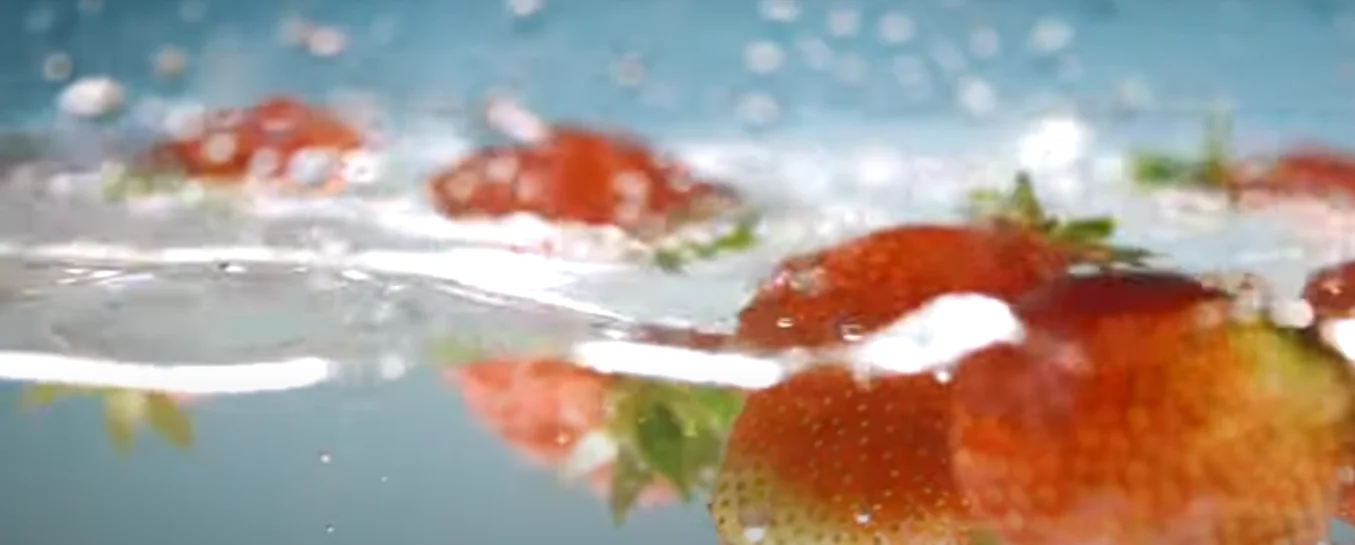
For extra cleansing, especially for store-bought or imported fruits like ozblu blueberries or golden sultanas, soak them in a mix of:
- 1 part vinegar
- 3 parts water
- A few drops of lemon juice
Let soak for 5–10 minutes before rinsing thoroughly.
Vinegar’s mild acidity has been studied for its ability to reduce surface bacteria on produce more effectively than water alone, and the lemon juice adds a further acidic boost while leaving a pleasant, mild scent instead of a vinegar smell. This soak is particularly useful for delicate berries, which have more surface area (and more nooks for bacteria to hide in) than smooth-skinned fruits. Always follow the soak with a thorough rinse under running water to wash away the vinegar solution itself before eating or storing the fruit.
🫐 4. Pat Dry with a Clean Towel
Moisture is the enemy of fruit longevity. Dry fruits before storing to prevent mold—especially if you’re freezing blueberries in ziplock bags or storing strawberries in mason jars.
Mold spores are everywhere in the air, and they need moisture to establish and spread — which is exactly why a damp berry left in a sealed container turns fuzzy within days while a thoroughly dried one lasts much longer. Food scientists recommend laying washed berries out on a clean towel or paper towel and letting them air dry for several minutes, or gently patting them, before transferring to storage. This single step is one of the most overlooked but highest-impact habits for extending the shelf life of washed produce.
Storage Hacks to Keep Fruit Fresh Longer
Once cleaned, you’ll want your fruits to stay fresher, longer. Here’s how:
✔ Store in Glass
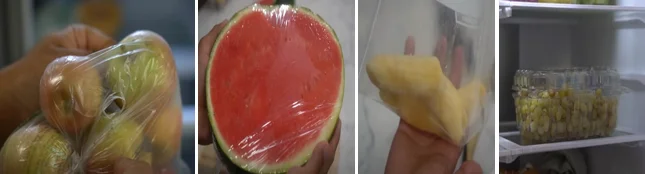
Try strawberries in glass jars or mason jars to reduce moisture buildup and extend shelf life. This method is perfect for infused strawberries or strawberry infused water.
✔ Freeze Like a Pro
Wash and dry thoroughly before freezing fresh blueberries or blueberries in ziplock bags. Label them with the date for easy tracking.
Glass containers, unlike plastic, don’t trap excess condensation the way plastic clamshells often do, which is a major contributor to premature mold growth in store-bought berry containers. For freezing, spreading washed and thoroughly dried berries on a tray in a single layer before transferring to a bag (a technique called flash-freezing) prevents them from clumping into one solid mass, making it much easier to pour out just the amount you need later. Properly dried and frozen berries typically retain good quality for 8 to 12 months in a standard freezer.
Fun Fruit Ideas That Start with a Clean Wash
Once your fruits are squeaky clean, the fun begins. Try these unique ideas:
- Make blueberry ketchup for burgers.

- Toss raisins and diabetes-friendly nuts into oatmeal.

- Create Halloween strawberries with dark chocolate drizzle.

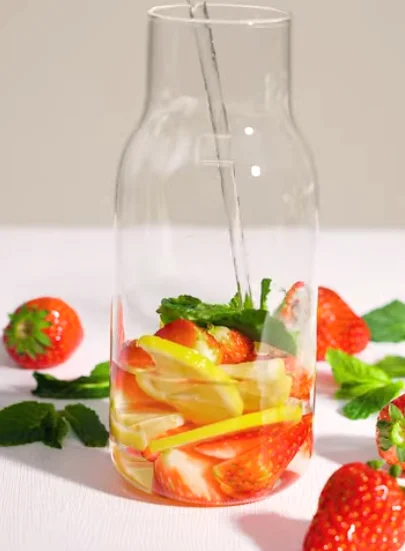
- Infuse very berry strawberry into lemon water.
- Stir up a blueberry crush smoothie with almond and raisins.

Got leftover fruit? Make raisin paste, blend blueberry apple sauce, or try a blueberry diet for weight loss.
Pet Safety Alert: Raisins and Dogs Don’t Mix
If your dog ate 1 raisin, call your vet immediately. Raisins—even small amounts—are toxic to dogs. Whether it’s raisin rye, grape raisin, or sun mad raisins, don’t risk it. Same goes for mulberry dogs—check with your vet before sharing.
The exact toxic compound in grapes and raisins that harms dogs is still not definitively identified by veterinary researchers, which is part of why there is no known “safe” amount — some dogs have developed acute kidney failure after eating just a few raisins, while others tolerate more without apparent symptoms, making the risk unpredictable from case to case. The ASPCA Animal Poison Control Center treats any grape or raisin ingestion in dogs as a genuine emergency requiring prompt veterinary attention, often including induced vomiting and monitoring of kidney function for the following 48 hours. Because symptoms of kidney damage can take a day or more to appear, waiting to see if the dog “seems fine” is not a safe approach — a call to the vet or an animal poison control hotline immediately after ingestion gives the best chance of preventing serious harm.
Mulberries, Blueberries, and Beyond
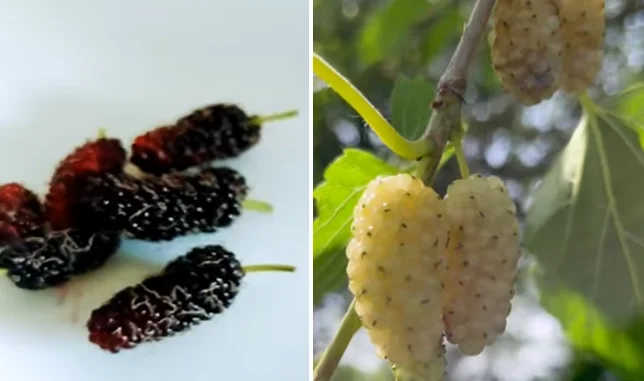
If you’ve never tried fresh mulberry fruit, white blueberries, or even blue acai, you’re missing out. These antioxidant-rich fruits support digestion and reduce inflammation.
Curious about solid starts blueberries for babies? Always wash thoroughly and introduce slowly, just like blueberries in pregnancy.
Local Fruit Finds & Foraging Favorites
Love that farm-fresh feel? Search for local strawberries, pyo blueberries near me, or take the kids mulberry picking near me in summer. At the end of the day, a clean, juicy berry is one of life’s simple pleasures.
Final Thoughts
Washing your fruits at home isn’t just a good habit—it’s your first step toward better health, food safety, and flavorful meals. From strawberry ginger floats to blueberry blintzes, clean produce elevates every dish.
Whether you’re experimenting with camposol blueberries, bayberry chinese, or adding revelton mulberry gin to cocktails, clean fruit is always in season.
So, before your next snack of a blueberry, a few dates and raisins, or a scoop of blueberry superfood yogurt—just rinse, soak, dry, and enjoy!
FAQs
How should I store blueberries after washing?
Dry them completely and keep in a sealed container or jar in the fridge. For long-term, try freezing.
Is it safe to eat strawberries without washing?
No. Always wash berries—even expensive strawberries like omakase berry—to remove pesticides and bacteria.
Can I wash raisins?
Raisins like sun maid growers or raisin types can be rinsed briefly, especially if using in baby food (solid starts raisins), but it’s not always necessary.
⚕️ Medical Disclaimer
The information provided on this page is for educational purposes only and is not intended as medical advice, diagnosis, or treatment. Always consult a qualified healthcare professional before making changes to your diet, starting any supplement, or if you have an existing medical condition. KeepFitQuote does not provide medical diagnoses or treatment recommendations. Read our full disclaimer.
Related Posts